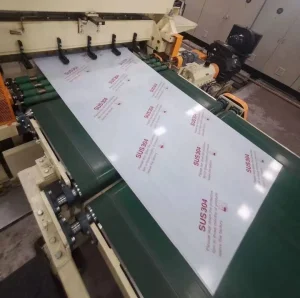
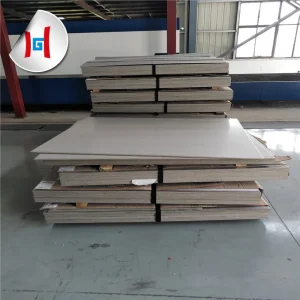
Engineered to meet strict Australian structural standards. Direct from ISO 9001 certified mills with complete chemical compliance and tracing.
To make the correct procurement decisions for industrial and structural applications in Brisbane, engineers and procurement managers must look past superficial designations and analyze the chemical profiles of Grade 304 (UNS S30400) and Grade 316 (UNS S31600).
The core structural difference lies in the alloying composition. While both are austenitic stainless steel grades containing substantial levels of Chromium and Nickel to establish a corrosion-resistant passivated chromium oxide layer, Grade 316 incorporates 2% to 3% Molybdenum (Mo).
Pitting Resistance Equivalent Number (PREN) Formula:
The standard metallurgical index to measure a steel grade's susceptibility to localized pitting in chloride environments is calculated as:
PREN = %Cr + 3.3(%Mo) + 16(%N)
Calculating this demonstrates that Grade 304 typically achieves a PREN value of approximately 18–20, whereas Grade 316 yields a value of 23–25, rendering Grade 316 substantially more resilient to chloride-induced localized stress cracking.
| Chemical Component (%) | Grade 304 (Austenitic) | Grade 316 (Austenitic) | Mechanical/Corrosion Implications |
|---|---|---|---|
| Chromium (Cr) | 18.0 - 20.0% | 16.0 - 18.0% | Forms the base chromium-oxide passivation film. |
| Nickel (Ni) | 8.0 - 10.5% | 10.0 - 14.0% | Stabilizes the FCC austenitic matrix, enhancing ductility. |
| Molybdenum (Mo) | 0% | 2.0 - 3.0% | Drastically reduces localized chloride pitting and crevice corrosion. |
| Carbon (C) | ≤ 0.08% | ≤ 0.08% | Determines weldability; "L" grades (≤ 0.03%) prevent carbide precipitation. |
| PREN Index | ~ 18 - 20 | ~ 23 - 25 | Critical metric for coastal environments and industrial runoff. |
South East Queensland presents a challenging micro-environment characterized by high humidity, coastal salt spray, and extreme sub-tropical solar radiation.
For structural developments in locations such as the Brisbane Riverwalk, Port of Brisbane, Wynnum, and coastal Redcliffe, atmospheric salinity represents a persistent structural threat. Mild grade 304 steel deployed outdoors in coastal areas within 5 kilometers of the shoreline is highly susceptible to "tea staining".
Tea staining is a cosmetic discoloration caused by the accumulation of salts and particulate pollutants on the metal surface under high relative humidity. While structural integrity may remain unaffected initially, it compromises aesthetic quality and heralds eventual pitting. Grade 316, combined with electropolishing or passivating surface treatments, represents the standard engineering countermeasure.
In Brisbane's industrial processing districts, such as Wacol, Coopers Plains, and Geebung, food manufacturing plants and chemical processing facilities require cleanable, high-hygiene surfaces. Clean-in-Place (CIP) systems that utilize acidic sanitation chemical solutions necessitate robust corrosion performance.
Grade 304 is highly cost-effective for standard storage vats, dry grain handling, and generic support components. However, for machinery dealing with highly acidic foods (such as tomatoes, citrus juices, or dairy processing utilizing chlorinated sanitizers), Grade 316L is non-negotiable to prevent internal stress-corrosion failures.
Ensuring cost-effective supply chain continuity for commercial construction requires leveraging Chinese technological advantages in manufacturing.
Chinese manufacturing plants leverage advanced raw material integration and economy of scale. This structural cost advantage translates directly to reduced pricing per ton, allowing Australian fabricators to buffer material expenses against fluctuating global markets.
Utilizing digital twin technologies, automated gauge control (AGC) systems, and on-line spectrographic validation ensures that thickness tolerance, mechanical tensile values, and grade compositions remain strictly within the margins designated by international standards.
Foshan's direct proximity to global shipping ports such as Guangzhou and Shenzhen enables optimized transit routes directly to the Port of Brisbane. This reduces transit latency and ensures consistent raw material buffer stocks for large infrastructure projects.
Direct factory-level supply chain partner providing premium structural and sheet metal configurations across global trade corridors.
Foshan Sandstorm Steel Co., Ltd. is a professional steel supplier dedicated to providing high-quality steel materials for construction, infrastructure, and industrial manufacturing. Located in Foshan, one of China’s major metal processing hubs, the company benefits from strong supply chains and advanced processing capabilities. With a commitment to strict quality control and reliable service, Foshan Sandstorm Steel focuses on delivering durable steel solutions that meet international standards and support diverse engineering and fabrication needs across global markets.
The company offers a comprehensive range of steel products, including Hot Rolled Steel Plate, Cold Rolled Steel Sheet, Galvanized Steel Sheet, Prepainted Steel Coil, and Corrugated Steel Sheet, widely used in building structures, roofing systems, and industrial equipment manufacturing. In addition, Foshan Sandstorm Steel supplies structural materials such as Structural Steel Beam, Steel H Beam, Steel I Beam, Steel Angle Bar, Steel Channel Section, and Steel Flat Bar, providing strong and stable support for construction and infrastructure projects.
To meet the needs of fabrication, mechanical engineering, and construction industries, the company also provides various steel pipe and section products including Steel Square Tube, Steel Rectangular Tube, Steel Round Pipe, Seamless Steel Pipe, and Welded Steel Pipe. Complementing these are advanced structural materials such as Cold Formed Steel Section and High Strength Structural Steel, designed to offer excellent load-bearing performance and durability. With competitive pricing, efficient logistics, and professional customer service, Foshan Sandstorm Steel Co., Ltd. continues to build long-term partnerships with distributors, contractors, and industrial clients worldwide.
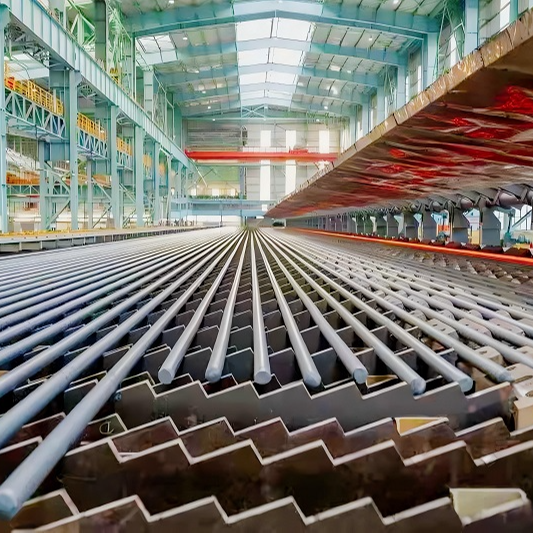
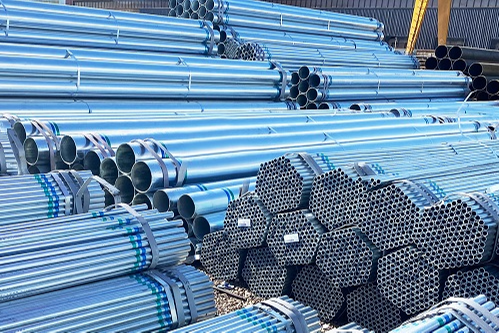
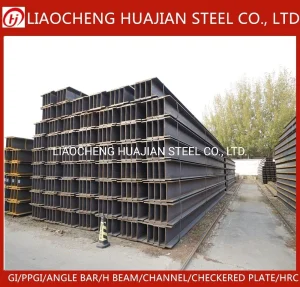
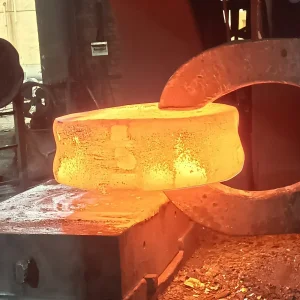
Specialized configurations of high-performance alloys and structural structural sections for heavy engineering in Queensland.
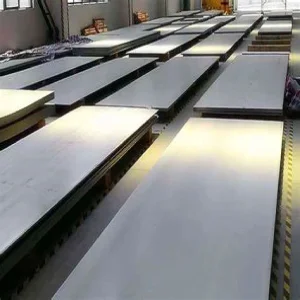
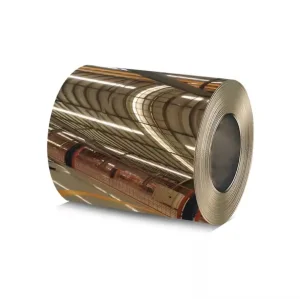
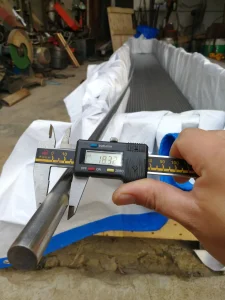
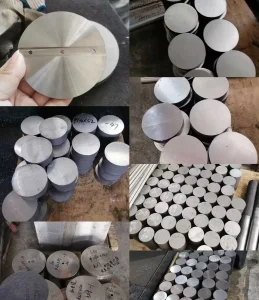
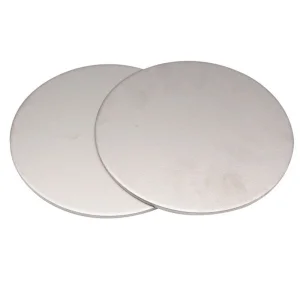
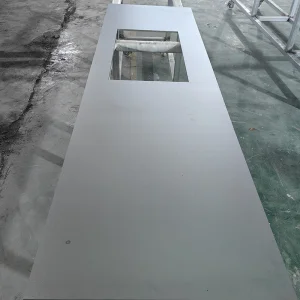
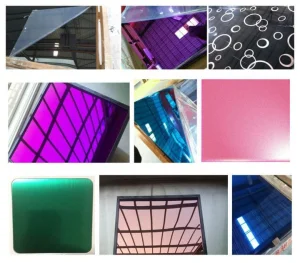
Extensive inventory covering specialized high-tensile bar stocks, mirror architectural surfaces, and precision round blanks.
A systematic procurement logic to optimize structural budgets while mitigating critical material failures.
| Application Environment | Recommended Grade | Metallurgical Justification |
|---|---|---|
| Within 5km of Brisbane coastlines (e.g., Redcliffe, Wynnum, Port of Brisbane) | Grade 316 | Mo addition prevents localized tea staining and marine aerosol pitting. |
| Interior commercial kitchens, range hoods, and food counters in CBD / Valley fitouts | Grade 304 | Cost-effective protection against standard humidity and organic acids. |
| Structural framing, beams, and structural channels located inland (e.g., Ipswich, Wacol) | Grade 304 | Minimizes structural procurement budget while providing adequate weather protection. |
| Industrial chemical storage tanks, wastewater treatment valves, and marine pipelines | Grade 316L | Ultra-low carbon content prevents intergranular corrosion during field welding (AS 1554.6). |
Strategic Sourcing Tip: Combining structural orders (e.g., sourcing H-beams, structural angles, and cold-rolled coils from a single manufacturer like Foshan Sandstorm Steel) consolidates oceanic shipping containers, optimizing container payload weights and lowering customs costs at the Port of Brisbane.
Targeted metallurgical and logistics answers to ensure compliance with Australian building codes.
Get in touch with Foshan Sandstorm Steel's technical sales engineering division to request custom price structures, dimensional profiles, and material test sheets for your Brisbane project.
 Sandstorm Steel