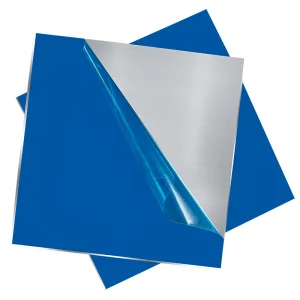
Precision-engineered structural steel, coated sheets, and custom metal fabrications

In modern industrial manufacturing and global structural engineering, the surface quality of metallic and structural components directly dictates operational longevity, environmental resistance, load-bearing integrity, and aesthetic value. OEM (Original Equipment Manufacturer) and ODM (Original Design Manufacturer) surface finishing techniques encompass a sophisticated spectrum of mechanical, chemical, electrochemical, and thermal modifications designed to optimize substrate performance under severe exposure.
Surface finishing is not merely a cosmetic final step; it is an intrinsic phase of materials science engineering. When structural steel, cold-formed profiles, or specialized stainless-steel alloys are deployed in marine, industrial, civil infrastructure, or heavy equipment environments, untreated surfaces are vulnerable to rapid atmospheric oxidation, galvanically induced pitting, micro-fracturing, and chemical erosion. Through targeted surface finishing techniques—ranging from hot-dip galvanization (HDG) and prepainted galvanized steel (PPGI) application to electropolishing, physical vapor deposition (PVD), and laser weld seam leveling—manufacturers can extend product lifespans exponentially.
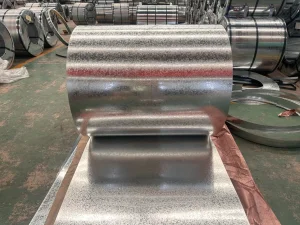
Sacrificial zinc coatings (Z20–Z275), passivation layers, and barrier coatings isolate metal substrates from corrosive humidity and salt spray exposure.
Refining surface roughness ($R_a$) minimizes mechanical wear, lowers drag friction, and prevents micro-fretting in sliding structural joints.
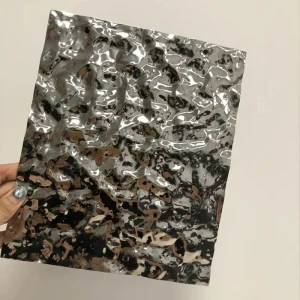
Water ripple mirror polishing, specific coil paint finishes, and custom textures deliver high-end architectural appeal for modern urban projects.
To select the optimal OEM/ODM process, structural engineers and global procurement managers must evaluate techniques according to substrate compatibility, environmental exposure class (C1 to C5-M under ISO 12944), mechanical tolerance, and total lifecycle costs.
Foshan Sandstorm Steel Co., Ltd. is a professional steel supplier dedicated to providing high-quality steel materials for construction, infrastructure, and industrial manufacturing. Located in Foshan, one of China’s major metal processing hubs, the company benefits from strong supply chains and advanced processing capabilities. With a commitment to strict quality control and reliable service, Foshan Sandstorm Steel focuses on delivering durable steel solutions that meet international standards and support diverse engineering and fabrication needs across global markets.
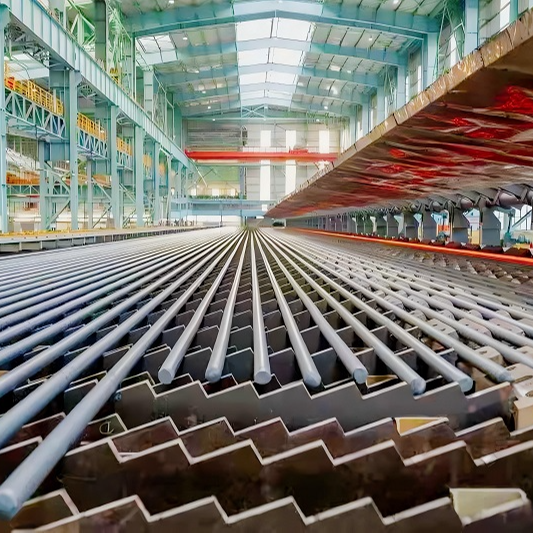
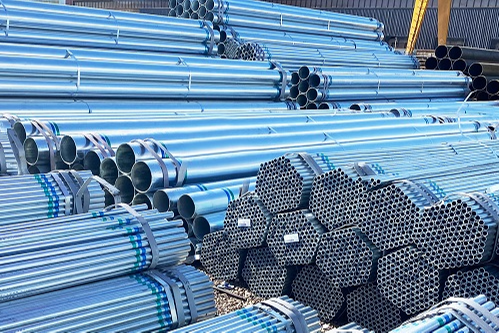
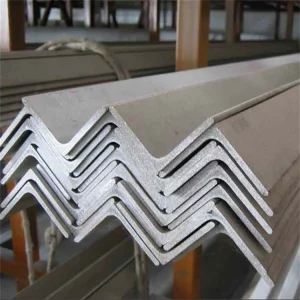
The company offers a comprehensive range of steel products, including Hot Rolled Steel Plate, Cold Rolled Steel Sheet, Galvanized Steel Sheet, Prepainted Steel Coil, and Corrugated Steel Sheet, widely used in building structures, roofing systems, and industrial equipment manufacturing. In addition, Foshan Sandstorm Steel supplies structural materials such as Structural Steel Beam, Steel H Beam, Steel I Beam, Steel Angle Bar, Steel Channel Section, and Steel Flat Bar, providing strong and stable support for construction and infrastructure projects.
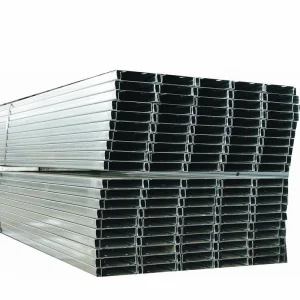
To meet the needs of fabrication, mechanical engineering, and construction industries, the company also provides various steel pipe and section products including Steel Square Tube, Steel Rectangular Tube, Steel Round Pipe, Seamless Steel Pipe, and Welded Steel Pipe. Complementing these are advanced structural materials such as Cold Formed Steel Section and High Strength Structural Steel, designed to offer excellent load-bearing performance and durability. With competitive pricing, efficient logistics, and professional customer service, Foshan Sandstorm Steel Co., Ltd. continues to build long-term partnerships with distributors, contractors, and industrial clients worldwide.
When specifying metallic components for OEM/ODM integration, selecting the appropriate finishing technique dictates both initial capital expenditure and downstream lifecycle maintenance. The matrix below outlines technical performance parameters across core industrial finishing options:
| Finishing Technique | Primary Substrate | Coating Thickness Range | Salt Spray Corrosion Resistance (ASTM B117) | Primary Industrial Application |
|---|---|---|---|---|
| Hot-Dip Galvanizing (HDG) | Carbon Steel, Angle Bars, H-Beams | 45 µm – 120 µm (Z20 to Z275) | 500 to 1,500+ Hours | Civil Infrastructure, Structural Purlins, Outdoor Frames |
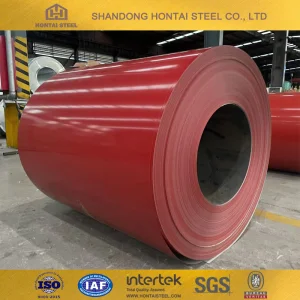
| Prepainted Galvanized Steel (PPGI) | GI Steel Sheet, Cold Rolled Coil | 15 µm – 35 µm Topcoat | 720 to 1,200 Hours | Roofing Systems, Architectural Cladding, Appliances |
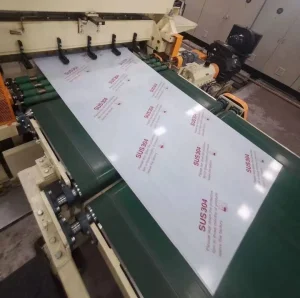
| Stainless Steel Electropolishing | 304, 316 Grade Stainless Steel | Micro-removal (5 µm – 20 µm) | 2,000+ Hours (Passive Layer) | Pharmaceutical, Food Processing, Marine Hardware |
| Water Ripple 8K Mirror Polishing | Stainless Steel Sheets (0.5mm - 3.0mm) | N/A (Mechanical Refinement) | Depends on Base Alloy (304/316) | Architectural Interior/Exterior Panels, Façade Art |
| Weld Seam Leveling & Passivation | Welded Pipes, Fabricated Frame Sections | Flush Surface Leveling | Restores Base Alloy Resistance | Robotic Machinery, Pressure Vessels, Structural Frames |
During hot-dip galvanizing of structural steel beams, angle bars, and channels, the reaction between iron and molten zinc forms intermetallic Fe-Zn crystal phases. The Zeta phase ($\text{FeZn}_{13}$) and Delta phase ($\text{FeZn}_7$) provide high micro-hardness, often exceeding the hardness of the base steel itself. This gives outstanding resistance to mechanical abrasion during transit and site installation.
Continuous prepainted steel coil lines utilize multi-stage baking ovens where prime coats (epoxy or polyurethane) and topcoats (silicone-modified polyester or PVDF) undergo cross-linking at peak metal temperatures (PMT) ranging from $216^\circ\text{C}$ to $249^\circ\text{C}$. PVDF coatings, featuring fluorocarbon bonds ($\text{C-F}$), deliver unmatched UV radiation resistance, preventing chalking and color degradation over 25+ year cycles in high-solar-irradiance zones.
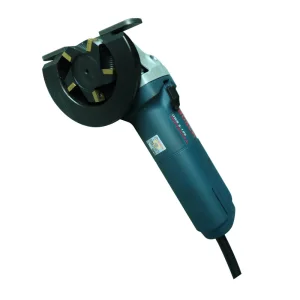
Welded structural assemblies (such as square tubes, rectangular pipes, and specialized machinery beds) undergo severe microstructural distortion along the Heat-Affected Zone (HAZ). Advanced portable weld seam cleaning and leveling equipment restores geometrical planarity and removes surface oxidation scale. Subsequent acid passivation or spot galvanizing prevents preferential localized corrosion along the seam joint.
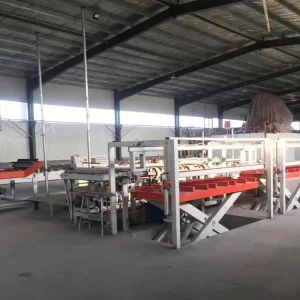
Global procurement executives facing strict project deadlines and strict quality standards benefit significantly from sourcing through established metallurgical hubs. Foshan, located in Guangdong Province, China, represents one of the world's most dense concentrations of advanced metal processing, roll-forming, electroplating, and surface finishing infrastructure.
Direct proximity between raw steel melting, hot-rolling mills, cold-slitting operations, and specialized surface treating plants dramatically reduces internal transit logistics and lead times.
Flexible tooling allows rapid custom fabrication—from non-standard C/Z purlin punch patterns to specific color matching (RAL codes) on continuous PPGI roofing coil production lines.
Foshan manufacturers like Sandstorm Steel employ ultrasonic flaw detection, magnetic coating thickness gauges, and chemical spectro-analysis to verify contract specifications.
Global engineering contractors demand strict adherence to international material specifications. When sourcing structural beams, seamless steel pipes, or galvanized sheet components, materials must comply with standards such as ASTM A123/A123M for zinc coatings, EN 10346 for continuously hot-dip coated steel flat products, and JIS G3302 for galvanized iron sheets.
Furthermore, environmental compliance under REACH (Registration, Evaluation, Authorisation and Restriction of Chemicals) and RoHS (Restriction of Hazardous Substances) is essential. Modern processing plants in Foshan have transitioned to trivalent chromium ($\text{Cr}^{3+}$) passivators and heavy-metal-free paint formulations, ensuring seamless importation into North American, European, and Asia-Pacific jurisdictions.
The global metal surface finishing industry is undergoing a significant transformation driven by automation, digital quality tracking, and stringent decarbonization mandates. OEM/ODM manufacturers are rapidly incorporating next-generation methodologies to enhance precision while reducing energy consumption.
Robotic rollover systems and automated surface grinding equipment utilize multi-axis force-torque feedback sensors to maintain uniform pressure across complex geometry steel fabrications. This eliminates human error, guarantees uniform surface roughness ($R_a$), and ensures consistent coating adhesion across high-volume production runs.
Replacing traditional hexavalent chromate pretreatments, nano-silane functional coatings form ultra-thin, self-assembling molecular monolayers on zinc and aluminum substrates. This technology offers high corrosion protection while complying with global zero-VOC (Volatile Organic Compounds) regulations.
Smart coating lines now leverage optical laser sensors and digital twins to measure wet-film and dry-film thicknesses in real time. Dynamic feedback loops automatically adjust doctor blades and roll speeds in PPGI production, minimizing thickness variations to within $\pm 1\,\mu\text{m}$.
Surface finishing requirements vary significantly depending on micro-climate conditions and structural demands. Below are representative engineering implementations:
Structural H-beams and 316 marine-grade stainless steel coils deployed in ocean dock facilities require high-build hot-dip galvanizing ($>85\,\mu\text{m}$) or electropolishing to prevent chloride-induced stress corrosion cracking.
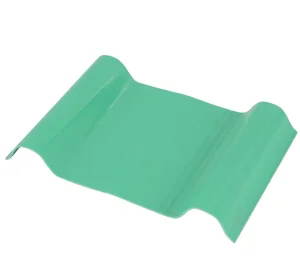
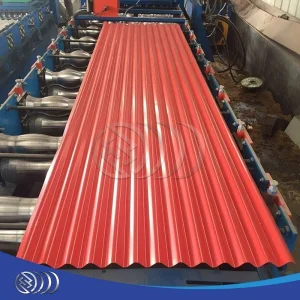
High-rise developments in tropical climates utilize PPGI corrugated sheets with PVDF topcoats to reflect solar heat, reduce building HVAC loads, and prevent color fading under high UV exposure.
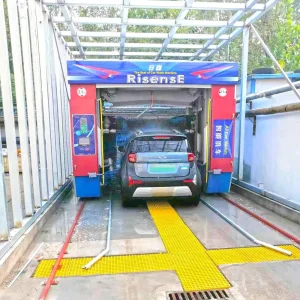
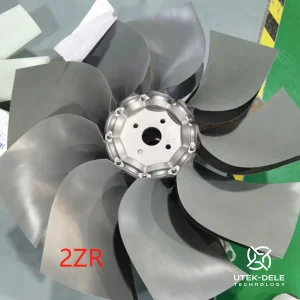
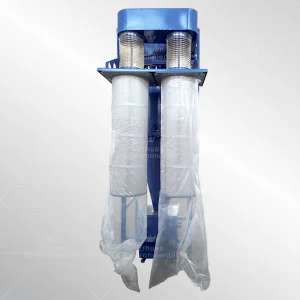
Dust purification systems and engine cooling axial fans require smooth, powder-coated or galvanized structural frames to prevent particulate accumulation and abrasion-induced surface loss.
"Z20" and "Z275" denote total zinc coating mass on both sides of the steel sheet, measured in grams per square meter ($\text{g/m}^2$). Z20 ($20\,\text{g/m}^2$) provides light protection suitable for unexposed indoor applications, while Z275 ($275\,\text{g/m}^2$, approximately $20\,\mu\text{m}$ per side) offers robust outdoor weather resistance for roofing and heavy structural purlins.
Grade 316 contains 2% to 3% Molybdenum, which significantly increases its Pitting Resistance Equivalent Number (PREN) compared to Grade 304. This chemical modification makes 316 highly resistant to chloride pitting and crevice corrosion in seawater and coastal industrial environments.
Yes. Advanced continuous prepainting lines (PPGI/PPGL) can formulate topcoats to match any standard RAL, Pantone, or custom customer color sample, while maintaining target film thickness, gloss level, and cross-hatch adhesion specs (ASTM D3359 Class 4B/5B).
Unconditioned weld beads introduce geometric irregularities, micro-spatter, and residual stress concentrations. Mechanical leveling creates a flush surface, ensuring even coverage during electroplating or powder coating and preventing premature coating failure along the seam.
Leading exporters in Foshan adhere to ISO 9001:2015 Quality Management Systems, ISO 14001 Environmental Standards, and supply Mill Test Certificates (MTC) conforming to EN 10204 3.1, verifying chemistry, mechanical tensile limits, and coating weights.
Polished sheets and premium coils are coated with protective PE or laser-compatible PVC films (50 to 100 microns thick), interleaved with anti-moisture paper, and secured in seaworthy wooden crates with desiccant packs to prevent transit corrosion or scratching.
High-durability structural sections, specialized alloy coils, and surface-treated sheets
 Sandstorm Steel