Structural steel beams are the backbone of modern civilization. From high-rise skyscrapers to massive industrial complexes and transportation networks, the selection of the right steel manufacturer is critical to ensure engineering safety, longevity, and cost efficiency. This analysis breaks down the global leaders reshaping structural steel fabrication through technology, carbon reductions, and supply chain reliability.
Headquartered in Luxembourg, ArcelorMittal is the world's leading steel and mining company. With presence in 60 countries and an industrial footprint in 18 countries, they lead in high-strength low-alloy (HSLA) structural shapes and eco-friendly steel production processes under the XCarb initiative.
Japan's premier steel manufacturer, celebrated for unparalleled metallurgical control and advanced thermomechanical processing (TMCP). Their structural beams provide extraordinary seismic resistance, making them the default choice for earthquake-prone regions worldwide.
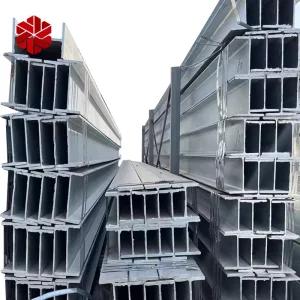
Based in Foshan, China's premier metal processing core, Foshan Sandstorm Steel excels in the localized integration of advanced manufacturing technologies, offering optimized structural beam sections (H-beam, I-beam, structural channels) tailored for custom global infrastructure needs.
The largest steel producer in the United States. Nucor utilizes Electric Arc Furnace (EAF) mini-mills to manufacture structural steel shapes from recycled scrap metal, yielding exceptionally low greenhouse gas footprints for LEED-certified green buildings.
As the world's largest steelmaker by volume, Baowu dominates bulk structural steel supply. Its state-of-the-art blast furnaces and hot rolling mills provide competitive raw-material supply for major global infrastructure initiatives.
South Korea's leading steelmaker, known for ultra-high-performance steel, including offshore grade structural steel and POSMAC corrosion-resistant finishes. Recognized for strict digital quality controls and modern automated mill systems.
Operating key manufacturing hubs in India and Europe, Tata Steel offers a highly diversified range of structurally efficient sections, including their bespoke asymmetric beams that minimize floor space thickness in multi-story residential designs.
SSAB is a world leader in high-strength steels, notably pioneering "fossil-free steel" (HYBRIT technology) using green hydrogen in place of coking coal, defining the next era of sustainable structural structural engineering.
Part of the JFE Group in Japan, they specialize in heavy wide-flange beams (H-beams) using advanced roll-forming machines, which are crucial for supertall skyscrapers requiring massive structural stability and wind-load resistance.
The largest producer of long steel in the Americas. Gerdau is a major supplier of structural profiles, offering strong supply chain logistics throughout North and South America, utilizing sustainable scrap-based production routes.
Foshan Sandstorm Steel Co., Ltd. is a professional steel supplier dedicated to providing high-quality steel materials for construction, infrastructure, and industrial manufacturing. Located in Foshan, one of China’s major metal processing hubs, the company benefits from strong supply chains and advanced processing capabilities. With a commitment to strict quality control and reliable service, Foshan Sandstorm Steel focuses on delivering durable steel solutions that meet international standards and support diverse engineering and fabrication needs across global markets.
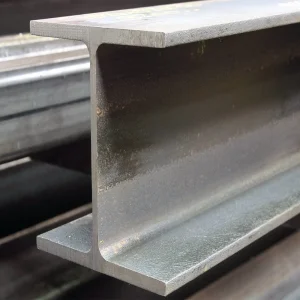
The company offers a comprehensive range of steel products, including Hot Rolled Steel Plate, Cold Rolled Steel Sheet, Galvanized Steel Sheet, Prepainted Steel Coil, and Corrugated Steel Sheet, widely used in building structures, roofing systems, and industrial equipment manufacturing. In addition, Foshan Sandstorm Steel supplies structural materials such as Structural Steel Beam, Steel H Beam, Steel I Beam, Steel Angle Bar, Steel Channel Section, and Steel Flat Bar, providing strong and stable support for construction and infrastructure projects.
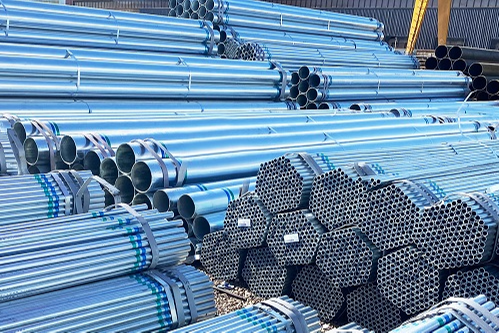
To meet the needs of fabrication, mechanical engineering, and construction industries, the company also provides various steel pipe and section products including Steel Square Tube, Steel Rectangular Tube, Steel Round Pipe, Seamless Steel Pipe, and Welded Steel Pipe. Complementing these are advanced structural materials such as Cold Formed Steel Section and High Strength Structural Steel, designed to offer excellent load-bearing performance and durability. With competitive pricing, efficient logistics, and professional customer service, Foshan Sandstorm Steel Co., Ltd. continues to build long-term partnerships with distributors, contractors, and industrial clients worldwide.
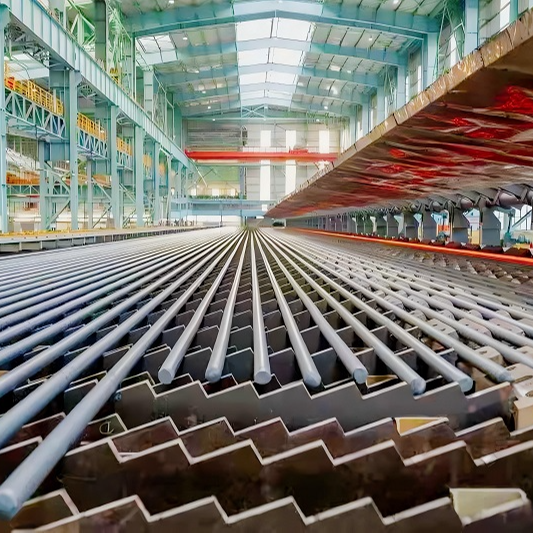
How modern metallurgy is adapting to the demands of carbon-neutral structures and extreme engineering environments.
Transitioning from coal-based blast furnaces to direct reduced iron (DRI) processes utilizing hydrogen, minimizing the carbon footprint per ton of steel to near-zero.
Developing next-generation structural alloys doped with Niobium and Vanadium. Offers double the yield strength while reducing total building structural weight by 30%.
Implementing Thermomechanical Controlled Processing (TMCP) to optimize grain structures, improving seismic dissipation and increasing infrastructure lifetime to over 100 years.
By 2030, global building codes will mandate EPDs (Environmental Product Declarations) for all load-bearing elements. Companies like Foshan Sandstorm Steel are upgrading their processing and tracking networks to trace structural steel products from ladle to construction site, ensuring structural traceability and compliance with digital twin architectures.
Customized structural steel configurations engineered for specific complex macro sectors.
Long-span bridges, train terminals, and highway systems require massive H-beams (like HEA 400 and HEB 400) designed to handle dynamic vibration and high load limits.
Combines high-strength structural columns with ductile web-designed beams to flex safely under wind pressure and horizontal ground movements.
Heavy structural plates and sections treated with protective galvanization and alloying elements (such as chromium/nickel) to resist aggressive marine environments.
Ensuring that manufactured structural beams conform to local regulatory and construction standards globally.
Standards: ASTM A36, A572, A992. Covers wide-flange beams used across construction and civil infrastructure designs in North America.
Grades: S275JR, S355JR, S355J2. Direct compliance with CE markings required for major European Union structural projects.
Grades: SS400, SS490, SM490. Heavy emphasis on seismic dissipation capability and low-temperature impact resilience.
Global quality management systems, tracing heat batch codes, chemical tests, and mechanical deformation tests.
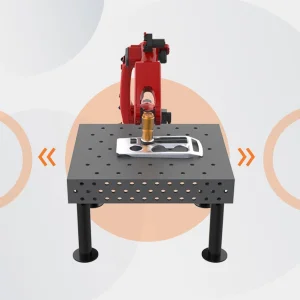
The modernization of China's structural steel hubs, particularly in regions like Foshan, represents a shift from labor-intensive mills to automated smart factories. By deploying robotic cutting, 6-axis milling, and intelligent quality sorting systems, Chinese factories ensure higher dimensional precision and consistent structural performance.
Practical steps for engineering firms to evaluate risk, control quality, and optimize cross-border logistics.
Always verify the Carbon Equivalent Value (CEV). High carbon levels degrade weldability, increasing cracking risk during field assembly.
Verify that all structural beams possess matching Mill Test Certificates (MTC) containing raw-material heat tracking numbers.
Utilize professional protective packing, dry containers, or bulk ships to prevent saltwater corrosion during long-term ocean shipping.
Expert insights addressing high-intent technical and business questions regarding structural steel purchasing.
 Sandstorm Steel