China Wholesale Sanitary Finishing Factory & Suppliers

Next-Generation Surface Metrology, Ultra-Pure Processing Metallurgy, and Precision Mechanical Polishing Components for High-Integrity Global Industrial Infrastructures

1. Executive Deep Dive: The Global Sanitary Finishing Landscape

In modern high-purity processing sectors, surface finishing transcends basic aesthetics to become a mission-critical parameter. The global market for sanitary surface treatments is undergoing a profound paradigm shift. Industrial facilities now evaluate surfaces based on microscopic topography rather than visual luster. In fields like biopharmaceuticals, ultra-pure chemicals, semiconductor fabrication, and advanced food processing, sub-micron roughness management determines process integrity.

Unrefined material profiles harbor microscopic valleys and structural crevices. These surface anomalies create shelter for micro-bacterial colonies, particulate cross-contamination, and resilient biofilms that easily survive standard Clean-in-Place (CIP) thermal flushes. By deploying systematic abrasive grading, electropolishing, and automated passivation, advanced manufacturing installations drive down surface roughness parameters ($R_a$, $R_z$, and $R_{max}$) to flawless thresholds ($R_a < 0.38\,\mu\text{m}$ or $15\,\mu\text{in}$). This strict control mitigates cross-contamination hazards, optimizes fluid dynamics, and suppresses boundary-layer friction in high-velocity pump circuits.

<0.38µm
Target Ra Surface Roughness
100%
Biofilm Prevention Rate
316L / 304
Core Metallurgical Grades
ASME BPE
Global Standard Alignment

Geographically, procurement models have moved beyond regional sourcing to embrace highly consolidated, technologically advanced manufacturing corridors in China. Modern wholesale sanitary finishing entities no longer function as mere mechanical polishing shops. Instead, they operate as fully integrated metallurgical and metrology complexes, leveraging advanced industrial automation to deliver certified, scalable surface treatments that align with stringent international regulatory frameworks.

2. Strategic Supply Chain Integration: Foshan Sandstorm Steel Co., Ltd.

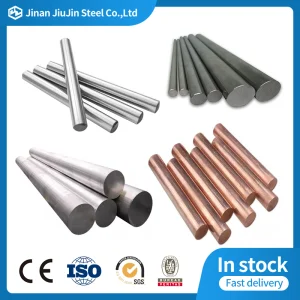
Positioned within Foshan, one of China's premier metallurgical and metal processing hubs, Foshan Sandstorm Steel Co., Ltd. stands as an industry-leading steel material supplier. The enterprise supports complex construction, heavy infrastructure, and specialized industrial manufacturing by delivering high-grade structural alloys and processing substrates. These materials provide the essential foundation for subsequent ultra-precise sanitary surface modifications.
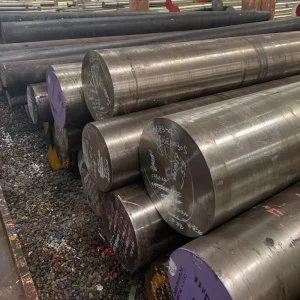
Foshan Sandstorm Steel Corporate Facility and Premium Stockpile Operations

The company maintains a comprehensive logistical network and deep processing capabilities to supply key foundational materials. Their portfolio features high-performance raw stock, including Hot Rolled Steel Plate, Cold Rolled Steel Sheet, Galvanized Steel Sheet, Prepainted Steel Coil, and Corrugated Steel Sheet. These materials form the bedrock for robust building frameworks, advanced roofing systems, and heavy industrial vessel hulls.

To support high-load engineering projects, Foshan Sandstorm Steel also delivers critical structural profiles, including Structural Steel Beam, Steel H Beam, Steel I Beam, Steel Angle Bar, Steel Channel Section, and Steel Flat Bar. These profiles undergo strict testing to ensure structural integrity across commercial and civil works.
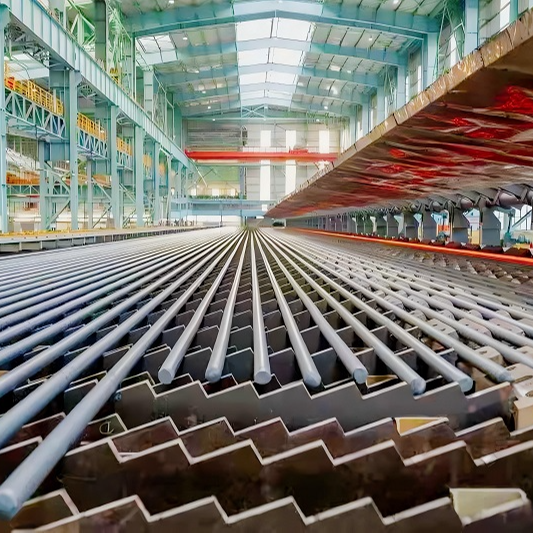
Industrial Metal Profiling and Precision Structural Beam Manufacturing Line

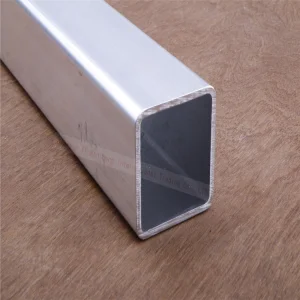
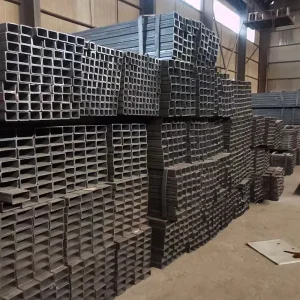
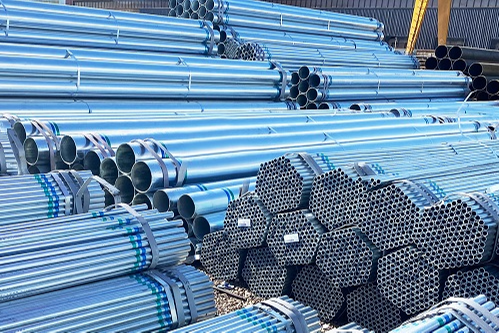
Addressing the stringent requirements of modern fluid dynamics, mechanical fabrication, and high-load architecture, the company offers a robust selection of hollow sections and precision pipes. Their inventory includes Steel Square Tube, Steel Rectangular Tube, Steel Round Pipe, Seamless Steel Pipe, and Welded Steel Pipe. Engineered alongside advanced Cold Formed Steel Section profiles and High Strength Structural Steel, these elements provide excellent load-bearing characteristics, uniform wall thicknesses, and high yield strength. Through competitive pricing structures, streamlined global logistics, and responsive customer service, Foshan Sandstorm Steel Co., Ltd. maintains long-term partnerships with distributors, industrial contractors, and specialized fabrication plants worldwide.

Strategic Cohesion Note: While Foshan Sandstorm Steel provides the structural framework and premium raw alloy substrates, the downstream sanitary finishing sector transforms these profiles into components optimized for ultra-clean cleanroom environments. This transition creates a complete, reliable end-to-end industrial supply chain.

3. Industrial Progress & Global Technology Roadmap

To stay ahead of global competition, leading manufacturers rely on a defined technology roadmap. This model replaces manual grinding operations with high-efficiency, multi-stage automated surface conditioning processes.

Phase 1: Precision Robotic Mechanical Abrasive Calibration
Multi-axis robotic cells manage contact force and tool path trajectories while deploying advanced zirconium and silicon carbide sanding belts to eliminate surface defects, mill scales, and subsurface micro-cracks.
Phase 2: Ultra-Fine Non-Woven Textile Buffing & Compounding
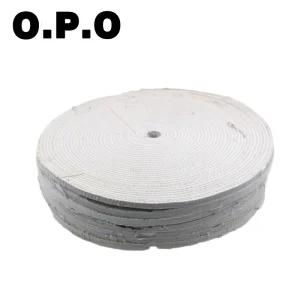
High-speed automated cotton wheels apply targeted polishing compounds to refine the micro-peaks of the steel substrate, bringing the material to a highly reflective mirror finish with low frictional resistance.
Phase 3: High-Purity Micro-Electropolishing & Anodic Levelling
Using a temperature-controlled phosphoric and sulfuric acid electrolyte bath, selective anodic dissolution removes micro-protrusions. This process optimizes the chromium-to-iron ratio on the surface layer, enhancing chemical passivation.
Phase 4: Advanced Laser-Induced Metrology Verification
In-line white-light interferometers and digital surface roughness meters run non-destructive 3D topography scans. These metrics are recorded directly into the component's QA passport to ensure full compliance with ASME BPE standards.

This automated approach prevents uneven finishes and surface variations common to manual processes. It ensures uniform structural integrity and reliable performance across entire production batches.

4. Cross-Sector Solutions & Local Application Contexts

Sanitary surface modifications must adapt to different regulatory and environmental requirements depending on the target industry and geographic region:

Biopharmaceutical Cleanrooms

Requires strict compliance with ASME BPE standards. Surface profiles must hit $R_a \le 0.38\,\mu\text{m}$ through electropolishing to ensure thorough cleanability and prevent product cross-contamination.

Food & High-Acid Beverage Processing

Aligns with 3-A Sanitary and EHEDG standards. Surfaces emphasize easy-to-clean profiles that prevent pitting and stand up to harsh, cyclic Clean-in-Place (CIP) sanitization chemicals.

Marine & Extreme Petrochemical Refining

Focuses on long-term corrosion resistance. Combines robust alloy selection with specialized pickling and passivation to minimize crevice corrosion in high-salinity and acidic environments.

Regional environmental regulations also dictate production practices. European installations demand full REACH and RoHS alignment, excluding hexavalent chromium chemistry from passivation lines. North American operations focus on FDA CFR Title 21 compliance for polymer seals and metal components, requiring clean, non-toxic manufacturing workflows. Chinese suppliers meet these demands by implementing zero-discharge wastewater recycling and eco-friendly citric-acid passivation processes.

5. Deep Technical Q&A (FAQ) - Engineered Insights

What exact surface roughness parameters define a certified "sanitary finish"?
Under global standards such as ASME BPE and 3-A Sanitary Guidelines, a true sanitary finish requires a micro-topography where the Arithmetical Average Roughness ($R_a$) does not exceed $0.38\,\mu\text{m}$ ($15\,\mu\text{in}$) for direct fluid-contact boundaries, and $0.80\,\mu\text{m}$ ($32\,\mu\text{in}$) for non-contact structural elements. More critically, advanced applications require monitoring the peak-to-valley profile height ($R_z$) and the maximum defect depth ($R_{max}$). These metrics ensure that no micro-crevices exist to shield single-cell bacteria or resist typical fluid shear forces during automated Clean-in-Place cycles.
Why is electropolishing preferred over standard mechanical abrasive buffing?
While mechanical buffing with components like premium cotton wheels and abrasive belts smooths down macro-protrusions, it can smear surface metal, entrap microscopic polishing abrasives, and induce cold-working stresses. In contrast, electropolishing uses a targeted electrochemical bath to dissolve micro-peaks across the metal surface. This process eliminates structural stress, removes embedded free iron, and enriches the chromium layer relative to iron. The result is a smooth, high-purity passive skin that offers exceptional resistance to pitting and corrosion.
How does the chemical composition of 316L stainless steel benefit sanitary fluid applications compared to 304?
Stainless steel grade 316L contains 2.0% to 3.0% Molybdenum, an alloying element missing from standard 304. Molybdenum increases resistance to chloride-induced pitting, localized crevice corrosion, and organic acid degradation. Additionally, the lower carbon specification of 316L ($\le 0.030\%$) prevents chromium carbide precipitation during welding. This preserves corrosion resistance along heat-affected zones in complex, welded sanitary piping networks.
What metrological tools are used to verify compliance across batch shipments?
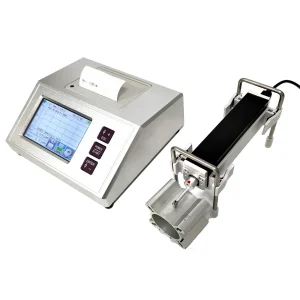
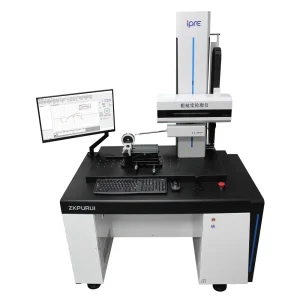
Every production run undergoes strict quality checks using a digital surface roughness tester gauge with integrated printing features. These high-precision instruments use diamond-tipped styluses or non-contact optical lasers to record multi-directional tracing patterns across the treated surfaces. The data is checked against international ISO, DIN, ANSI, and JIS standards. Certified documentation, including Material Test Reports (MTRs) and surface topography graphs, is delivered with every bulk shipment to ensure full product traceability.
How do you choose between Zirconium, Aluminum Oxide, and Silicon Carbide sanding belts?
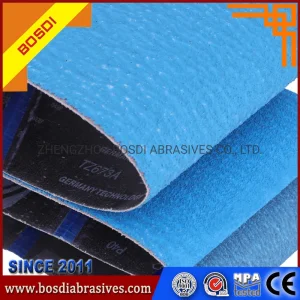
The choice depends on the material grade and the stage of surface processing. Zirconium belts offer a durable, self-sharpening design ideal for high-pressure stock removal and grinding down tough welds on heavy stainless steel structures. Aluminum Oxide is used for intermediate blending and general refinement across various alloy grades. Silicon Carbide features sharp, friable grains that fracture under load to create clean, sharp cutting edges. This makes it ideal for achieving fine, consistent finishes during the final stages of sanitary preparation.
What measures protect polished sanitary components from damage during ocean transit?
To prevent scuffs, scratches, and atmospheric salt-water corrosion during transit, all finished components receive comprehensive protective packaging. Polished surfaces are wrapped in heavy-gauge, UV-stabilized polyethylene peel-off film. Ends are sealed with fitted plastic caps to keep out dust and moisture, and items are packed into reinforced, ISPM-15 compliant wooden crates line with moisture barrier material. Desiccant packs are distributed throughout the enclosure to manage internal humidity and prevent oxidation during long sea transits.
Can custom industrial geometries be modified under OEM procurement terms?
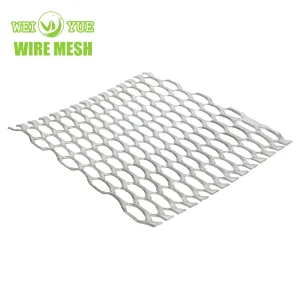
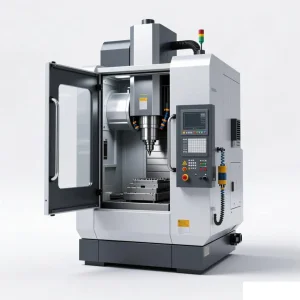
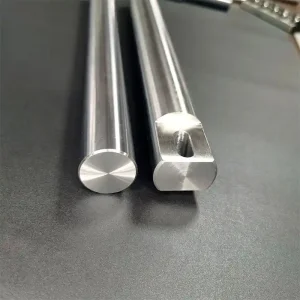
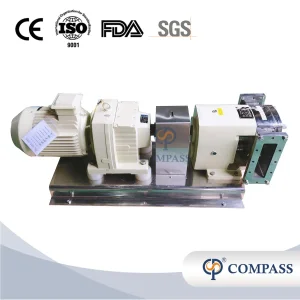
Yes, our precision manufacturing lines accommodate comprehensive OEM component adjustments. Utilizing state-of-the-art multi-axis CNC machining, advanced vertical machining centers (VMC), and robotic polishing cells, we adjust structural and surface details to match your specific engineering prints. Whether you require custom dimensions for heavy-duty hexagonal walkways, specific port configurations on stainless lobe pumps, or custom profiles on flexible robot guide posts, our engineering team manages the process to ensure full compliance with your design specifications.
How does surface passivation extend the operating lifecycle of fluid valves?
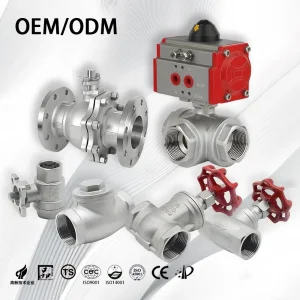
Chemical passivation using nitric or citric acid solutions target and dissolve free iron particles and exogenous contaminants left behind during mechanical machining. By removing this unbonded iron, the natural chromium content of the alloy reacts with atmospheric oxygen to form a uniform, resilient chromium oxide layer. This passive film prevents oxidation, resists chemical attack from sanitizing solutions, and eliminates localized rust risks. This structural stability minimizes system downtime and significantly extends the operational lifespan of the fluid valve.