Explore our premium machinery, diagnostic instruments, and structural raw materials engineered to survive strict mechanical environments.
Foshan Sandstorm Steel Co., Ltd. is a professional steel supplier dedicated to providing high-quality steel materials for construction, infrastructure, and industrial manufacturing. Located in Foshan, one of China’s major metal processing hubs, the company benefits from strong supply chains and advanced processing capabilities. With a commitment to strict quality control and reliable service, Foshan Sandstorm Steel focuses on delivering durable steel solutions that meet international standards and support diverse engineering and fabrication needs across global markets.
By connecting advanced smelting technologies with micro-finishing techniques like high-precision grinding, the company ensures that structural alloys, such as hot-rolled plates and cold-rolled sheets, maintain geometric tolerances suitable for modern automated assemblies.
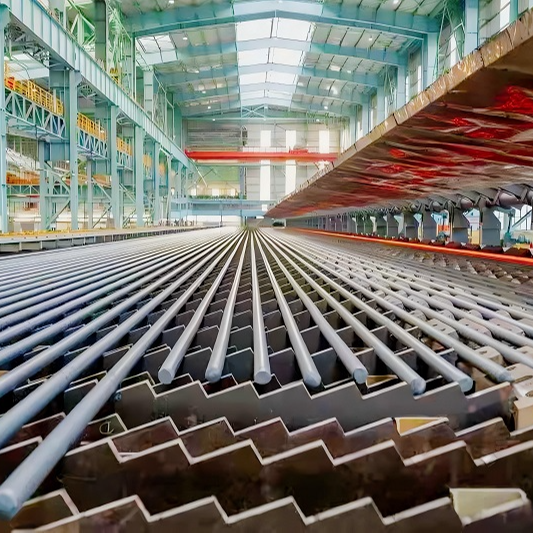
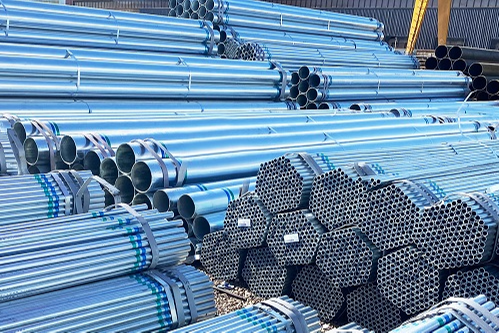
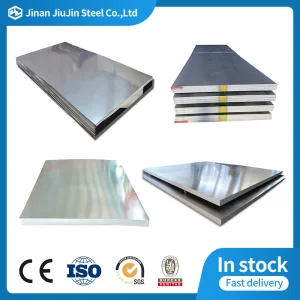
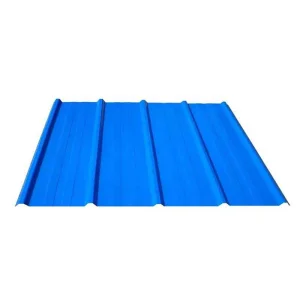
The company offers a comprehensive range of steel products, including Hot Rolled Steel Plate, Cold Rolled Steel Sheet, Galvanized Steel Sheet, Prepainted Steel Coil, and Corrugated Steel Sheet, widely used in building structures, roofing systems, and industrial equipment manufacturing. In addition, Foshan Sandstorm Steel supplies structural materials such as Structural Steel Beam, Steel H Beam, Steel I Beam, Steel Angle Bar, Steel Channel Section, and Steel Flat Bar, providing strong and stable support for construction and infrastructure projects.
To meet the needs of fabrication, mechanical engineering, and construction industries, the company also provides various steel pipe and section products including Steel Square Tube, Steel Rectangular Tube, Steel Round Pipe, Seamless Steel Pipe, and Welded Steel Pipe. Complementing these are advanced structural materials such as Cold Formed Steel Section and High Strength Structural Steel, designed to offer excellent load-bearing performance and durability. With competitive pricing, efficient logistics, and professional customer service, Foshan Sandstorm Steel Co., Ltd. continues to build long-term partnerships with distributors, contractors, and industrial clients worldwide.
Analyzing the progression of micro-machining parameters, robotic surface refining, and the thermodynamics of abrasive processing.
Modern industrial requirements demand component errors of less than ±0.5 microns. High-precision cylindrical, surface, and double-disk grinding processes control heat generation and mechanical vibration using hydrostatic bearings and real-time feed-back CNC controls.
Using Cubic Boron Nitride (CBN) and synthetic diamond wheels is now standard practice. These superabrasives keep their sharp edges longer, reduce wheel wear, and prevent thermal damage on hardened steel grades like D2, H13, and stainless steel families (AISI 304, 316, 430).
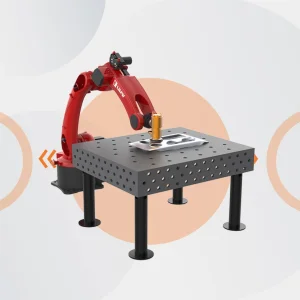
For complex shapes like aluminum castings, human-controlled processes cannot match the consistency of automated systems. Modern facilities use dual-abrasive robotic grinding arms with force sensors to keep contact pressure uniform, preventing over-grinding and ensuring consistent surface quality.
One of the main challenges in sub-micron grinding is thermal expansion. When grinding hard metals, temperatures at the point of contact can exceed 1000°C. Leading grinding plants use active coolant filtration, temperature-stabilized oils, and polymer concrete mineral bases to absorb heat and vibration. This keeps the machinery structurally stable and prevents dimensional drift during long production runs.
Connecting heavy structural raw materials with ultra-precise grinding practices across key global industries.
In aerospace applications, structural parts must handle high loads and remain lightweight. Combining high-strength structural steels with robotic double-abrasive grinding allows manufacturers to produce components like landing gear actuators, turbofan shafts, and wing attachment points that meet strict fatigue-life limits.
Electric vehicle (EV) drivetrains rotate at speeds exceeding 16,000 RPM. Grinding these transmission components requires excellent precision to minimize noise, vibration, and harshness (NVH). Modern grinding plants use automated, high-speed gear-grinding lines to maintain precise profiles on gear teeth.
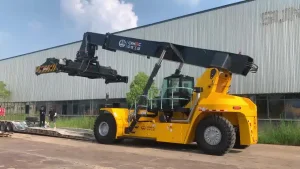
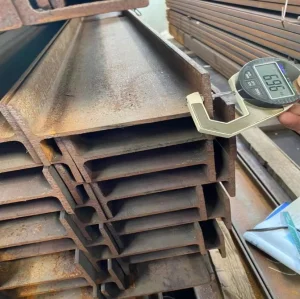
Large structures rely on heavy steel profiles like I-beams, H-beams, and channels to carry structural loads. In machinery like frontal cranes, these profiles must connect with flat, precisely ground mating surfaces to distribute loads evenly. Without accurate machining and weld-seam leveling, local stress concentrations can lead to structural failure under heavy weight.
| Grade Classification | Yield Strength | Key Applications |
|---|---|---|
| SS400 / S235JR | ≥ 235 MPa | General building structures, welded plates |
| S355JR / A36 | ≥ 355 MPa | Heavy machinery, H-Beams, structural channels |
| AISI 304L / 316L | ≥ 210 MPa | Chemical piping, food processing machinery |
How the Foshan industrial cluster uses automated manufacturing, supply chain integration, and cost controls to serve global markets.
China's industrial regions, especially metal hubs like Foshan, have evolved from traditional processing shops into automated Smart Factories. Modern facilities use networked ERP systems, robotic arms, and automated transport vehicles to manage the production process from raw steel plates to finished components.
By grouping raw materials processing, heat treatment, and precision grinding in the same geographic region, we eliminate transport delays and protect raw materials from humidity and environmental damage.
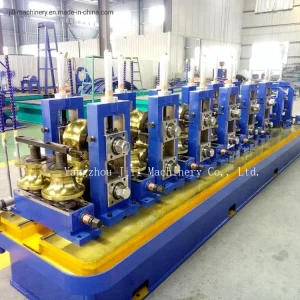
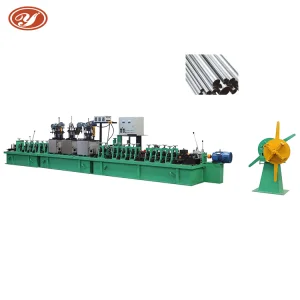
Using advanced equipment like the YJ-50 online welded seam leveling system ensures that welded tubes have smooth internal and external surfaces. This matches the properties of seamless steel pipes at a lower production cost.
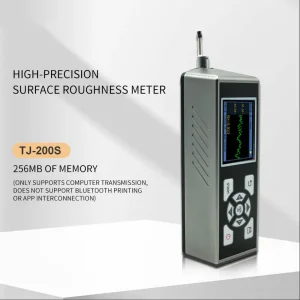
We use portable digital roughness gauges to measure surfaces directly on the production line across multiple parameters (Ra, Rz, Rq, Rt). This allows operators to monitor surface finish deviations in real-time, reducing scrap rates and keeping quality consistent.
Key checkpoints for purchasing agents, procurement managers, and engineering heads sourcing components from China.
Procuring heavy steel plates, structural beams, and precision-ground shafts from international suppliers requires careful evaluation of tolerances, standards, and material properties. The checklist below helps ensure quality alignment:
Ensuring structural alloys and precision components meet international trade, structural, and environmental standards.
Our structural materials and machinery components comply with standard global regulations. This includes CE certification for electrical components, ASTM/AISI standards for steel plates, and ISO 9001:2015 for manufacturing processes.
Importing large metal shipments requires correct documentation to prevent custom holds. We provide complete paperwork including HS classification, commercial invoices, packing lists, clean bill of lading, and certificates of origin (Form E, Form F) to streamline customs entry.
Steel products and precision components are vulnerable to saltwater corrosion during sea transport. We protect shipments using VCI (Volatile Corrosion Inhibitor) plastic wrapping, robust wooden crating, and desiccants to keep components dry during shipping.
Common questions answered by our engineering and metallurgy technical teams.
Grinding is a cutting process that uses abrasive wheels to remove material and correct dimensional and geometric errors. It aims to achieve specific tolerances (e.g., straightness, roundness, and cylinder profile). Polishing focuses on improving surface roughness using fine compounds, and does not correct shape errors.
When tubes are welded, a raised weld bead remains on the inside and outside. Internal weld seam leveling rolls this bead flat while the steel is still hot. Removing this bead creates a smooth internal surface, which prevents fluid turbulence, stops localized corrosion, and ensures uniform wall thickness for high-pressure applications.
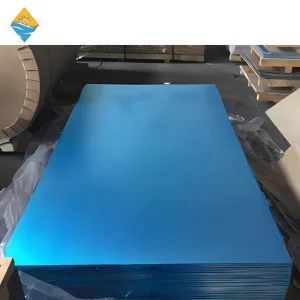
For cold-rolled and hot-rolled carbon plates, we apply a thin layer of protective rust-inhibiting oil before wrapping them in waterproof paper and securing them with steel bands. For galvanized and prepainted sheets, we use multi-layer plastic wrapping and place desiccants inside the bundles to prevent white rust formation during transit.
For heavy structural loads, we recommend S355JR or ASTM A572 Grade 50. These grades offer a minimum yield strength of 355 MPa, providing better load-bearing capacity than standard SS400 or S235JR steels, allowing designers to reduce component weight while keeping structures safe.
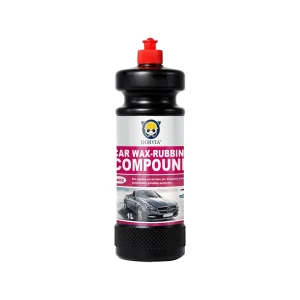
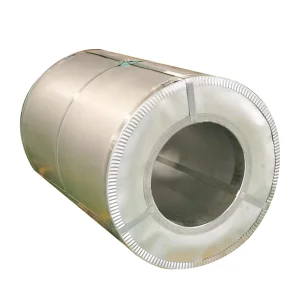
A selection of products including finishing compounds, processing equipment, and corrosion-resistant steel sheeting.
 Sandstorm Steel