High-performance tooling components, precision hardware, and core load-bearing materials for modern engineering.
In modern structural design, the
Analyzing high-strength carbon steel structural profiles, ASTM standards, European Norms (EN), and JIS specifications for diverse environmental conditions.
From metallurgical composition mapping to hot-rolled and cold-formed tolerances, ensuring exact structural mechanical alignment.
Deep-sea freight container optimization, cross-border anti-corrosion protection, and fast customs processing from China's primary metal hubs.
Foshan Sandstorm Steel Co., Ltd. is a professional steel supplier dedicated to providing high-quality steel materials for construction, infrastructure, and industrial manufacturing. Located in Foshan, one of China's major metal processing hubs, the company benefits from strong supply chains and advanced processing capabilities. With a commitment to strict quality control and reliable service, Foshan Sandstorm Steel focuses on delivering durable steel solutions that meet international standards and support diverse engineering and fabrication needs across global markets.
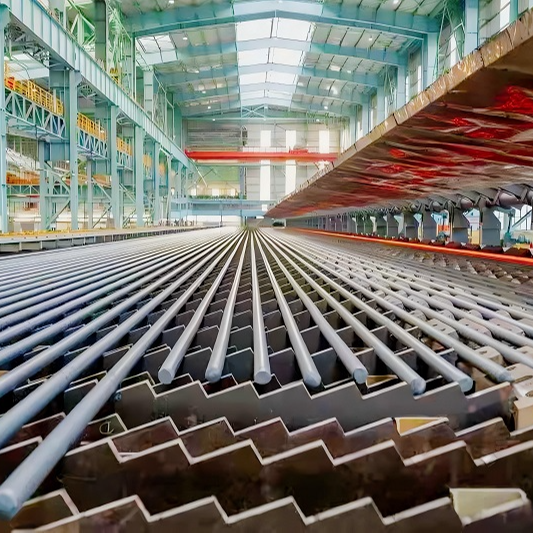
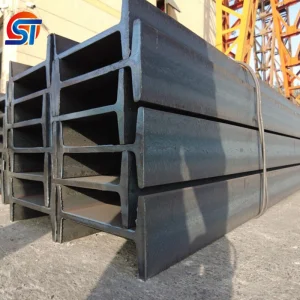
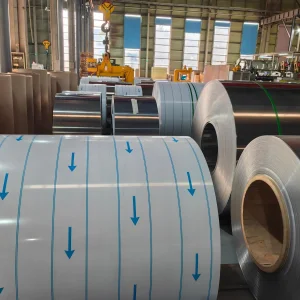
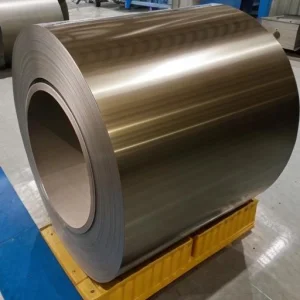
The company offers a comprehensive range of steel products, including Hot Rolled Steel Plate, Cold Rolled Steel Sheet, Galvanized Steel Sheet, Prepainted Steel Coil, and Corrugated Steel Sheet, widely used in building structures, roofing systems, and industrial equipment manufacturing. In addition, Foshan Sandstorm Steel supplies structural materials such as Structural Steel Beam, Steel H Beam, Steel I Beam, Steel Angle Bar, Steel Channel Section, and Steel Flat Bar, providing strong and stable support for construction and infrastructure projects.
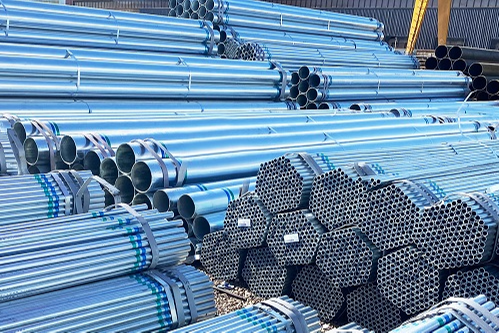
To meet the needs of fabrication, mechanical engineering, and construction industries, the company also provides various steel pipe and section products including Steel Square Tube, Steel Rectangular Tube, Steel Round Pipe, Seamless Steel Pipe, and Welded Steel Pipe. Complementing these are advanced structural materials such as Cold Formed Steel Section and High Strength Structural Steel, designed to offer excellent load-bearing performance and durability. With competitive pricing, efficient logistics, and professional customer service, Foshan Sandstorm Steel Co., Ltd. continues to build long-term partnerships with distributors, contractors, and industrial clients worldwide.
The structural steel profile market—comprising angle bars, H-beams, and channels—is undergoing a rapid transformation. Key drivers include the global expansion of renewable energy systems (e.g., solar tracking frames), the reshoring of manufacturing centers, and high-load civil engineering investments. According to recent industrial data, the demand for hot-rolled structural steel sections is projected to grow significantly, requiring manufacturers to produce high-strength steel grades while maintaining strict dimensional tolerances.
From a metallurgical standpoint, carbon steel angle bars must handle cyclic load distribution and resist atmospheric corrosion. Innovations in micro-alloying (such as adding trace amounts of vanadium and niobium) allow modern suppliers to offer high-strength steel with lower weights. Consequently, procurement managers evaluate angle bar suppliers not only on price per ton, but also on metallurgical traceability, third-party certifications, and supply chain reliability.
To assist procurement departments, structural engineers, and global distributors, we have evaluated the top 10 exporters and suppliers based on five key performance indicators (KPIs):
| Supplier / Exporter Group | Primary Production Region | Standards Compliance | Galvanization Capabilities | Specialty Category |
|---|---|---|---|---|
| 1. Foshan Sandstorm Steel Co., Ltd. | Guangdong, China | ASTM A36, EN 10025, JIS G3101 | Hot-Dip (up to 85μm), Zinc-Coating | Best for Integrated Customization |
| 2. Nippon Steel Corporation | Tokyo, Japan | JIS G3192, SS400, SM490 | Pre-galvanized & ZAM® Alloy | Ultra-High Strength Marine Steel |
| 3. ArcelorMittal Group | Luxembourg / Europe | EN 10025-2, S235JR, S355JR | ECO-Galvanization | Green low-carbon structural steel |
| 4. Baowu Steel Group | Shanghai, China | GB/T 706, Q235B, Q355B | Standard Hot-Dip & Primer Coated | Megaproject supply volumes |
| 5. POSCO Steel | Pohang, South Korea | JIS G3101, KS D3503 | PosMAC® Corrosion Protection | Automotive & Heavy Industry Grade |
| 6. Tata Steel Europe | United Kingdom / India | BS EN 10025, S275, S355 | Galvanized & Color-Coated | Industrial framework specialists |
| 7. HBIS Group | Hebei, China | GB/T 706, ASTM A36 | High durability Hot-Dip | Bulk distribution and trade export |
| 8. SSAB Profile Solutions | Sweden / Nordics | EN 10025, High-Yield Strenx® | Uncoated / Custom Alloy Options | Ultra-lightweight structural profiles |
| 9. Gerdau S.A. | Sao Paulo, Brazil | ASTM A36, ASTM A572 | Hot-Dip & Rust-preventative oil | Americas distribution & logistics |
| 10. JFE Steel Corporation | Kawasaki, Japan | JIS G3192, ASTM A36 | High-zinc density coating | Seismic-resistant steel development |
When specifying angle bars, structural designers evaluate several variables. Below is the structural mechanics matrix detailing standard dimensions, yield calculations, and load considerations.
Equal Angle Bars (L-profiles): Feature legs of equal length at a 90-degree angle. They are widely used for general structural bracing, light framing, and joist support.
Unequal Angle Bars: Feature one leg longer than the other (e.g., L150x90x10). These are ideal for asymmetrical loads, such as perimeter lintels in masonry walls, heavy machinery frames, and complex pipe rack supports.
For projects in coastal environments or high-humidity manufacturing plants,
Solar photovoltaic arrays require robust, light, and rust-resistant mounting brackets. Galvanized steel angle bars (equal leg) are often used for framing and horizontal braces due to their stability in windy environments. Low-maintenance pre-punched designs allow for fast on-site assembly, reducing labor and construction costs.
Grid transmission networks rely on lattice towers assembled from hot-dip galvanized unequal angle bars. Because these towers are exposed to extreme outdoor weather, the steel must meet strict low-temperature impact tests (e.g., S355J2+N with impact tests at -20°C) to prevent brittle fractures.
Offshore platforms and ships require marine-grade structural steel (such as AH32, DH36, or EH36). In these environments, angle bars are treated with epoxy coatings or thermal spray zinc to withstand saltwater corrosion and continuous mechanical stress.
Reliable structural steel suppliers follow strict quality assurance processes before shipping. The typical inspection flow at Foshan Sandstorm Steel and other major producers includes:
Optical Emission Spectrometry (OES) checks the carbon equivalent value (CEV), ensuring the weldability of the steel by keeping carbon content under 0.22% and limiting phosphorus and sulfur to trace levels (< 0.035%).
Tensile tests evaluate yield strength, ultimate tensile strength, and elongation, while Charpy V-Notch impact tests verify material toughness under extreme cold.
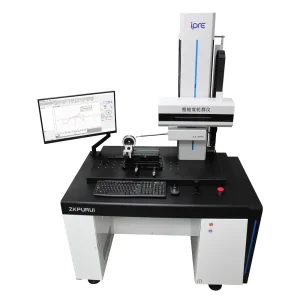
Calibrated calipers and laser measurement systems verify leg thickness, width, length, and straightness to ensure they fall within the tolerances specified by standard EN 10056-2 or ASTM A6/A6M.
Technical answers regarding structural profiles, material selection, and international logistics.
Explore our full line of structural materials, machinery components, and surface preparation equipment.
 Sandstorm Steel