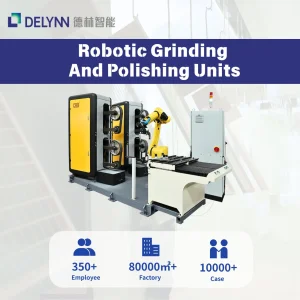
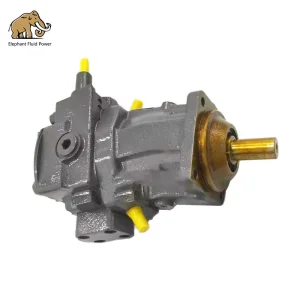
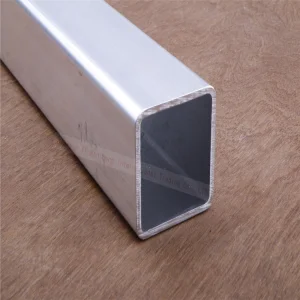
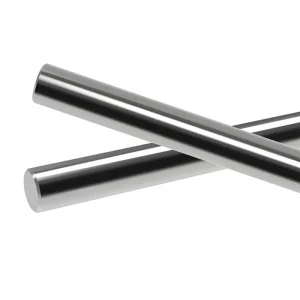
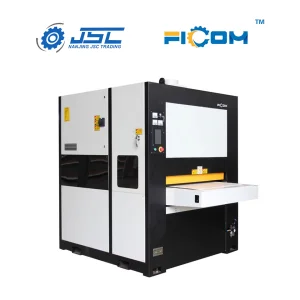
Our industrial portfolio guarantees structural compliance, surface uniformity, and precision tolerances required for flight-critical assemblies and demanding mechanical applications.
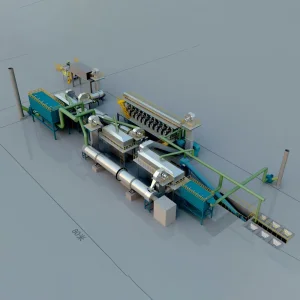
The aerospace sector operates under the most stringent structural tolerances in modern engineering. Within this realm, aerospace grinding and precision finishing occupy a critical position. High-strength materials, such as titanium alloys (Ti-6Al-4V), nickel-based superalloys (Inconel 718, René 80), and cobalt-chrome structures, exhibit exceptional mechanical properties, but are notoriously difficult to machine. Conventional cutting tools suffer rapid wear and degrade the surface integrity of these components, making advanced grinding technologies indispensable.
Global aerospace manufacturing requires grinding operations to achieve sub-micron geometrical accuracy and impeccable surface roughness (often under Ra 0.2 μm) to prevent catastrophic fatigue failure under high-vibration and high-temperature conditions. Key components like turbine blades, landing gear cylinders, engine compressor rotors, and structural frame elements rely heavily on precision grinding processes.
Compliance with international regulatory standards, such as CE marking, AS9100, and Nadcap accreditation, is the defining factor that separates reliable suppliers from the rest. For Tier 1 and Tier 2 aerospace procurement managers, sourcing CE-certified grinding machinery and processed parts ensures that the equipment complies with essential health, safety, and environmental protection legislations across the European Economic Area (EEA) and global markets.
Delving into the physics of material removal and metallurgical preservation in high-stress aerospace components.
Engineered for high-material removal rates while minimizing thermal stress. VIPER grinding utilizes vitrified CBN (cubic boron nitride) wheels paired with continuous dressing systems to guarantee consistent wheel geometry, maintaining form-holding accuracy on sophisticated turbine blade fir-tree roots.
High temperatures during grinding can introduce undesirable tensile residual stresses, leading to micro-cracking and work hardening. Our advanced cooling delivery networks optimize fluid velocity and contact area to keep grinding temperatures below the critical phase transformation point of titanium and superalloys, producing compressive residual stresses that extend part fatigue life.
Machinery deployed in our aerospace grinding operations complies with EU Directives 2006/42/EC (Machinery Directive) and 2014/30/EU (EMC Directive). Automated enclosures, acoustic emissions monitoring, and high-efficiency particulate extraction guarantee operational safety, system reliability, and consistent part accuracy.
China's rapid ascent in advanced manufacturing is driven by a highly integrated metallurgy supply chain and manufacturing ecosystems. Strategic industrial centers like Foshan, Guangdong benefit from complete supply networks, robust raw material access, and advanced steel processing capabilities. This unique infrastructure enables Chinese exporters to deliver CE-certified aerospace grinding solutions with unprecedented efficiency.
Integrated Raw Material Sourcing: By integrating raw material production, steel rolling, and precision grinding, Chinese factories reduce intermediate logistics, shielding global buyers from price volatility and supply chain disruption. From structural support channels to precision cold-drawn carbon tubes, all materials are sourced and processed under one unified quality management standard.
Continuous Technological Innovation: Chinese grinding systems utilize state-of-the-art CNC control software, automatic loading systems, and in-process laser measurement. By combining cost-effective engineering structures with premium CBN grinding wheels and high-precision spindles, we deliver international-grade performance without the prohibitive capital costs typical of Western manufacturers.
Scalable Production Capabilities: Whether handling custom prototype development or high-volume series production of landing gear sleeves and actuator rods, China’s industrial ecosystem responds quickly, keeping lead times significantly shorter than traditional supply routes.
Tailoring grinding specifications to the precise requirements of regional aerospace, defense, and high-performance industrial engineering projects.
Precision creep-feed grinding of turbine blades, gas-path seals, and shroud segments. Achieving precise root geometry ensures a reliable interference fit within engine disc assemblies, mitigating vibration-induced failures at high RPMs.
Outer diameter and inner diameter grinding of high-strength structural steels like 300M and AerMet 100. Grinding after HVOF thermal spraying guarantees smooth surface profiles, protecting hydraulic sealing systems from early wear.
Grinding of thin-walled launch vehicle structures, rocket engine nozzle rings, and fuel tank connectors. Precise control over thickness and flatness ensures optimal load distribution while keeping launch weight as low as possible.
Modern aerospace supply chain managers seek partners who offer technical competency, compliance, and material traceability. Managing procurement risks requires evaluating suppliers on four key areas:
Complete heat number tracking for raw steel, titanium, or nickel stock, supported by certified EN 10204 3.1 material test certificates.
Non-destructive testing options, including fluorescent penetrant testing (FPI) and magnetic particle testing (MPI) to verify crack-free surfaces post-grinding.
On-site or virtual audits of manufacturing centers to confirm compliance with ISO 9001 and aerospace standards.
Custom packaging, rust prevention, and international container optimization to ensure components arrive in pristine condition.
Foshan Sandstorm Steel Co., Ltd. is a professional steel supplier dedicated to providing high-quality steel materials for construction, infrastructure, and industrial manufacturing. Located in Foshan, one of China’s major metal processing hubs, the company benefits from strong supply chains and advanced processing capabilities. With a commitment to strict quality control and reliable service, Foshan Sandstorm Steel focuses on delivering durable steel solutions that meet international standards and support diverse engineering and fabrication needs across global markets.
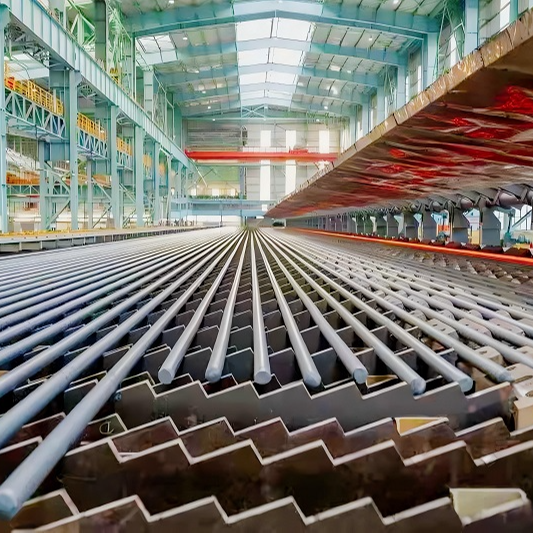
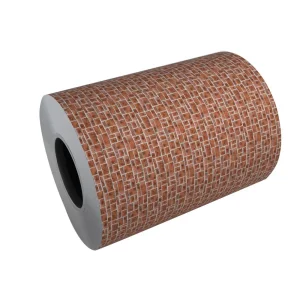
The company offers a comprehensive range of steel products, including Hot Rolled Steel Plate, Cold Rolled Steel Sheet, Galvanized Steel Sheet, Prepainted Steel Coil, and Corrugated Steel Sheet, widely used in building structures, roofing systems, and industrial equipment manufacturing. In addition, Foshan Sandstorm Steel supplies structural materials such as Structural Steel Beam, Steel H Beam, Steel I Beam, Steel Angle Bar, Steel Channel Section, and Steel Flat Bar, providing strong and stable support for construction and infrastructure projects.
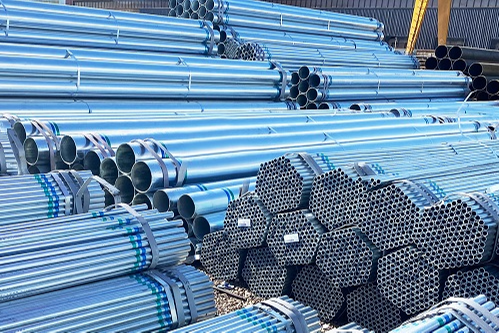
To meet the needs of fabrication, mechanical engineering, and construction industries, the company also provides various steel pipe and section products including Steel Square Tube, Steel Rectangular Tube, Steel Round Pipe, Seamless Steel Pipe, and Welded Steel Pipe. Complementing these are advanced structural materials such as Cold Formed Steel Section and High Strength Structural Steel, designed to offer excellent load-bearing performance and durability. With competitive pricing, efficient logistics, and professional customer service, Foshan Sandstorm Steel Co., Ltd. continues to build long-term partnerships with distributors, contractors, and industrial clients worldwide.
Answers to common technical, logistics, and material compliance questions for aerospace grinding and metallurgy procurement.
Titanium alloys are poor thermal conductors. To prevent thermal degradation (burning, cracking, and phase transformations), we utilize vitrified CBN wheels that require lower specific grinding energy. This is paired with high-pressure, flow-targeted coolant delivery systems designed to flush the grinding zone, keeping temperatures well below the phase transition point.
CE Certification ensures that the machinery used in our grinding processes complies with the safety, health, and environmental standards of the European Union. This guarantees a safe working environment, electromagnetic compatibility, and reliable mechanical operation, reducing liability for global buyers importing into highly regulated markets.
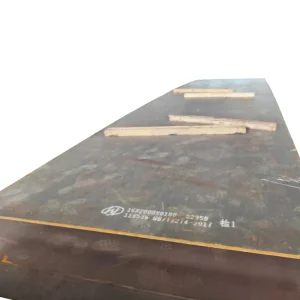
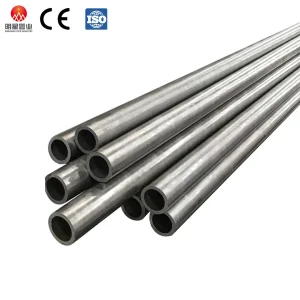
Foshan Sandstorm Steel Co., Ltd. supplies high-precision, structural-grade precursor steel profiles, seamless steel tubes, and custom OEM metal fabrication. These high-strength steel plates and custom structural sections serve as vital components for heavy machinery bases, transport fixtures, and tooling systems used during precision grinding operations.
Our standard precision grinding processes regularly achieve surface roughness values down to Ra 0.2 μm. For specialized aerospace and defense components, we can achieve ultra-precision finishes of Ra 0.1 μm or lower through step-controlled fine-grit grinding and superfinishing operations.
Explore more of our structural components, deburring machinery, and surface finish optimization options designed to streamline your manufacturing assembly.
 Sandstorm Steel