In the modern industrial landscape, abrasive wheel selection has transitioned from a basic procurement task to a critical engineering decision that impacts production efficiency, safety, and final product quality. As global manufacturing moves toward Industry 4.0, the demand for high-precision finishing and surface integrity has never been higher. China, as a global hub for abrasive manufacturing, now offers more than just cost-effective solutions; it provides advanced material science and customized engineering support that rivals top-tier international standards.
This white paper explores the intricacies of selecting the right abrasive wheels from top Chinese factories, emphasizing the E-E-A-T principle (Experience, Expertise, Authoritativeness, and Trustworthiness) to help global importers and engineers navigate the complex marketplace.
Unlike generic guides, this resource provides specific data on grain-to-bond ratios and thermal management during high-speed grinding operations.
Analyzing how current supply chain shifts are making Chinese "Abrasive Value Centers" more attractive for EU and North American markets.
Deep dive into vitrified vs. resinoid bonds and their specific performance in architectural metalwork and tool steel processing.
The global abrasive market is projected to reach significant milestones by 2030, driven by the expansion of the aerospace, automotive, and medical device sectors. Currently, China Top Abrasive Wheel Selection Factories are dominating the mid-to-high-end segments by integrating AI-driven quality control and automated production lines.
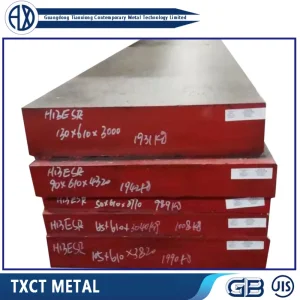
Traditional abrasives like Aluminum Oxide and Silicon Carbide are being supplemented—and in many cases replaced—by superabrasives such as Cubic Boron Nitride (CBN) and Diamond. This shift is driven by the need to process increasingly hard materials like H13 Hot Work Steel and 1.2344 ESR Tool Steel, which require minimal thermal damage and maximum dimensional accuracy.
Top exporters in China, such as those located in metal processing hubs like Foshan, have evolved. They no longer just ship "parts"; they ship "solutions." This includes providing local compliance certificates (EN 12413, ANSI B7.1) and 24/7 technical support for global distributors.
Years Industry Experience
Production Efficiency Increase
Compliance Guarantee
Countries Exported To
To choose the right wheel, one must understand the Standard Marking System. A typical specification looks like A 46 K 5 V. Each character represents a critical performance variable:
| Parameter | Description | Application Scenario |
|---|---|---|
| Abrasive Type | Aluminum Oxide, Zirconia, CBN | Carbon Steel, Stainless Steel, Alloys |
| Grit Size | Coarse (16-24) to Very Fine (220+) | Stock removal vs. Mirror finishing |
| Grade (Hardness) | A (Soft) to Z (Hard) | Harder wheels for soft materials |
| Bond Type | Vitrified (V), Resinoid (B), Rubber (R) | Precision grinding vs. Cutting off |
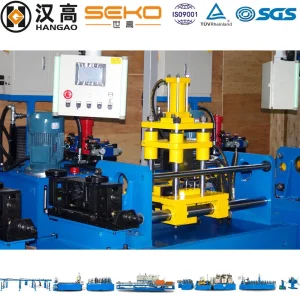
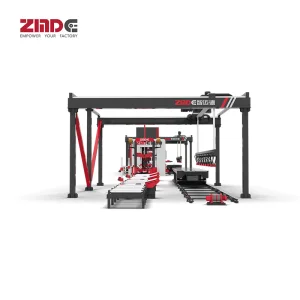
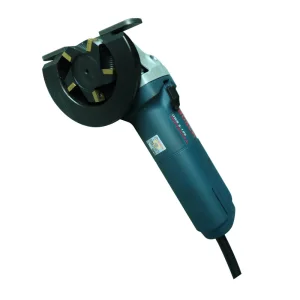
When selecting a wheel for Weld Seam Leveling (using equipment like the Intelligent Weld Seam Roller), the focus must be on thermal dissipation and bond elasticity to prevent localized hardening of the workpiece.
Foshan Sandstorm Steel Co., Ltd. is a professional steel supplier dedicated to providing high-quality steel materials for construction, infrastructure, and industrial manufacturing. Located in Foshan, one of China’s major metal processing hubs, the company benefits from strong supply chains and advanced processing capabilities.
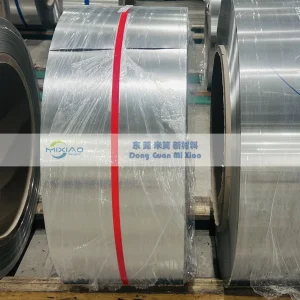
The company offers a comprehensive range of steel products, including Hot Rolled Steel Plate, Cold Rolled Steel Sheet, Galvanized Steel Sheet, Prepainted Steel Coil, and Corrugated Steel Sheet. These materials often require precise abrasive processing during the fabrication of building structures and industrial equipment.
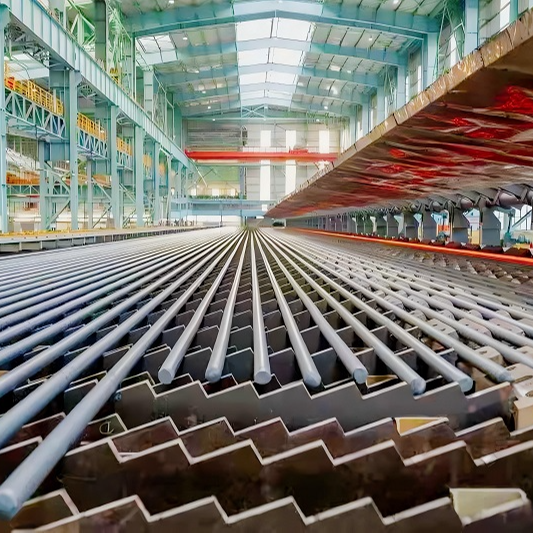
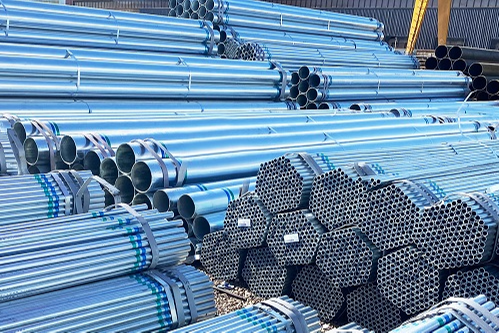
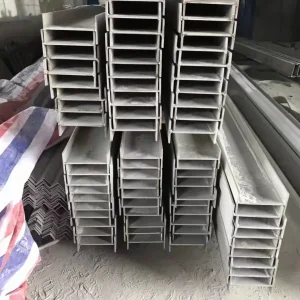
To meet the needs of fabrication and mechanical engineering, Sandstorm Steel supplies Structural Steel Beams, H-Beams, I-Beams, and Seamless Steel Pipes. Their commitment to strict quality control ensures that every material provided is ready for high-precision abrasive finishing, supporting diverse engineering needs across global markets.
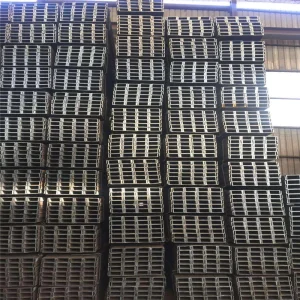
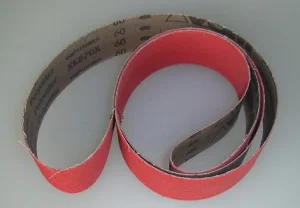
Utilizing high-performance abrasive belts and wheels for Steel H-Beam finishing and Q235 U Channel deburring to ensure structural integrity in high-rise buildings.
Precision grinding of engine components using specialized resinoid wheels that handle the high-thermal loads of hot work tool steels.
Refining Seamless Steel Pipes and Cold Formed Steel Sections for hydraulic systems where surface roughness (Ra) must be less than 0.4μm.
The future of abrasive wheel selection lies in Smart Abrasives. We are moving toward wheels embedded with sensors that monitor wear rates and heat in real-time. Furthermore, "Green Grinding" is becoming a standard, with Chinese factories leading the way in developing bio-based resins and recyclable abrasive grains to meet global ESG (Environmental, Social, and Governance) requirements.
 Sandstorm Steel