Steel frames are familiar on city skylines, but their appeal begins long before a building rises above the street. In a factory, beams can be cut and drilled to precise dimensions, then transported for assembly. On site, cranes lift those pieces into place, often creating clear spans for open offices, workshops, or retail floors. These practical details help explain why steel structures are popular in modern construction: they combine strength, design flexibility, and efficient assembly.
Fazlur Rahman Khan, a pioneering structural engineer, is often credited with the words, “Architecture is the reaching out for the truth.” His reminder suits material choices, too: a design must answer real structural needs, not merely look impressive. Steel can carry substantial loads with comparatively slender members, giving architects more freedom to shape usable space. It can also be adapted, repaired, and recycled, although the environmental benefit depends on sourcing, transport, and project decisions. There are trade-offs. Fire protection, corrosion control, skilled fabrication, and careful connections all matter. Steel is not a shortcut.
This introduction explores the engineering and construction reasons behind the material’s popularity, alongside its limits. A beam’s clean line can hide complicated calculations. And steel does not make every project better. The strongest case emerges when teams compare cost, schedule, site conditions, durability, and lifecycle impact. That comparison is sometimes messy. It should be. A thoughtful answer to why steel structures are popular in modern construction must look beyond appearance and account for how buildings perform in everyday use.
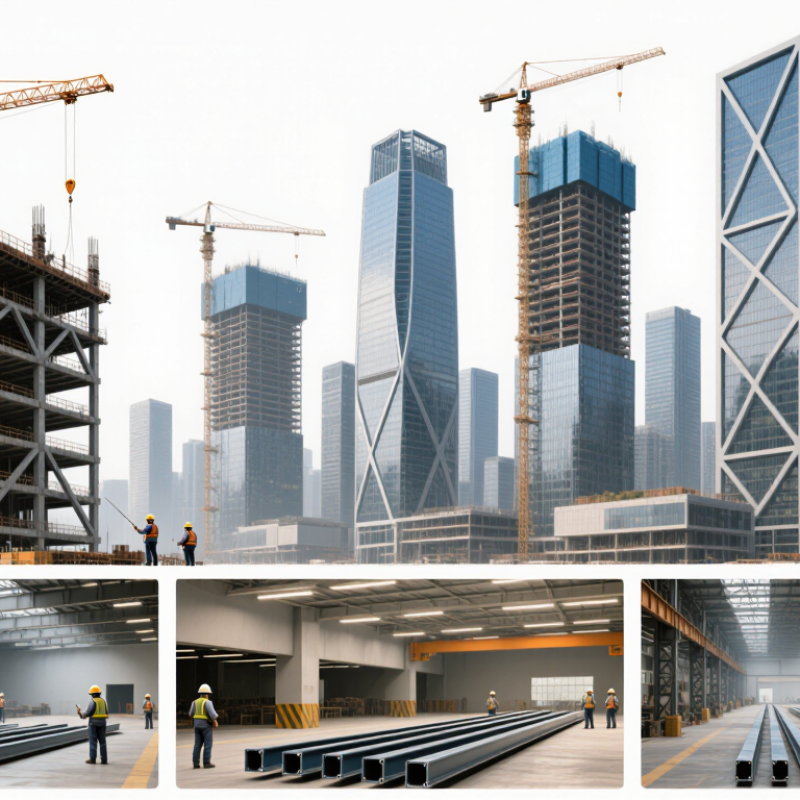
A steel structure is a load-bearing framework made from connected steel members. It carries the weight of floors, roofs, equipment, and people, then transfers those forces toward the foundations. The frame is more than a collection of metal pieces. Its shape, member sizes, and connections must work together.
The core components usually include columns, beams, braces, and connections. Columns carry loads downward. Beams support floors and roofs, while diagonal braces help resist wind and other sideways forces. Bolts or welds join members; their design matters as much as the steel sections themselves. Many buildings also use metal decking beneath a concrete floor. On drawings, this system looks tidy. On site, alignment and installation sequence can complicate it. Small details matter.
Tips: When reviewing a steel frame, look for clear load paths and well-detailed connections. Ask how the design addresses corrosion and fire protection, since both affect long-term performance. Don’t judge strength by appearance alone. A slender member may be adequate, but only when calculations and construction details support it.
Steel’s high strength-to-weight ratio allows engineers to support substantial loads with relatively little material mass. On site, that can mean slimmer columns and more open floor areas. The benefit is practical. Lower structural weight may also reduce foundation demands, though soil conditions and building geometry still matter.
When properly specified, steel responds to loads in a relatively predictable way. Its ductility allows members to deform before failure, helping a structure redistribute forces under some extreme conditions. Not automatically. Design, fabrication quality, and inspection remain essential. A small weld defect can be hard to spot, yet important where stresses concentrate.
Steel also suits prefabrication. Beams and columns can be cut and drilled in a controlled workshop, then assembled on site with bolted or welded connections. This can improve accuracy and shorten construction time, though transport limits and crane access may complicate the plan.
Steel’s stiffness helps control deflection, but span depth, connection behavior, and vibration requirements need attention. Corrosion protection and fire resistance require deliberate detailing. Coatings need upkeep, and that part is sometimes underestimated.
Steel can shorten a construction schedule because much of the work happens before materials reach the site. Fabricators cut, drill, and label beams in a controlled workshop, while crews prepare foundations. When the steel arrives, a crane can lift pieces into position and workers connect them with bolts. That matters. Fewer tasks compete for space on a busy site, and less cutting is needed at height.
This process also gives projects more flexibility. Long steel spans can create open interiors with fewer columns, useful in warehouses, offices, and adaptable public spaces. Clear floor areas make it easier to reposition partitions or change how a room is used later. Service routes for pipes and electrical systems can be planned around the frame, though openings and connections need careful engineering. Changes made late can still mean delays.
Speed depends on coordination, not just the material. Accurate drawings, timely approvals, and reliable delivery all affect when a frame can be assembled. A small mismatch between a connection plate and a beam can stop work while crews wait for a fix. Steel tolerances are tight. That can be overlooked. Weather, crane access, and the sequence of lifts also shape daily progress, so a fast installation plan needs room for real site conditions.
Common Uses of Steel Structures in Modern Buildings
Steel frames are common in offices, warehouses, hospitals, and apartment towers. Their high strength-to-weight ratio supports wide, open floor plans, with fewer interior columns interrupting work areas or retail layouts. In warehouses, long-span roof trusses can leave room for tall shelving and forklifts. The World Steel Association estimates that construction accounts for about half of global steel demand, reflecting steel’s widespread role in buildings and infrastructure. Steel columns and beams are also used in stadiums, where large clear spans help keep seating areas unobstructed.
Speed matters. Shop-fabricated beams arrive ready for assembly, which can reduce on-site cutting and help teams coordinate work around tight schedules. Steel is also used in staircases, roof structures, and building extensions, where lighter components can be useful. But steel is not automatically the greener choice: transport, protective coatings, fireproofing, and the project’s energy needs all affect its footprint. Details matter.
Tips: Match the steel section to the actual loads, not just the desired open space. Ask a qualified structural engineer to review connections, fire protection, and corrosion exposure early. A small design change can affect cost and installation time.
Common Uses of Steel Structures in Modern Buildings
What the chart shows: Construction accounts for about half of global steel use. In buildings, steel is commonly used for structural frames, columns, beams, and long-span roofs.
Source: World Steel Association. Construction includes buildings and infrastructure; figures are approximate shares of global steel use.
Steel structures remain popular because predictable fabrication can reduce site labor and shorten schedules. In a workshop, beams can be cut and drilled before crews arrive, then assembled with cranes. That can reduce disruption and make costs easier to track. But steel prices fluctuate, and transport or fire-protection costs can erase savings. No project is identical.
Steel’s high strength-to-weight ratio allows long spans and lighter foundations in suitable ground conditions. Components can be reused or recycled, but environmental gains depend on material sourcing, coatings, transport, and recovery at the end of a building’s life. A warehouse may gain open floor space, while a coastal building needs careful corrosion protection. Steel also conducts heat readily, so insulation and thermal-bridge details need close attention. Design errors happen.
Tips: Compare whole-life costs, not just frame prices. Ask for clear plans covering fire resistance, corrosion protection, thermal performance, and maintenance. Check fabrication capacity and delivery access; one late beam can stall a site. Keep a contingency for surprises.
Steel frames are common in offices, warehouses, hospitals, and apartment towers. Stadiums also use steel beams for wide, unobstructed seating areas.
Long-span roof trusses can create open floor space for tall shelving and forklifts. Fewer interior columns may make layouts easier to adapt.
Shop-fabricated beams can arrive cut and drilled, reducing some on-site work. Crane assembly may help, but delayed delivery can still stall a site.
No. Sourcing, coatings, transport, fireproofing, and future material recovery all affect its footprint. Details matter.
Compare whole-life costs, not only the frame price. Transport, fire protection, maintenance, and changing steel prices can affect the budget.
Steel may need corrosion protection, especially in coastal conditions. Fire resistance also requires careful planning and qualified engineering review.
Steel conducts heat readily. Insulation and thermal-bridge details need attention, or heat can pass through the structure.
Match each section to the actual loads. Review connections, delivery access, fabrication capacity, and installation timing. A small design change matters.
Steel structures are built from connected components such as beams, columns, and bracing that work together to carry loads and maintain stability. Their strength, durability, and relatively low weight allow designers to create spacious interiors and support a wide range of building forms. These qualities help explain why steel structures are popular in modern construction, especially when projects require both reliable performance and adaptable design.
Steel components can be fabricated off-site and assembled quickly, helping shorten construction schedules and reduce disruption. This flexibility makes steel suitable for offices, industrial facilities, public buildings, and other structures that may need open floor plans or future modifications. Steel also offers practical and environmental advantages because many components can be reused or recycled. However, project teams must consider costs, maintenance, fire protection, and the need to guard against corrosion. The best choice depends on a building’s intended use, location, budget, and long-term requirements.

Sandstorm Steel