Steel is a fundamental material in modern manufacturing. Understanding how steel is produced in manufacturing processes is vital for various industries. From construction to automotive, steel’s versatility makes it essential.
The production of steel involves several complex methods. Each method has unique characteristics and applications. These processes are continually evolving, responding to technological advancements and environmental considerations. Despite the efficiency of these techniques, challenges remain. The steel industry must address sustainability and resource management.
The top ten methods of steel production highlight this diversity. Various factors influence the choice of method, including cost, quality, and energy efficiency. Every process has its merits and limitations. Exploring these methods deepens our understanding of steel's impact on the world. It can inspire improvements in production and sustainability practices.
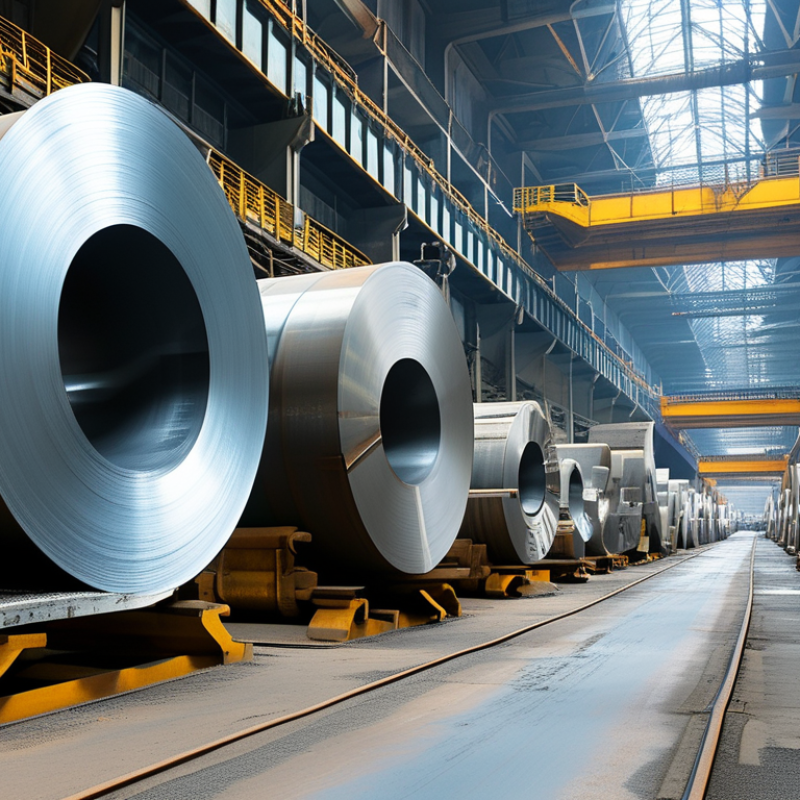
Steel production is a complex process with several methods. Each method has unique characteristics and applications. Understanding these processes helps to appreciate the quality of steel in various industries. The primary methods include the Basic Oxygen Furnace (BOF) and Electric Arc Furnace (EAF). These methods account for the majority of steel production worldwide.
In the BOF process, iron ore is converted into steel through intense heat and pure oxygen. This method is efficient for large-scale production. However, it also produces significant CO2 emissions. On the other hand, the EAF process uses recycled steel. It requires less energy and emits fewer pollutants. This method represents a sustainable approach but may lead to lower-quality steel under specific conditions.
Continuous casting is another key advancement in steel manufacturing. This technique allows molten steel to flow directly into molds, improving efficiency. Yet, it requires precise temperature control and skilled operators. The industry continuously seeks to refine these methods, balancing cost and environmental impact. Each approach has its trade-offs, prompting ongoing dialogue about the best practices for future steel production.
Steel production is a complex process that involves various methods. The two primary methods are the Basic Oxygen Furnace (BOF) and the Electric Arc Furnace (EAF). The BOF technique uses molten iron and scrap steel. Oxygen is blown into the mixture, resulting in purified steel. This method is widely adopted due to its efficiency in large-scale operations. However, it can be resource-intensive and generates significant emissions.
On the other hand, the EAF uses electricity to melt recycled steel scrap. This approach is considered more sustainable. It results in lower carbon emissions compared to the BOF. EAF production is flexible and can adjust to market demands quickly. While this method is becoming increasingly popular, it still faces challenges in energy consumption and operational costs. The choice between these methods often reflects a balance between efficiency, environmental impact, and economic factors.
Ultimately, the choice of steelmaking method will affect not just production volumes but also the overall sustainability of the steel industry. Each process has its benefits and drawbacks. Ongoing innovation in manufacturing is essential to improve efficiency and reduce environmental impact in steel production.
Secondary steelmaking plays a crucial role in modern steel production. Techniques like electric arc furnaces (EAF) and ladle refining are widely used. In 2022, EAF accounted for about 70% of steel production in the United States. This method allows for efficient melting of scrap steel. It’s an environmentally friendly approach, reducing carbon emissions significantly.
Ladle refining enhances the quality of steel. It removes impurities through various processes, including argon stirring and vacuum treatment. According to a report from the World Steel Association, the quality of steel produced using ladle refining is often better than that from primary processes. However, this method can be costly and time-consuming. Not all steel producers can afford these technologies.
Moreover, secondary steelmaking aids in recycling. The steel industry is one of the largest recyclers. Nearly 90% of scrap metal is recycled in the U.S. This reduces landfill waste and conserves natural resources. Yet, some challenges remain. Ensuring quality control and consistency in recycled materials can be problematic. Investing in advanced technologies might help address these issues and improve process reliability.
| Method | Description | Key Benefits | Typical Applications |
|---|---|---|---|
| Blast Furnace | A method that uses a heat furnace to smelt iron ore into pig iron. | High production capacity, low cost of operation. | Construction, automotive components. |
| Electric Arc Furnace | Utilizes electric arcs to melt steel scrap or direct reduced iron. | Energy efficient, lower emissions. | Recycling, mini-mills. |
| Basic Oxygen Steelmaking | Converts pig iron into steel by blowing oxygen through the molten iron. | Fast production time, reduces impurities. | Automotive, heavy machinery. |
| Direct Reduced Iron | Uses gas to reduce iron ore to iron without melting. | Lower energy consumption, less carbon footprint. | Steelmaking feedstock, limited coal usage. |
| Induction Furnace | Melts scrap steel with electrical induction heating. | Precise temperature control, suitable for small batches. | Specialty alloys, foundries. |
| Ladle Refining | Allows further purification of molten steel in a ladle. | Enhances material properties, customizes steel composition. | High-performance steels, quality assurance. |
| Vacuum Arc Remelting | Refines steel under vacuum to eliminate impurities. | High purity, ideal for high-strength applications. | Aerospace, nuclear applications. |
| Continuous Casting | Forms molten steel into semi-finished shapes continuously. | Efficiency, reduces waste in the solidification process. | Billets, slabs, and blooms for further processing. |
| Metal Injection Molding | Combines metal powder with polymer to create complex shapes. | Flexibility in design, minimal waste. | Medical devices, automotive details. |
| Cold Forming | Uses shaping techniques at room temperature to form steel. | Increased strength through work hardening. | Fasteners, clips, and brackets. |
Steel production has evolved significantly over the years. While traditional methods dominate, alternative processes are gaining attention for their environmental benefits. One notable method is electric arc furnace (EAF) technology. This approach uses recycled scrap steel as input, minimizing raw materials. It requires less energy compared to blast furnaces and produces fewer emissions.
Another emerging technique is hydrogen-based reduction. This method uses hydrogen instead of carbon to reduce iron ore. It offers a cleaner alternative that could drastically lower carbon footprints. However, the technology is still developing. The scalability and production costs remain challenges that need addressing.
While these alternative methods present promising futures, they also require reflection. The transition to greener technologies is not straightforward. Existing infrastructure and market acceptance play crucial roles. Moreover, the reliability of supply chains for sustainable materials remains in question. As steel production faces growing scrutiny, exploring these alternatives becomes essential.
Steel manufacturing significantly impacts the environment. While advancements improve production efficiency, they often come at a cost. The Global Steel Innovation Forum estimates that steel production accounts for approximately 7% of global CO2 emissions. This staggering figure underlines the urgency for sustainable practices.
Recycling plays a pivotal role in reducing environmental effects. About 75% of steel is recycled in the U.S., according to the American Iron and Steel Institute. Using recycled scrap instead of virgin materials cuts energy consumption and emissions drastically. However, not all steel manufacturing processes currently exploit this potential. There remains a gap between established practices and innovative techniques.
Moreover, water usage in steel production poses challenges. The World Steel Association reports that producing one ton of steel requires 1.5 to 5 tons of water. This extensive requirement can strain local water resources. Efforts are underway to minimize waste and improve water recycling in steel plants. Yet, achieving an equilibrium between production needs and environmental stewardship is an ongoing struggle. Industry stakeholders must remain vigilant and committed to refining these processes for a sustainable future.
: The main methods are the Basic Oxygen Furnace (BOF) and Electric Arc Furnace (EAF). Each has its unique characteristics.
The BOF process converts iron ore into steel using intense heat and pure oxygen. It's efficient but emits significant CO2.
The EAF uses recycled steel, requiring less energy and producing fewer pollutants. It's more sustainable than BOF.
Continuous casting allows molten steel to flow directly into molds, improving efficiency. It needs precise control and skilled operators.
BOF has high emissions due to energy use; EAF emits less. However, both methods need ongoing improvement for sustainability.
Yes, methods like electric arc furnace technology and hydrogen-based reduction are gaining attention for their environmental benefits.
It uses hydrogen to reduce iron ore, offering a cleaner alternative. However, scalability and costs remain challenges.
Transitioning requires considering infrastructure, market acceptance, and reliable supply chains for sustainable materials.
The method impacts production volumes and the steel industry's overall sustainability. Trade-offs exist between efficiency and environmental impact.
Innovation is essential for improving efficiency and reducing the environmental impact of all steel production methods.
The article provides a comprehensive overview of how steel is produced in manufacturing, detailing the various processes involved. It begins with an explanation of primary steelmaking methods, such as the basic oxygen furnace and electric arc furnace, which are essential for converting raw materials into molten steel. The discussion then transitions to secondary steelmaking techniques, emphasizing their importance in refining and enhancing steel properties through processes like ladle metallurgy and vacuum degassing.
Additionally, the article explores alternative methods for steel production, highlighting innovations that address efficiency and sustainability in the industry. Environmental considerations are also addressed, focusing on the impact of steel manufacturing on ecosystems and the steps being taken to mitigate these effects. Overall, the article serves as a valuable resource for understanding the intricate processes behind steel production and the ongoing advancements aimed at improving the sustainability of the manufacturing sector.

Sandstorm Steel