Steel is strong, but exposed steel does not remain reliable without protection. Rain, oxygen, salt, and industrial pollutants can slowly create rust beneath the surface. The damage often begins at welds, edges, bolts, and scratches. These small defects may later weaken large structural sections.
This article examines how coatings protect steel materials through ten practical protection methods. It explains how primers improve adhesion, barrier layers block moisture, and specialized finishes resist chemicals or ultraviolet exposure. Proper surface preparation receives close attention because even an advanced coating can fail over oil, mill scale, or loose rust. Standards such as ISO 12944 provide useful guidance for selecting systems according to corrosive environments. However, standards do not replace site judgment.
Real maintenance work also depends on details. Inspectors may check dry film thickness with a gauge, test adhesion, and search for tiny pinholes. A coating can look smooth while hidden defects continue spreading underneath. No coating is perfect. Even a carefully specified system may fail when application conditions change, drainage is poor, or inspections are skipped. That limitation deserves honest attention.
The following discussion connects coating performance with practical steel protection. It considers preparation, application, curing, inspection, and maintenance as one process. A well-chosen coating system can extend service life, reduce repair costs, and preserve structural performance. Results still depend on workmanship and exposure. The paint is only one part of the protection strategy.
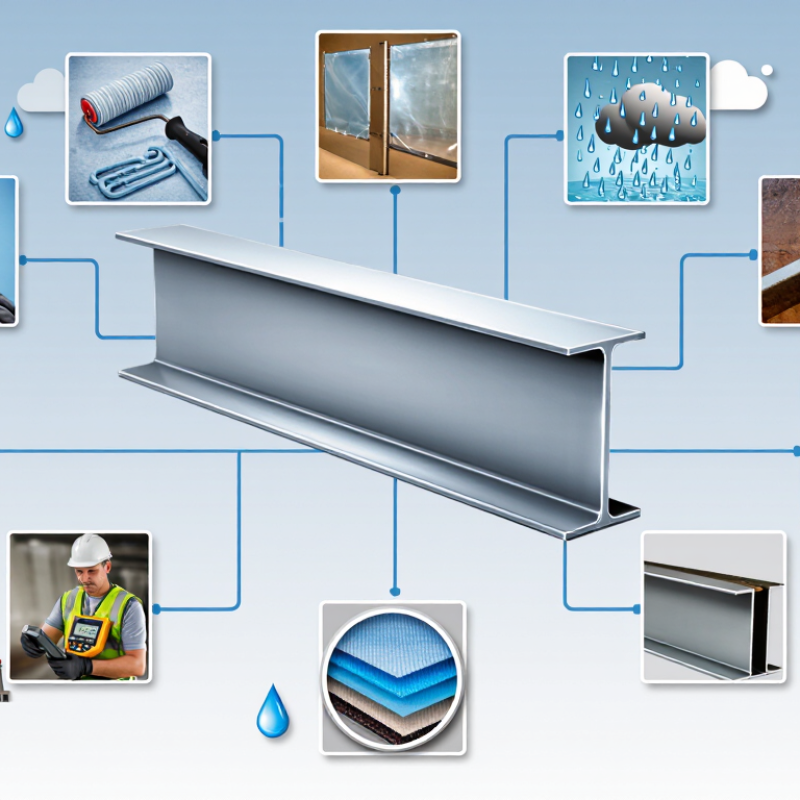
Top 10 Ways Coatings Protect Steel Materials?
Steel corrosion needs three essentials: water, oxygen, and an electrolyte such as salt. A coating creates a physical barrier between steel and these elements. It fills surface irregularities and slows moisture movement through the film. However, no coating blocks oxygen forever. Microscopic pores, scratches, and weak edges can eventually expose the metal.
Salt deserves special attention. Chloride ions can travel through wet coating defects and accelerate localized corrosion. The NACE IMPACT study estimated global corrosion costs at 2.5 trillion US dollars annually, equal to about 3.4% of global GDP. The report also noted that better corrosion management could reduce losses by 15% to 35%. Coatings support this effort by limiting electrolyte contact and separating anodic and cathodic areas on the steel surface. Some systems also provide sacrificial protection, but performance depends on film thickness, adhesion, curing, and surface preparation.
Tips: Remove mill scale, oil, and loose rust before application. Check steel temperature and humidity during coating work. ISO 12944 guidance emphasizes environmental exposure, coating durability, and maintenance planning. In field inspections, corrosion often starts at sharp corners, welds, bolt heads, and damaged edges. These areas need extra stripe coating and careful inspection. Small defects matter. A rushed repair may look acceptable today, yet fail after one wet season. Recheck thickness and adhesion after curing, because visual appearance alone can be misleading.
How coatings block water, oxygen, and corrosive salts
The chart shows the three main corrosion agents addressed by common coating technologies. Barrier films, pore sealing, hydrophobic surfaces, multilayer systems, and lamellar pigments mainly reduce the transport of water, oxygen, and dissolved salts. Zinc-rich coatings provide additional protection through sacrificial cathodic action, while passivating pigments and corrosion inhibitors reduce the electrochemical corrosion reaction at the steel surface. Adhesion and self-healing help preserve protection when the coating is damaged.
Steel coatings rarely fail because the paint is simply “bad.” They fail when preparation leaves behind oil, soluble salts, rust, dust, or a weak mill scale. A clean-looking surface can still be contaminated. That is the difficult part.
The IMPACT corrosion study estimated global corrosion costs at about US$2.5 trillion, equal to 3.4% of global gross domestic product. Better preparation cannot remove every corrosion risk, but it can reduce early coating breakdown.
ISO 8501-1 commonly guides visual cleanliness, including Sa 2½ abrasive blast cleaning. The surface should look uniformly metallic, without visible rust or old scale. It also needs a controlled anchor profile.
Many protective systems specify roughly 50–75 micrometres, measured with methods described in ASTM D4417. Profile matters. Too shallow, and the coating may peel. Too sharp, and peaks can remain under-covered.
Small details decide performance. Remove grease before blasting. Check dust with a tape test. Measure soluble salts, surface temperature, and dew point before application.
The steel should normally remain at least 3°C above the dew point. Otherwise, invisible moisture may form beneath the coating.
That mistake is common. It is also expensive. Adhesion testing under ASTM D3359 can reveal weak preparation, although results depend on coating type and test conditions.
Field records should include abrasive condition, profile readings, weather data, and repair areas. Perfect preparation is unrealistic, but undocumented preparation is harder to improve.
Top 10 Ways Coatings Protect Steel Materials: How Inhibitive Pigments Slow Electrochemical Corrosion
Steel coatings do more than separate metal from air and water. Their hidden work is electrochemical. When moisture reaches a defect, steel becomes the anode, while nearby oxygen-rich steel becomes the cathode. Iron dissolves at the anodic site, producing corrosion products that spread beneath the film. Inhibitive pigments interrupt this cell by releasing ions that support a thin, adherent passive layer. Some pigments also increase local alkalinity and reduce ionic movement through the wet coating. According to the NACE IMPACT Study, corrosion cost the global economy about $2.5 trillion annually, equal to 3.4% of global GDP.
The same study estimated that 15–35% of corrosion costs could be reduced through better management. Pigment selection contributes, but it cannot repair poor surface preparation or insufficient dry-film thickness. Zinc phosphate-based pigments, for example, can assist passivation when moisture enters a small scratch. Their performance depends on formulation, steel condition, exposure, and coating permeability. ISO 12944 emphasizes environment, preparation, and durability planning rather than pigment choice alone. That distinction matters. A coated test panel may look sound after weeks, yet hidden underfilm corrosion can continue around sharp edges. Field inspection remains necessary. The imperfect lesson is simple: inhibitive pigments slow the electrochemical reaction, but they do not make steel invulnerable.
Steel rarely fails because of one threat. Heat, chemicals, abrasion, and impact often work together.
A specialized coating can form a thermal barrier around steel surfaces. It slows heat transfer and helps limit oxidation during repeated heating and cooling. However, heat resistance depends on temperature, exposure time, film thickness, and substrate preparation. A coating rated for brief heat exposure may fail under continuous service. That difference matters. Chemical-resistant coatings protect against acids, alkalis, solvents, and salty moisture. Their performance depends on concentration and contact time. A small pinhole can allow chemicals to reach the steel beneath. Field inspections often find that preparation causes more failures than the coating itself.
Wear-resistant coatings reduce damage from sand, slurry, dust, and sliding parts. Hard fillers can protect high-contact areas, while flexible binders help absorb movement. Impact resistance needs a different balance. A very hard film may crack when struck, especially in cold conditions. A tougher formulation may flex instead. Real surfaces are rarely perfect. Poor cleaning, trapped moisture, or sharp edges can weaken adhesion before service begins. Inspectors should check surface profile, dry-film thickness, curing conditions, and visible defects. Simple tests, such as adhesion checks and holiday detection, can reveal hidden weaknesses. Coating selection should follow verified test data and actual operating conditions, not only a product label. One overlooked temperature cycle can change the result.
Top 10 Ways Coatings Protect Steel Materials?
How Layered Coating Systems Extend Steel Service Life
Steel rarely fails because of one cause. Moisture, oxygen, salts, abrasion, and temperature changes work together. A layered coating system separates these threats from the steel surface. It also gives each coating a specific responsibility.
Surface preparation remains critical. Clean steel allows the primer to bond firmly. A zinc-rich primer can provide sacrificial protection when scratches expose the substrate. An epoxy intermediate coat adds barrier strength and fills small surface irregularities. The topcoat then resists sunlight, rain, chemicals, and everyday wear. Three layers. Different jobs.
Application details decide whether this system performs well. Inspectors should check surface cleanliness, profile depth, wet-film thickness, dry-film thickness, and dew point conditions. Sharp edges and welds need extra attention because coatings often become thinner there. In coastal areas, hidden salts can remain after washing and cause early blistering. That mistake is easy to miss.
Field inspections often find damage around bolts, corners, and drainage points. Repairs should match the original system whenever practical. However, matching color does not guarantee matching protection. Compatibility, curing time, and surface preparation still matter. No coating plan is flawless. Poor access, rushed work, or unexpected humidity can reduce service life. Regular inspections help reveal these weaknesses before corrosion spreads beneath sound-looking layers.
| No. | Protection Method | How the Coating Protects Steel | Typical Layer or System | Main Benefit | Most Relevant Service Conditions |
|---|---|---|---|---|---|
| 1 | Barrier Protection | Forms a continuous film that limits contact between steel and water, oxygen, salts, and other corrosive contaminants. | Primer, build coat, and protective topcoat with adequate dry-film thickness. | Reduces the electrochemical reactions required for atmospheric corrosion. | Outdoor structures, buildings, bridges, tanks, and general industrial equipment. |
| 2 | Cathodic Protection | A sacrificial metallic coating, such as zinc, corrodes preferentially and provides galvanic protection to exposed steel areas. | Zinc-rich primer or metallic zinc layer, often combined with seal and topcoat layers. | Continues to protect small scratches and cut edges while sufficient sacrificial metal remains. | Marine atmospheres, road-salt exposure, industrial sites, and outdoor steelwork. |
| 3 | Corrosion Inhibition | Reactive pigments or inhibitors reduce anodic or cathodic corrosion reactions at the steel–coating interface. | Anti-corrosive primer beneath intermediate and finish coats. | Adds electrochemical protection when moisture reaches the interface. | Atmospheric steel where controlled corrosion resistance is required. |
| 4 | Improved Adhesion | A properly prepared surface and compatible primer create strong adhesion, limiting peeling, underfilm corrosion, and delamination. | Abrasive-blasted or mechanically prepared steel followed by a compatible primer. | Maintains coating continuity and prevents corrosion from spreading beneath the film. | All coated steel, especially surfaces exposed to humidity, vibration, or thermal cycling. |
| 5 | Layered Redundancy | Multiple compatible coats provide separate functions, so a local defect in one layer does not necessarily expose the steel directly. | Functional primer, high-build intermediate coat, and weather-resistant topcoat. | Combines adhesion, corrosion resistance, thickness, and environmental durability in one system. | Severe atmospheric, coastal, chemical, and infrastructure environments. |
| 6 | UV and Weather Resistance | A durable topcoat limits degradation caused by ultraviolet radiation, rain, temperature changes, and atmospheric exposure. | UV-resistant finish coat over a corrosion-control primer and intermediate coat. | Helps preserve color, gloss, flexibility, and the integrity of the underlying layers. | Roofs, façades, towers, bridges, outdoor machinery, and exposed structural steel. |
| 7 | Abrasion and Impact Resistance | Tough, sufficiently thick coatings resist wear, impact, scraping, and handling damage that could expose the steel. | High-build intermediate coat or reinforced protective lining over a corrosion-resistant primer. | Preserves the barrier in areas subject to mechanical stress. | Loading zones, walkways, chutes, equipment, transport structures, and industrial floors. |
| 8 | Chemical Resistance | Chemically resistant coatings slow penetration and attack from acids, alkalis, solvents, oils, and process chemicals. | Chemically resistant lining or topcoat selected for the specific chemical, concentration, and temperature. | Reduces coating swelling, softening, blistering, and steel exposure. | Process plants, storage tanks, wastewater facilities, and chemical handling areas. |
| 9 | Moisture and Salt Resistance | Low-permeability coating layers restrict water and chloride ions from reaching the steel surface and reduce salt-driven corrosion. | Sealed primer, low-permeability intermediate coat, and sealed finish coat. | Helps prevent blistering, pitting, and accelerated corrosion in wet or saline conditions. | Coastal structures, offshore facilities, de-icing salt areas, and humid environments. |
| 10 | Heat and Fire Protection | Specialized fire-protective coatings insulate steel or expand when heated, delaying the rise of steel temperature during a fire. | Compatible corrosion-control primer, fire-protective layer, and suitable protective finish where specified. | Extends the time before steel loses critical strength during fire exposure. | Buildings, industrial facilities, infrastructure, and areas requiring passive fire protection. |
Note: Actual service life depends on steel preparation, coating compatibility, dry-film thickness, edge treatment, application conditions, exposure severity, inspection, and timely maintenance.
Preparation removes oil, salts, rust, dust, and weak mill scale. A clean-looking surface may still hide contamination. Small defects grow.
It should look uniformly metallic, without visible rust or old scale. The surface also needs a controlled roughness for mechanical bonding.
Many protective systems require an anchor profile of about 50–75 micrometres. A shallow profile can reduce adhesion. Sharp peaks may remain under-covered.
Remove grease before blasting. Check dust with tape, and measure soluble salts, surface temperature, and dew point. Do not trust appearance alone.
Steel should normally stay at least 3°C above the dew point. Otherwise, invisible moisture can form beneath the coating. That mistake is costly.
Yes, adhesion testing can expose weak bonding. Results depend on the coating type and test conditions. One test cannot explain everything.
Thermal barriers slow heat transfer during repeated heating and cooling. Chemical-resistant films resist acids, alkalis, solvents, and salty moisture. Exposure time still matters.
Hard fillers help protect against sand, slurry, dust, and sliding contact. Tougher binders may absorb impact better than extremely hard films. Harder is not always better.
Record abrasive condition, surface profile, weather data, dry-film thickness, curing conditions, and repair areas. Perfect preparation is unrealistic. Missing records make improvement harder.
This article explains how coatings protect steel materials by creating a durable barrier against water, oxygen, and corrosive salts—the key elements that accelerate rust and surface deterioration. It also highlights why proper surface preparation, including cleaning and removing loose contaminants, is essential for strong coating adhesion and reliable long-term protection. A well-prepared steel surface helps prevent early peeling, cracking, and moisture penetration.
The article also explores how inhibitive pigments slow electrochemical corrosion by interrupting the reactions that cause steel to deteriorate. Specialized coatings can provide additional resistance to high temperatures, chemicals, abrasion, and impact, making them suitable for demanding service conditions. Finally, layered coating systems combine primers, intermediate coats, and topcoats to address different protection needs. Together, these methods improve durability, reduce maintenance requirements, and extend the safe and useful service life of steel structures and components.

Sandstorm Steel