When considering how to choose between wet and dry polishing methods, there are several factors to analyze. Each method has its unique advantages and potential drawbacks. Wet polishing often results in a smoother finish and reduces dust. However, it can create a slippery workspace, which poses safety risks.
On the other hand, dry polishing is more convenient in certain situations. It involves less setup and cleanup, making it an efficient option. But without proper dust control, it can lead to harmful inhalation risks. Understanding your project requirements is vital for making an informed choice.
Think about your workspace conditions, the materials you're working with, and the desired finish. Choosing the right method greatly impacts the effectiveness and safety of your polishing project. Balancing these considerations can illuminate the best path forward in this decision-making process.
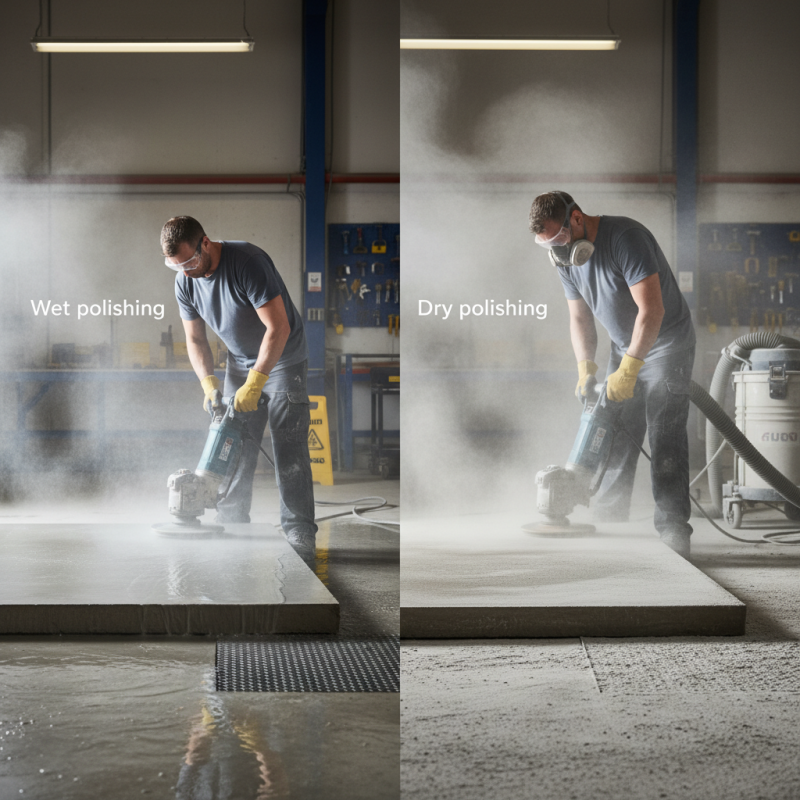
When considering wet and dry polishing methods, understanding their key differences is essential.
Wet polishing uses water to cool the surface and reduce dust. This method is often more efficient for stone and concrete surfaces, resulting in a uniform finish.
According to industry studies, wet polishing can improve lifespan and reduce tool wear by up to 50%. It also minimizes the health risks associated with silica dust exposure.
On the other hand, dry polishing is more convenient in certain situations. It does not require water, making it portable and suitable for quick jobs.
However, researchers note that it can generate high dust levels, which may affect air quality and worker health. Dry polishing is often quicker to set up. Yet, it may lead to burn marks on surfaces if not done carefully.
Tips for choosing the right method:
When choosing between wet and dry polishing methods, evaluating the surface material is crucial. Different materials respond uniquely to polishing techniques. For instance, according to industry reports, concrete surfaces often benefit from wet polishing, which minimizes dust and provides a smoother finish. In contrast, dry polishing is more effective on softer stones, like marble, where water can be detrimental.
It's essential to consider the porosity and hardness of your material. A report from the American Concrete Institute noted that materials with high porosity can absorb water and lead to complications during the polishing process. Selecting the wrong method can lead to uneven surfaces and longer project times. Furthermore, experimenting with a small area first can help determine the best approach. Poor choices can result in costly rework, emphasizing the importance of thorough evaluation.
Surface preparation plays a vital role as well. Uneven or damaged surfaces may require special attention before polishing. For instance, a recent study found that up to 30% of industrial polishing projects falter due to inadequate surface prep. Understanding your material's characteristics can guide you toward the right polishing choice, resulting in better outcomes and increased satisfaction.
When deciding between wet and dry polishing methods, environmental and safety considerations could influence your choice significantly. Wet polishing typically reduces dust generation, which can pose serious health risks. According to the American Industrial Hygiene Association, inhaling silica dust can lead to respiratory diseases. In a monitored environment, wet polishing lowers airborne particulates, making it a preferred option for many contractors.
Conversely, dry polishing can be more efficient in certain scenarios, but it carries increased health risks. Inadequate ventilation during dry polishing can lead to high dust levels. An OSHA report indicates that construction dust often exceeds permissible exposure limits. This raises concerns about worker health, especially with prolonged exposure.
Alongside health risks, consider the environmental impact of each method. Wet polishing uses water, which can require management for runoff and disposal. On the flip side, dry polishing may use abrasive materials that have environmental implications. It is vital to assess these factors when choosing a method. Balancing effectiveness and safety is not always straightforward, but it is essential for sustainable practices.
When analyzing cost and efficiency factors in polishing methods, the choice between wet and dry polishing techniques is essential. Industry reports indicate that wet polishing systems can reduce airborne dust by over 85%. This significant decrease in dust translates to a safer work environment. However, water usage adds to operational costs. In fact, companies using wet methods report a 20% increase in water expenses annually.
On the other hand, dry polishing methods require less upfront investment in equipment. Yet, their efficiency can vary. Some studies show they may produce uneven finishes, especially on hard surfaces. A 2021 survey noted that about 30% of users experienced reduced effectiveness when using dry polishers on dense materials. Moreover, the lack of water can lead to overheating, which affects long-term tool durability.
Ultimately, the choice of polishing method impacts not only quality but also overall project costs. It's crucial to weigh benefits against expenses, monitoring long-term outcomes. Testing both methods could provide real-world insights, guiding businesses toward more efficient practices.
| Polishing Method | Cost Per Square Foot ($) | Water Usage (Gallons) | Time to Complete (Hours) | Surface Finish Quality |
|---|---|---|---|---|
| Wet Polishing | $1.50 | 15 | 4 | High |
| Dry Polishing | $2.00 | N/A | 3 | Medium |
| Hybrid Polishing | $1.75 | 10 | 5 | High |
| Hand Polishing | $2.50 | N/A | 6 | Medium |
| Mechanical Polishing | $1.80 | 5 | 4 | High |
Choosing between wet and dry polishing methods often hinges on the right tools and equipment. Wet polishing requires a water source and specialized pads. These pads are typically diamond-coated for efficiency. Industry reports suggest that wet polishing reduces dust and improves finish quality. The circulation of water keeps the surface cool and prevents damage, which is crucial for longer-lasting results.
On the other hand, dry polishing uses pads that can operate without water. This method simplifies setup and cleanup. However, it generates dust, which may impact air quality and visibility. An economic report indicates that dry polishing might be more suitable for smaller jobs due to its portability and less complex equipment needs. However, the need for proper dust control measures cannot be overlooked.
Choosing the right equipment also involves considering the material being polished. Concrete, granite, and marble each require different pad types and grits. Inconsistent tool choice can lead to subpar results. For example, using a pad not suited for the surface can cause scratches. Evaluating your specific requirements is vital in achieving the desired finish. Each method has its advantages and challenges, and understanding these can significantly impact your project outcome.
: Wet polishing uses water for cooling and dust reduction. Dry polishing does not require water and is portable.
Wet polishing results in a uniform finish and improves lifespan, reducing tool wear by up to 50%.
Dry polishing generates high dust levels, which can lead to respiratory issues and affect air quality.
While it reduces airborne dust significantly, wet polishing increases water expenses by around 20% annually.
Yes, users often report uneven results, especially on dense materials, reducing its overall effectiveness by 30%.
Assess the surface material, work conditions, and health implications to make an informed decision.
Wet polishing is safer due to reduced dust, while dry polishing poses higher health risks without proper ventilation.
Testing both methods empowers businesses to discover effective practices, balancing cost, efficiency, and safety.
Yes, wet polishing requires water management, while dry polishing may involve abrasive materials with environmental concerns.
Lack of care during dry polishing may lead to burn marks on surfaces, impacting the overall quality of the work.
When determining how to choose between wet and dry polishing methods, it's essential to understand the fundamental differences between them. Wet polishing often provides a smoother finish and can be more effective for certain materials, while dry polishing is generally quicker and can be more convenient in settings where water use is restricted. Evaluating the surface material is crucial, as some materials benefit more from one method than the other.
Additionally, considerations around environmental impact and safety are increasingly important. Wet polishing can generate wastewater, whereas dry polishing may produce dust that requires air filtration. Cost and efficiency also play a significant role, with equipment and maintenance costs varying between the two methods. Finally, ensuring you have the appropriate tools and equipment tailored to your chosen method will contribute to the overall success of your polishing project.

Sandstorm Steel