Top 10 Ways Steel Shapes Modern Buildings and Their Impact?

Time:2026-07-25 Author:Liam
0%

Steel has revolutionized the construction industry, impacting modern architecture deeply. The versatility and strength of steel are undeniable. According to the American Institute of Steel Construction, steel structures account for approximately 60% of non-residential buildings in the United States. This statistic underscores how steel is used in modern buildings, serving as a backbone for varied designs.

Modern buildings often incorporate steel beams and columns for enhanced stability and durability. Additionally, the aesthetic potential of exposed steel contributes to contemporary design language, making it a favored material. Yet, despite its advantages, challenges in sustainability persist. The steel production process is energy-intensive and emits significant carbon dioxide.

Professionals in the field advocate for advances in recycling and eco-friendly manufacturing practices. This complexity highlights the dual nature of steel in construction—combining innovation with environmental responsibility. As the industry evolves, understanding how steel shapes our urban landscape becomes essential for architects and builders alike.
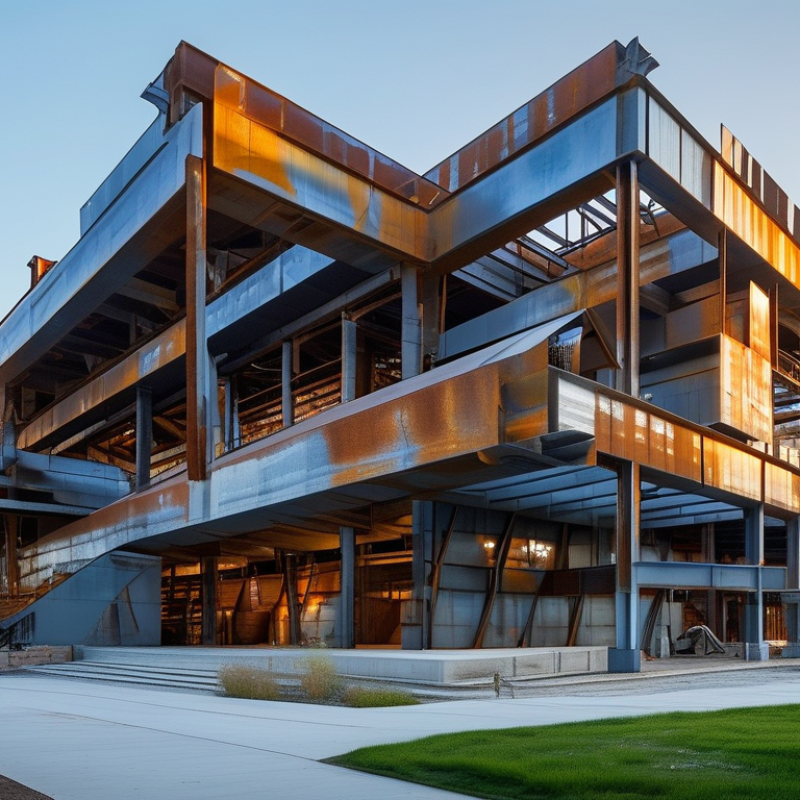
Top 10 Ways Steel Shapes Modern Buildings and Their Impact?

The Evolution of Steel in Modern Architecture

Steel has become a cornerstone in modern architecture. Its journey started in the 19th century, revolutionizing construction methods. Builders quickly recognized steel's strength and flexibility. This shift allowed for taller and more ambitious structures, changing skylines.

The use of steel introduced innovation in design. Architects began to explore bold forms and intricate details. Steel frames enable larger windows and open spaces, creating brighter interiors. This transformation supports energy-efficient designs, allowing natural light to enhance the mood of public and private spaces.

However, the reliance on steel brings challenges. The environmental impact of steel production raises concerns. There is also the issue of structural integrity during extreme weather events. As we push the limits of architectural design, ongoing reflections on sustainability and resilience are crucial. Balancing aesthetic desires with responsible practices remains an ongoing debate in the field.

Top 10 Ways Steel Shapes Modern Buildings and Their Impact

This bar chart illustrates the top impacts of steel on modern architecture, showcasing the percentage influence of various factors such as strength, cost-effectiveness, design flexibility, and sustainability. Steel has transformed the way structures are conceived and built.

Key Types of Steel Shapes Used in Building Structures

Steel shapes are crucial in modern architecture. They provide strength and durability to various buildings. Different types of steel shapes serve specific purposes. Common types include I-beams, C-channels, and angles.

I-beams are widely used in construction. They offer excellent load-bearing capacity. Their design maximizes strength while minimizing weight.

C-channels, on the other hand, are often used for framing and bracing. They provide lateral support and are lightweight.

Angles are versatile and used for various structural needs. They can join two parts together or serve as brackets. Each steel shape plays a unique role in building stability. However, assembling these shapes requires precision. Any inconsistency can lead to structural weaknesses. Thus, attention to detail is critical.

The Advantages of Steel in Structural Design and Durability

Steel has revolutionized structural design in modern buildings, offering distinct advantages in both strength and durability. According to the American Institute of Steel Construction, steel structures can last over 100 years with proper maintenance. This longevity reduces the need for frequent repairs or replacements, saving time and resources.

One significant benefit of steel is its ability to withstand extreme weather conditions. A report from the National Institute of Standards and Technology indicates that steel structures perform well in earthquakes and high winds. This resilience enhances safety for occupants and reduces the risk of catastrophic failure. However, steel is also vulnerable to corrosion if not treated properly. Building designers must consider protective coatings to mitigate this risk.

The flexibility of steel is another crucial factor in its popularity. It allows for innovative architectural designs and open floor plans. A study by the World Steel Association emphasizes that steel’s strength-to-weight ratio enables longer spans and reduces material usage. Yet, this flexibility can lead to increased construction costs if not managed carefully. Balancing budget and design potential remains a challenge for architects and engineers.

Environmental Impact of Using Steel in Construction

Steel has revolutionized modern construction, but its environmental impact deserves careful consideration. The extraction and production of steel are energy-intensive processes. This contributes significantly to greenhouse gas emissions. The mining of iron ore also leads to habitat destruction and soil degradation. These issues raise questions about sustainability in the steel industry.

However, steel is durable and long-lasting. Buildings made from steel can withstand severe weather and wear over time. This quality reduces the need for frequent replacements, which helps conserve resources in the long run. Moreover, steel is highly recyclable. Approximately 90% of steel can be recycled without losing its properties. This aspect helps divert waste from landfills and lowers the industry’s overall ecological footprint.

Despite these benefits, the steel industry's challenges must not be ignored. The production process still poses environmental risks, especially regarding water usage and pollution. Addressing these issues requires innovative approaches and better practices. Striking a balance between modern construction needs and environmental responsibilities is crucial. The construction sector must advocate for changes that lead to more sustainable steel usage in the future.

Top 10 Ways Steel Shapes Modern Buildings and Their Impact - Environmental Impact of Using Steel in Construction

Way Description Environmental Impact Sustainability Benefits
Versatility Steel can be shaped into various forms to fit diverse architectural designs. Reduces waste by minimizing excess material usage. Supports efficient use of resources.
Strength-to-Weight Ratio Steel structures can support larger loads while being lighter than other materials. Lowers energy consumption in transport and construction. Enhances building durability and lifespan.
Speed of Construction Prefabricated steel components can be quickly assembled on-site. Minimizes construction waste and site disruption. Reduces overall project timelines, decreasing environmental footprint.
Fire Resistance Steel structures are inherently fire resistant and can withstand high temperatures. Less need for treatments that can harm the environment. Increases safety and reduces potential material loss.
Recyclability Steel can be recycled multiple times without loss of quality. Promotes circular economy and reduces landfill waste. Supports resource conservation methods.
Low Maintenance Steel structures require minimal maintenance over their lifespan. Reduces resource utilization for repairs and upkeep. Allows for better allocation of resources to other projects.
Design Flexibility Steel allows for large open spaces in design without the need for many supports. Fewer materials mean less environmental impact. Facilitates innovative architectural designs.
Energy Efficiency Steel structures can be designed for better energy performance. Significantly lowers energy needs for heating and cooling. Promotes sustainability in building operations.
Adaptability Steel structures can be easily modified or expanded. Lengthens the useful life of buildings. Reduces need for completely new materials.
Economic Advantage Steel structures can be more cost-effective over their lifecycle. Optimal investment reduces environmental costs. Enables allocation of funds to sustainable technologies.

Future Trends: Innovations in Steel Technology for Buildings

The future of steel technology in construction is exciting. Innovations continue to reshape our buildings. From smart steel to sustainable materials, the possibilities are endless. Advanced steel fabrics integrate sensors for real-time monitoring. These can detect stress, temperature, and deformation before problems escalate.

Tips: Explore modern applications of steel. Focus on flexibility and resilience. Incorporate newer technologies as they emerge. Builders must embrace sustainability. Steel recycling is significant. Using recycled materials reduces environmental impact.

Innovative coatings enhance steel longevity. They resist corrosion and environmental wear. This means buildings last longer and require less maintenance. However, not every new technology will suit every project. Rigorous testing is crucial. Balancing innovation with practicality is a constant challenge. adapting to these changes can prove daunting for some in the industry.

FAQS

: What are common types of steel shapes used in construction?

: Common types include I-beams, C-channels, and angles. Each serves specific structural purposes.

Why are I-beams favored in construction?

I-beams have excellent load-bearing capacity. Their design maximizes strength while keeping weight low.

How are C-channels typically used?

C-channels are often used for framing and bracing. They provide lateral support and are lightweight.

What role do angles play in building structures?

Angles are versatile. They can join parts together or serve as brackets.

What is a significant advantage of steel in construction?

Steel structures can last over 100 years with proper maintenance. This reduces repair needs and saves resources.

How does steel perform in extreme weather?

Steel can withstand earthquakes and high winds. This enhances safety for occupants but requires proper treatment to prevent corrosion.

What challenge do architects face with steel flexibility?

While steel’s flexibility allows for innovative designs, it can increase construction costs. Balancing budget and design is essential.

What future innovations are expected in steel technology?

Innovations like smart steel with sensors may transform construction. These detect stress and temperature for proactive issues.

How does recycling steel impact the environment?

Using recycled materials reduces environmental impact. It’s a significant consideration for sustainable construction practices.

Why is rigorous testing important for new steel technologies?

Not every new technology suits every project. Testing helps ensure the right fit and practicality for construction needs.

Conclusion

Steel has revolutionized modern architecture by providing versatile and durable solutions that shape the skylines of cities around the world. The article explores how steel is used in modern buildings, beginning with its evolution from traditional materials to a cornerstone of contemporary design. Key types of steel shapes, such as beams and columns, play a crucial role in creating strong and flexible structures, allowing architects greater freedom in their designs.

Furthermore, the advantages of steel in terms of structural integrity and longevity are highlighted, showcasing its resistance to environmental conditions and pests. The article also addresses the environmental impact of using steel, emphasizing sustainable practices in sourcing and recycling. Looking ahead, innovations in steel technology promise to enhance its application in architecture, paving the way for even more efficient and eco-friendly building practices.

Liam

Liam

Liam is a dedicated marketing professional with a profound expertise in the industry, where he excels at highlighting the unique advantages of our core products. With a keen understanding of market trends and consumer needs, Liam frequently updates our company’s professional blog, providing......