Why Does Steel Require Corrosion Protection for Longevity?

Time:2026-09-03 Author:Oliver
0%

Steel is a fundamental material in construction and manufacturing. However, it is inherently prone to corrosion, making it crucial to understand why steel needs corrosion protection. Dr. Emily Hart, a renowned materials scientist, emphasizes this need, stating, “Protecting steel from corrosion is essential for its structural integrity and longevity.”

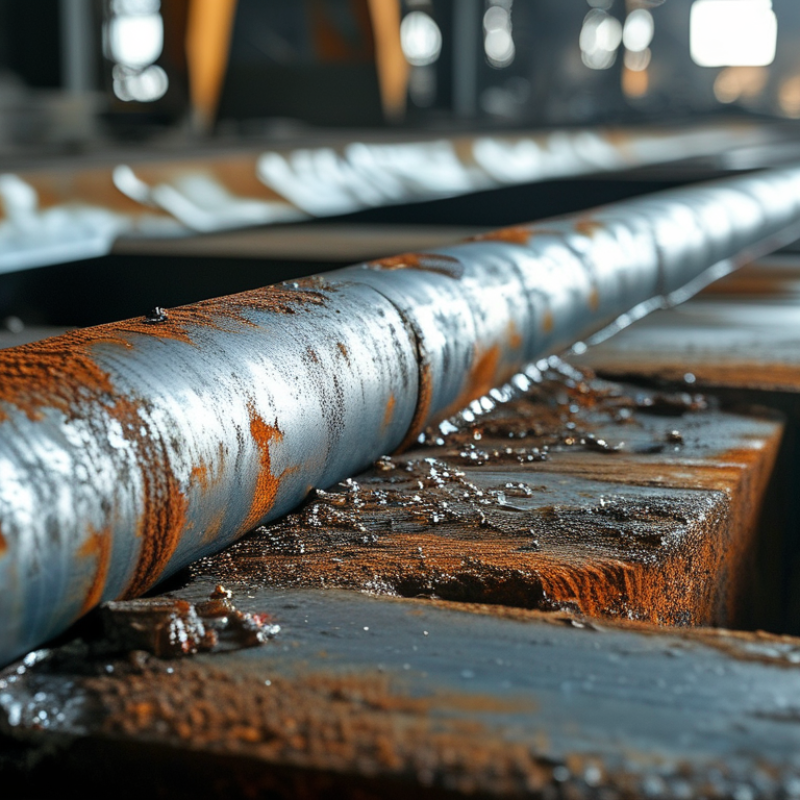
Corrosion can significantly weaken steel, resulting in costly repairs and safety hazards. When steel is exposed to moisture and oxygen, it begins to rust. This process can lead to complete failure in structures if not addressed. Effective corrosion protection extends the life of steel, ensuring it remains strong and reliable.

The methods of corrosion protection vary. They include coatings, galvanization, and cathodic protection. Each approach offers unique benefits, but their effectiveness largely depends on how they are applied. To truly appreciate why steel needs corrosion protection, one must recognize the long-term consequences of neglect. Understanding these challenges can lead to better maintenance strategies and enhanced safety in steel constructions.
Why Does Steel Require Corrosion Protection for Longevity?

The Chemical Processes Leading to Steel Corrosion

Steel corrosion is a significant challenge in various industries. It stems from complex chemical interactions with the environment. When exposed to moisture and oxygen, steel undergoes oxidation, forming rust. This reaction leads to the deterioration of the metal. According to the National Association of Corrosion Engineers, corrosion costs U.S. industries over $300 billion annually. This emphasizes the need for effective corrosion protection.

The corrosion process begins when electrolytes, such as saltwater, permeate the protective oxide layer on steel. This creates an electrochemical cell, accelerating the oxidation of the metal. Even small cracks or scratches can expose underlying steel, making it vulnerable. Research shows that carbon steel can lose up to 40% of its cross-sectional area in just a few years if unprotected. Furthermore, the rate of corrosion can double for every 10°C increase in temperature, highlighting the importance of monitoring environmental conditions.

To combat these issues, various protective coatings and galvanization methods are used. These solutions create a barrier against corrosive agents. However, they are not infallible. Over time, protective layers can degrade, revealing the metal beneath. Continuous assessment and maintenance are crucial. Even with the best technology, some corrosion will inevitably occur, necessitating ongoing vigilance and innovation.

Why Does Steel Require Corrosion Protection for Longevity? - The Chemical Processes Leading to Steel Corrosion

Corrosion Type Causes Protective Measures Impact on Longevity
Uniform Corrosion Exposure to moisture and oxygen Applying protective coatings (e.g., paint) Reduces material loss over time
Pitting Corrosion Localized attack due to chlorides Use of stainless steels or corrosion inhibitors Prevents small holes that can lead to structural failure
Galvanic Corrosion Contact between dissimilar metals Insulation of metals, sacrificial anodes Extends life of less noble metals
Crevice Corrosion Trapped moisture in tight spaces Design modifications to reduce crevices Minimizes localized corrosion and damage
Stress Corrosion Cracking Presence of tensile stress and corrosive environment Stress relief methods and environmental control Enhances mechanical integrity over time

Statistics on Steel Usage and Corrosion-related Costs in Industries

Steel is widely used in various industries, from construction to automotive manufacturing. Unfortunately, corrosion is a persistent issue. Statistics reveal that corrosion costs global industries approximately $2.5 trillion each year. This figure accounts for around 3-4% of the global GDP, indicating a significant economic burden. In fact, the National Association of Corrosion Engineers (NACE) estimates that investing in corrosion prevention could save around 30% of these costs.

In sectors like infrastructure and energy, the cost of corrosion is staggering. For instance, the U.S. government spends more than $30 billion annually on repairing corrosion-related damages in bridges and roads. Marine environments exacerbate the issue, as steel components often face severe corrosion challenges due to saltwater exposure. Choosing proper protection methods becomes crucial in these scenarios.

Consider simple steps for corrosion protection. Regular inspections can identify early signs of rust. Coatings and paint can offer additional barriers. For long-term results, maintaining a controlled environment can slow down corrosion. Reflect on how your industry handles steel and whether there are improvements to be made. Taking a proactive approach is essential in mitigating corrosion costs and ensuring the longevity of steel products.

Why Does Steel Require Corrosion Protection for Longevity?

The chart above illustrates the annual corrosion costs incurred by different industries due to corrosion-related issues. Protecting steel from corrosion is essential to enhance its longevity, particularly in sectors where it is heavily utilized.

Common Corrosion Protection Methods for Steel Structures

Corrosion is a silent enemy for steel structures. It can significantly reduce their lifespan and structural integrity. Various protection methods are essential for enhancing durability. Coatings are among the most common options. A layer of paint or a protective coating can keep moisture and oxygen at bay. This helps in preventing rust formation. However, the effectiveness of coatings depends on proper application. If not done correctly, they may peel or wear off quickly.

Another widely used method is galvanization. This involves dipping steel in hot molten zinc. The zinc layer acts as a barrier against corrosion. It also protects the underlying steel even if the coating gets scratched. However, some might argue that galvanization can be costlier for large projects. The choice of method should consider budget and project requirements.

Cathodic protection is another technique worth exploring. It employs electrical currents to counteract corrosion. This method can extend the life of pipelines and tanks. Yet, the complexity and maintenance can be challenging for some users. Each method has its drawbacks, and making the right choice is crucial for longevity. Understanding these options allows engineers to better protect steel structures.

The Impact of Environmental Factors on Steel Corrosion Rates

Environmental factors play a crucial role in the corrosion rates of steel. Humidity, temperature, and exposure to saltwater dramatically affect how quickly steel deteriorates. In coastal areas, salt and moisture can accelerate rust formation. High humidity levels can also create a moist environment for corrosion to thrive.

Pollutants in the air can further complicate the situation. Acid rain is a significant contributor to corrosion. It can react with the metal surface, leading to rapid deterioration. The presence of industrial emissions increases this risk, making urban areas particularly vulnerable. Structural steel in these regions often requires additional protection measures.

Temperature variations also impact corrosion. Extreme heat can accelerate chemical reactions, while cold temperatures may lead to frost formation. This frost can trap moisture against the steel surface. Inconsistencies in how steel structures are maintained add to the challenge. Many times, adequate inspection and treatment are overlooked, leading to increased vulnerability. Ensuring proper care is essential to prolonging the steel's lifespan, yet it is frequently neglected.

Long-term Benefits of Corrosion Protection for Steel Durability

Corrosion protection plays a critical role in enhancing the durability of steel structures. Research indicates that untreated steel can lose about 10-15% of its mass annually due to corrosion in industrial environments. Protective coatings and treatments extend the life of steel, preventing costly repairs and replacements. According to data from industry reports, structures that employed corrosion protection strategies saw a lifespan increase of up to 50%.

Investing in corrosion protection delivers robust long-term benefits. A study found that the cost of corrosion for the U.S. economy could exceed $400 billion annually. By implementing effective corrosion management, industries could save significant amounts in maintenance. Corrosion protection not only reduces economic losses but also increases safety. Corroded infrastructure can lead to failures that pose risks to public safety and health.

Monitoring and updating corrosion protection methods is vital. Some techniques may fail to offer the expected protection after a few years due to environmental stressors. Regular assessments are necessary to ensure ongoing effectiveness. Relying solely on initial coatings can be a costly oversight. Understanding the life cycle of corrosion protection can significantly impact decision-making in construction and maintenance.

FAQS

: What is corrosion and why is it a concern for steel structures?

: Corrosion reduces the lifespan and structural integrity of steel. It can silently deteriorate materials over time.

How do protective coatings work?

Coatings create a barrier against moisture and oxygen. They help prevent rust formation when applied correctly.

What happens if coatings are not applied properly?

Improper application can lead to peeling or quick wear. This undermines the protective benefits intended from coatings.

What is galvanization and how does it protect steel?

Galvanization involves dipping steel in molten zinc. The zinc layer prevents corrosion, even if scratches occur.

Are there any drawbacks to using galvanization?

Yes, galvanization can be costlier for large projects. Budget considerations are vital when selecting methods.

What is cathodic protection and its purpose?

Cathodic protection uses electrical currents to counteract corrosion. It’s useful for extending the life of tanks and pipelines.

What challenges come with cathodic protection?

The method can be complex and requires ongoing maintenance. Not all users may find it practical.

Why is monitoring corrosion protection methods important?

Regular assessments ensure that techniques remain effective. Some methods may fail under environmental stress over time.

What are the economic impacts of corrosion?

Corrosion costs the economy billions annually. Effective management can save money on maintenance and increase safety.

How can the lifespan of steel structures be increased?

Investing in corrosion protection strategies can increase lifespan significantly. This ultimately reduces costly repairs and enhances safety.

Conclusion

Steel is a vital material in various industries, but it is susceptible to corrosion due to chemical processes that occur when it comes into contact with moisture and pollutants. Understanding why steel needs corrosion protection is crucial, as statistics indicate that corrosion-related costs can be substantial across sectors, impacting both maintenance budgets and structural integrity.

To combat these challenges, several common methods of corrosion protection for steel structures are employed, such as coatings, galvanization, and cathodic protection. Environmental factors, including humidity and temperature fluctuations, can significantly influence corrosion rates, making protective measures even more essential. Ultimately, investing in corrosion protection not only enhances the longevity and durability of steel structures but also provides long-term economic benefits by reducing the frequency and costs associated with repairs and replacements.

Oliver

Oliver

Oliver is a seasoned marketing professional with a wealth of expertise in driving brand awareness and engagement. With a deep understanding of our company's product offerings, he consistently delivers high-quality content that enriches our professional blog. His insights not only shed light on......