10 Reasons Why Passivation is Essential After Polishing Process?

Time:2026-06-07 Author:Ethan
0%

The polishing process is a critical step in enhancing the surface quality of metal components. However, many overlook the importance of what follows: passivation. Why is passivation necessary after the polishing process? This question holds significant weight in industries that rely on corrosion resistance and long-lasting durability.

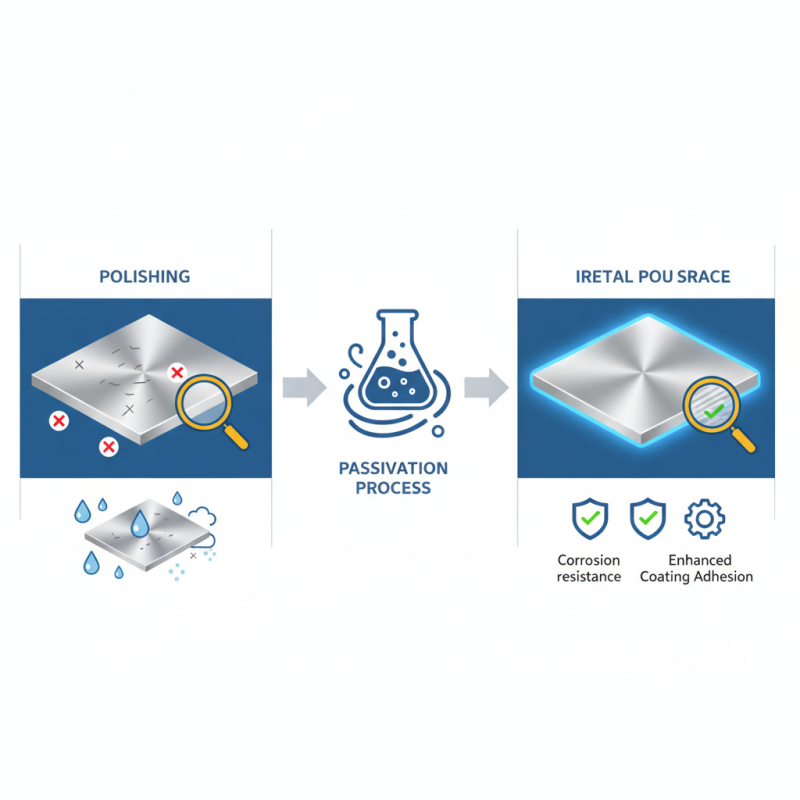
During polishing, micro-abrasions occur on the surface. These tiny imperfections can expose metal to environmental elements. Passivation helps restore the protective oxide layer, enhancing corrosion resistance. It also reduces the likelihood of surface blemishes and enhances the finish's longevity. Ignoring passivation can lead to unexpected failures, costly repairs, and compromised integrity of components.

Furthermore, the benefits of passivation extend beyond protection. It can improve the adhesion of coatings and paints. This not only enhances aesthetics but also bolsters performance in various applications. Passivation is, in essence, a safety net for polished surfaces, ensuring that the hard work put into polishing is not in vain. The importance of this step cannot be understated, especially in demanding environments.
10 Reasons Why Passivation is Essential After Polishing Process?

Importance of Passivation in Metal Finishing

Passivation plays a crucial role in metal finishing, especially after the polishing process. This technique enhances corrosion resistance by forming a protective oxide layer on the metal's surface. According to industry data, untreated polished metals can exhibit a loss of corrosion resistance by as much as 30% within just a few months. This highlights the importance of timely passivation to maintain durability.

One effective method is the use of citric acid or nitric acid solutions for passivation, which can remove contaminants and improve the surface quality. Data suggests that proper passivation can increase the longevity of metal finishes by up to 50%. This process not only preserves aesthetics but also ensures the structural integrity of components used in critical applications.

Tip: Regularly checking the environmental conditions where metals are stored can prevent corrosion before passivation. For instance, high humidity and exposure to salts can accelerate deterioration.

Failing to passivate may result in severe performance issues. Parts may oxidize, leading to expensive repairs or replacements. Many manufacturers overlook this step due to time constraints, compromising integrity. Prioritizing passivation strengthens both the metal and the end product.

Tip: Conduct regular audits of your finishing processes. Identify any gaps in your passivation application to ensure quality control.

Understanding the Polishing Process and Its Effects

The polishing process plays a crucial role in enhancing the surface quality of metal components. By removing imperfections and achieving a smooth finish, polishing improves aesthetic appeal and reduces friction. According to industry reports, up to 80% of metal finish defects can be traced back to inadequate polishing. This highlights the importance of proper techniques during this phase.

However, polishing can inadvertently create micro-scratches and remove protective oxides. Studies indicate that nearly 70% of polished surfaces are susceptible to corrosion if not treated properly afterward. This makes passivation a vital step in maintaining the integrity of the finish. Passivation helps in the formation of a protective layer, significantly improving the material's resistance to environmental factors.

Yet, even after thorough polishing, some manufacturers overlook passivation. This negligence can lead to costly failures and rework. It's critical for professionals to recognize that polishing alone does not guarantee durability. Regular assessments and adherence to standard procedures can enhance the longevity of polished surfaces. By understanding the polishing process and its repercussions, one can ensure optimal performance and reliability in metal components.

10 Reasons Why Passivation is Essential After Polishing Process

Reason Description Benefit
Corrosion Resistance Passivation enhances the corrosion resistance of polished surfaces. Extends the lifespan of the metal.
Surface Cleanliness Removes contaminants from the polished surface. Improved aesthetic and functional quality.
Oxide Layer Formation Forms a protective oxide layer on the metal. Protects against oxidation and tarnish.
Improved Adhesion Enhances the adhesion of subsequent coatings. Better performance of paints and finishe.
Reduction of Metal Ions Removes soluble metal ions from the surface. Minimizes contamination.
Uniform Appearance Creates a uniform and consistent surface appearance. Enhances visual appeal.
Enhanced Durability Improves the resistance to wear and tear. Increases the component's durability.
Environmental Protection Reduces the environmental impact of corrosion. Sustainable practices in manufacturing.
Cost Efficiency Decreases maintenance and replacement costs. More budget-friendly long-term solutions.
Industry Compliance Meets industry standards for surface treatments. Ensures regulatory compliance and quality assurance.

The Role of Passivation in Corrosion Resistance

Passivation plays a critical role in enhancing the corrosion resistance of polished metals. During the polishing process, various abrasives can create tiny scratches and imperfections on the surface. These imperfections may seem insignificant but can expose underlying metal to environmental factors. Moisture, oxygen, and chemicals can infiltrate these areas, leading to corrosion over time. Passivation forms a protective oxide layer, sealing these micro-crevices and preventing premature degradation.

Understanding the nuances of passivation reveals its importance. The passivation process often involves chemical treatments, which further enhance the corrosion resistance. Different metals react differently to these treatments, making expertise vital in selecting the right method. For instance, stainless steel requires specific solutions to form an effective protective layer. If done incorrectly, this process can lead to inconsistent protection, inviting corrosion rather than preventing it. This highlights the need for precision in surface treatment practices and a mindful approach to achieving optimal results.

Benefits of Passivation for Surface Integrity and Longevity

Passivation is a critical process following the polishing of metal surfaces. It enhances surface integrity by forming a protective oxide layer. This layer significantly improves resistance to corrosion. According to industry research, materials that undergo passivation exhibit a 50% reduction in corrosion rates compared to untreated surfaces. This reduction is crucial for industries facing harsh environments.

The longevity of mechanical components depends heavily on their surface treatment. Passivation not only extends the lifespan of parts but also reduces maintenance costs. A 2021 study found that passivated surfaces maintained their finish for over five years in marine environments. This showcases the value of investing in passivation processes. Neglecting it can lead to unexpected rust and degradation.

Despite its benefits, many manufacturers overlook passivation. This oversight can result in premature failure of components. Factors contributing to this include cost concerns and lack of awareness. However, the potential cost of replacing failed parts far exceeds the expense of proper treatment. In light of the data, it's clear that passivation is not just an optional step but an essential one for ensuring durability and reliability in metal products.

Common Methods and Techniques for Effective Passivation

Passivation is a critical step after the polishing process, ensuring the longevity and performance of metal surfaces. A commonly used method for effective passivation is the application of a nitric acid solution. This process removes free iron and other contaminants, enhancing corrosion resistance. Studies indicate that passivated stainless steel can exhibit up to a 98% reduction in corrosion rates compared to non-passivated surfaces.

Another technique involves a citric acid solution. This method is particularly beneficial for types of stainless steel susceptible to pitting. Citric acid passivation is non-toxic and environmentally friendly, aligning with industry demands for safer practices. Recent reports show that many manufacturers are shifting towards this method, reflecting a 25% increase in its application over the last five years.

**Tip:** Consistent monitoring of pH levels during passivation enhances the overall effectiveness.

Regularly assessing the thickness of the passive film can also provide insights into long-term durability. Additionally, combining passivation with other surface treatments can yield superior results, reducing wear and tear. Some organizations have reported a 30% increase in lifespan for parts subjected to both polishing and comprehensive passivation.

**Tip:** Always document the passivation process to establish reliable quality control measures.

FAQS

: What is passivation and why is it important?

: Passivation is a process that enhances corrosion resistance by forming a protective oxide layer on metals. It is crucial for durability.

How does passivation affect corrosion rates?

Passivation can reduce corrosion rates by up to 50%. Untreated polished metals can lose resistance within months.

What are common methods for passivation?

Common methods include using nitric acid and citric acid solutions. These remove contaminants and improve corrosion resistance.

Why do manufacturers sometimes overlook passivation?

Many overlook passivation due to time constraints or cost concerns. This can lead to premature failure of metal components.

How can environmental conditions affect metals before passivation?

High humidity and exposure to salts can accelerate metal deterioration. Regular environmental checks can help prevent corrosion.

What are the benefits of citric acid in passivation?

Citric acid is non-toxic and environmentally friendly. It is effective for stainless steel prone to pitting and is increasingly used.

How does regular monitoring impact passivation effectiveness?

Consistent monitoring of pH levels and passive film thickness enhances effectiveness. It leads to better long-term durability.

What are the potential costs of neglecting passivation?

Neglecting passivation can result in costly repairs or replacements. The long-term costs often exceed the initial investment in proper treatment.

How does passivation affect maintenance costs?

Passivation extends the lifespan of components, thereby reducing maintenance costs. Well-treated surfaces can last significantly longer.

Why is documentation important in the passivation process?

Documenting the passivation process establishes reliable quality control. It helps identify any gaps in quality assurance practices.

Conclusion

Passivation is a critical step following the polishing process in metal finishing, primarily due to its significant impact on corrosion resistance and surface integrity. The polishing process, while enhancing the aesthetic appeal of metals, can sometimes leave surfaces vulnerable to oxidation and other forms of deterioration. This raises the question, "Why is passivation necessary after the polishing process?" Passivation helps form a protective oxide layer on the metal surface, which not only increases resistance to corrosion but also prolongs the material's longevity and performance in various environments.

Additionally, effective passivation techniques ensure that the polished surfaces maintain their integrity by preventing contamination and enhancing durability. By employing common methods such as acid treatments or electropolishing, manufacturers can achieve optimal results, ensuring that the benefits of polishing are complemented by a robust protective mechanism. Ultimately, understanding the importance of passivation is essential for any metal finishing operation aiming at high-quality and long-lasting results.

Ethan

Ethan

Ethan is a seasoned marketing professional with a deep expertise in our company's innovative product line. With a passion for sharing knowledge and insights, he takes the lead in regularly updating our corporate blog, where he explores industry trends, product features, and effective marketing......