Top Features to Consider When Choosing a Pipe Polishing Machine?

Time:2026-06-13 Author:Amelia
0%

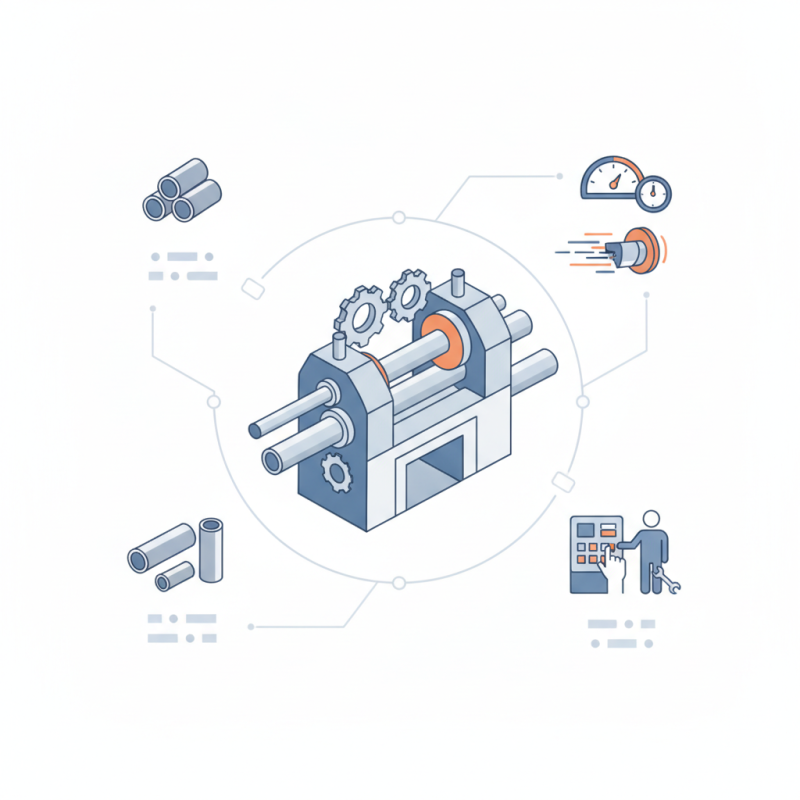
In the manufacturing industry, pipe polishing machines play a crucial role in ensuring product quality and aesthetic appearance. According to a report by MarketsandMarkets, the surface finishing equipment market is projected to reach $5.7 billion by 2025. This growth highlights the importance of investing in the right machinery. When selecting a pipe polishing machine, understanding "What are the key features to look for in a pipe polishing machine?" becomes essential.

Key features include adaptability to different pipe sizes, polishing speed, and ease of use. For example, a machine that can effortlessly switch between polishing stainless steel and aluminum offers greater flexibility. While some machines promise high efficiency, actual performance may vary based on build quality and user requirements. It's important to evaluate the machine in real-world applications rather than relying solely on specifications.

Ultimately, the right pipe polishing machine can enhance both productivity and product quality. Therefore, thorough research and consideration of specific features are critical. This process can lead to better investment choices and improved operational outcomes.
Top Features to Consider When Choosing a Pipe Polishing Machine?

Key Specifications and Technical Requirements for Pipe Polishing Machines

When selecting a pipe polishing machine, technical specifications are crucial for optimal performance. Key features include motor power, polishing speed, and compatibility with various pipe sizes. A robust motor, typically ranging from 1.5 kW to 5 kW, ensures efficiency in heavy-duty operations. Speed control options are essential, allowing adjustments from 300 to 1500 RPM to accommodate different materials. A report by the Machinery Industry Association states that machines with variable speed settings improve surface finishes significantly.

Another vital specification is the polishing media used. The choice between ceramic, nylon, or textile media can affect the outcome. Ceramic media often provides the best results for stainless steel, while nylon is suitable for softer metals. According to a study published in the Journal of Manufacturing Processes, using the right media can enhance polishing effectiveness by up to 30%. Ensure easy access for media replacement to minimize downtime.

Tip: Regular maintenance of the machine can prevent unexpected breakdowns. Keep an eye on the motor’s performance and inspect the polishing belts for wear. A proactive approach can lead to a 15% increase in longevity and reliability. The right machine can balance speed, quality, and cost-efficiency for a successful operation.

The Importance of Abrasive Material Selection in Finishing Processes

When selecting a pipe polishing machine, the choice of abrasive material is crucial. Abrasives come in various forms, including aluminum oxide and silicon carbide. Each type has its own advantages and applications. Aluminum oxide is ideal for general-purpose polishing, while silicon carbide works well for harder materials. Understanding the properties of these materials is essential.

Selecting the wrong abrasive can lead to poor finishing results. Inadequate material can cause scratches or uneven surfaces. This may result in rejected products or costly rework. Assessing the pipe material to be polished is also vital. Soft materials may require softer abrasives to avoid damage. Conversely, harder materials may benefit from tougher options.

The process of polishing is not merely about aesthetics. It influences corrosion resistance and weld quality. A well-chosen abrasive contributes to a consistent finish. Therefore, take the time to evaluate your options. The impact of abrasive selection extends beyond appearance. It can affect the longevity of the pipes and their overall performance in various applications. Reflection on your choices will lead to better results.

Evaluating Machine Speed and Efficiency for Optimal Production Rates

When evaluating a pipe polishing machine, speed and efficiency play crucial roles in optimizing production rates. Industry reports indicate that machines operating at speeds over 50 meters per minute can significantly enhance output while ensuring consistent quality. For instance, a recent study revealed that increasing speed by just 20% could lead to a 15% rise in overall production, illustrating the impact of machine performance.

It's essential to consider not just the speed but also the efficiency of the machine. According to the International Metalworking Association, machines with higher energy efficiency ratings tend to have lower operational costs over time. This translates to savings that can be reinvested into production processes. Monitoring energy consumption can help gauge efficiency, as inefficient machines may require twice the energy for similar output.

**Tip:** Regular maintenance checks can prevent sudden drops in speed and efficiency. Even minor adjustments can lead to significant improvements in performance.

Another key aspect is the adaptability of the machine. Machines that can adjust speed based on material type ensure optimal polishing without wasting time or resources. Reports show that flexible machines can increase overall throughput by up to 25%.

**Tip:** Review operational data regularly. This practice helps identify patterns that could indicate the need for updates or replacements. Consistency in performance metrics can guide future purchasing decisions.

Top Features to Consider When Choosing a Pipe Polishing Machine

Feature Specification Importance Rating (1-5)
Machine Speed Up to 3000 RPM High 5
Efficiency 85% or more High 5
Material Compatibility Metal, Plastic, Wood Medium 4
Size of Pipes 1 inch to 6 inches High 4
Power Consumption Less than 1.5 kW Medium 3

Understanding Safety Features and Compliance Standards in Machinery

When selecting a pipe polishing machine, safety features and compliance standards are crucial. According to the Occupational Safety and Health Administration (OSHA), workplace injuries can lead to significant production losses. A machine with proper safety features can mitigate this risk. Look for machines equipped with emergency stop buttons, safety guards, and adequate ventilation systems.

Compliance with safety standards is non-negotiable. Machines should meet ANSI and ISO standards, which often require rigorous testing. Reports indicate that compliant machinery can reduce workplace accidents by up to 30%. Additionally, operators need training to understand these safety measures. A lack of knowledge can lead to negligence, even with state-of-the-art equipment.

It’s essential to consider machine stability and noise levels as well. Machines that vibrate excessively compromise handling and can result in injuries. Noise levels above 85 decibels may contribute to hearing loss over time, making it critical to choose machines designed for lower sound emissions. Reflecting on past incidents can help identify the importance of these standards, reminding us that safety should always be a top priority.

Comparative Analysis of Cost versus Performance in Pipe Polishing Solutions

When selecting a pipe polishing machine, the balance of cost and performance is crucial. Many buyers often overlook how performance can save money in the long run. A machine that polishes efficiently will reduce the need for frequent replacements. This choice can influence both operational downtime and overall productivity.

Tips: Consider the durability of the machine’s components. Investing in high-quality materials can minimize wear and tear. Cheaper options might offer lower initial costs, but they often lead to higher maintenance expenses. Think long-term when making your decision.

Performance analysis reveals key features. Speed, ease of use, and polishing quality should not be compromised for a lower price. A machine with adjustable settings may provide better results on various pipe materials. However, it’s essential to remember that features alone don’t guarantee performance. User training might be necessary to operate these machines effectively.

Tips: Look for user reviews and case studies. This provides insights into real-world performance versus price. Understand what works best for your specific needs. Every operation is unique, and there’s no one-size-fits-all solution. Investing time in research could pay off significantly in efficiency.

FAQS

: What specifications should I look for in a pipe polishing machine?

: Key specs include motor power, polishing speed, and pipe size compatibility. A robust motor enhances efficiency.

How important is speed control in polishing machines?

Speed control from 300 to 1500 RPM is vital. It accommodates different materials and improves surface finishes.

What types of polishing media should I consider?

Options include ceramic, nylon, and textile. Ceramic is great for stainless steel; nylon suits softer metals.

Can the choice of abrasive material affect results?

Yes, using the wrong abrasive can lead to scratches or uneven surfaces. Choose based on the pipe material.

How does abrasive selection influence pipe performance?

A good abrasive impacts corrosion resistance and weld quality. It goes beyond aesthetics, affecting longevity.

What maintenance tips should I follow for my polishing machine?

Regular inspections of the motor and polishing belts can boost reliability. Proactive maintenance prevents breakdowns.

Is there a trade-off between cost and performance?

Yes, cheaper machines may incur higher long-term expenses. Quality components provide better durability and lower maintenance.

Why is user training important for operating polishing machines?

User training ensures effective operation. Features alone don’t guarantee performance; proper use is crucial for results.

How can I evaluate the performance of a polishing machine?

Look for user reviews and case studies. Real-world experiences help understand the balance between performance and price.

How should I approach my choice of a polishing machine?

Reflect on your specific needs. Every operation is unique; investing time in research can lead to better efficiency.

Conclusion

When considering a pipe polishing machine, it's essential to ask, "What are the key features to look for in a pipe polishing machine?" First, key specifications such as the machine's technical requirements and the quality of abrasive materials used play a crucial role in determining the efficiency of the finishing process. Selecting the right abrasive material not only affects the final finish but also the longevity of the machine itself.

Additionally, evaluating the machine's speed and efficiency is vital for maintaining optimal production rates. Safety features and compliance with relevant standards should never be overlooked, as they ensure operator safety and adherence to industry regulations. Finally, a comparative analysis of cost versus performance can help businesses make informed decisions, ensuring they invest in a pipe polishing solution that meets both their operational needs and budget constraints.

Amelia

Amelia

Amelia is a seasoned marketing professional with a wealth of expertise in our company’s core offerings. With an unwavering passion for driving growth and innovation, she plays a pivotal role in shaping our marketing strategies and enhancing brand visibility. A key aspect of her responsibilities......