Integrating a polishing machine into an existing ERP system can seem daunting. Many manufacturers wonder how to approach this task effectively. The first step involves understanding the specific needs of your production process. Each polishing machine may differ in functionality, and your ERP should accommodate these variations. Observing how your team interacts with the current system can reveal insights into potential hurdles.
Next, consider the communication between the polishing machine and the ERP software. Data transfer should be seamless, which requires expertise in both software and machinery. You also need to determine what data is essential for efficiency. Too much information can lead to confusion, while insufficient data may hinder decision-making.
Reflect on your past experiences with technology integration. What worked? What didn't? Learning from these moments can guide your approach. Ensuring that your team receives adequate training is crucial too. They need to feel confident in using the updated system. Addressing these aspects will pave the way for a smoother transition, making the question of how to integrate a polishing machine into an existing ERP system much less intimidating.
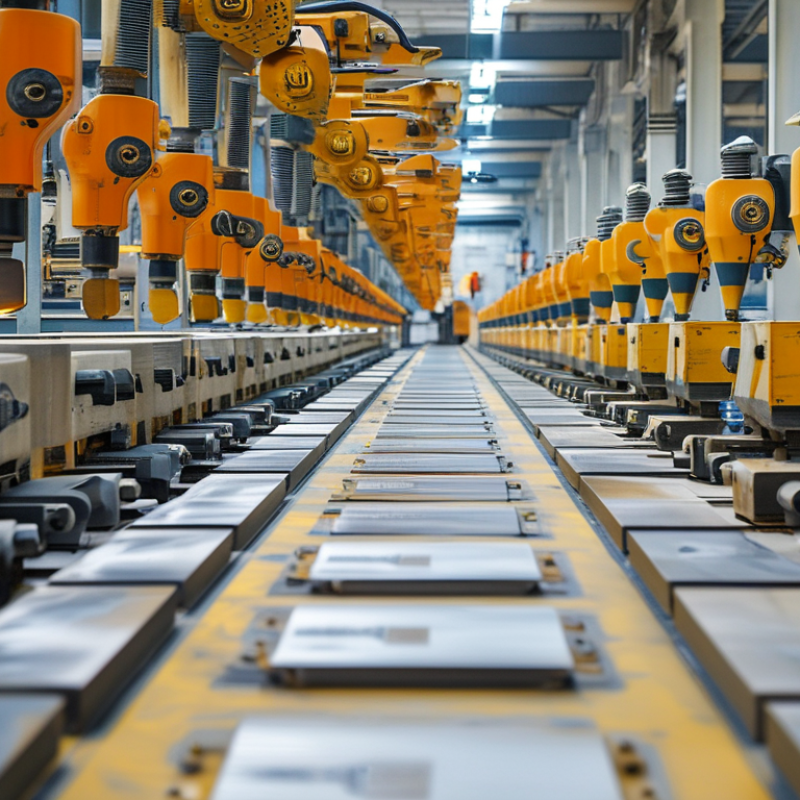
ERP systems play a crucial role in manufacturing by streamlining processes and improving efficiency. According to a report by MarketsandMarkets, the ERP market is expected to reach $78.4 billion by 2026, reflecting its growing importance in various industries. These systems integrate core business processes, from inventory management to production scheduling. However, many manufacturers struggle with full integration, often leading to inefficiencies.
A polishing machine can perform optimally when integrated with an ERP system. For instance, real-time data tracking allows for better resource allocation. This means less downtime and more productive use of machines. On average, manufacturers see a 20% increase in productivity after such integrations, as noted by APICS. Yet, challenges can arise. Data silos or outdated software can hinder seamless operation. It’s vital to assess current systems before integration. Small adjustments can yield significant results. Even slight misalignments in data can lead to costly mistakes.
Understanding the nuances of ERP is key. Not all solutions fit every manufacturer. Choosing the right ERP system requires careful evaluation of specific needs. Incompatible systems can create more problems than solutions. Engaging with industry experts can guide this decision, helping to navigate the complexity of integration. This approach can lead to a smoother transition and improved overall performance.
When integrating a polishing machine with an ERP system, evaluating compatibility is crucial. Start by examining the machine's specifications. Look for integration features that align with your ERP software. You need to assess data transfer capabilities, workflow synchronization, and real-time monitoring options. Compatibility gaps can lead to inefficiencies, so thorough vetting is essential.
Consider the communication protocols of both the polishing machine and the ERP system. Often, machines use specific protocols for data exchange. Ensure that your ERP can support these protocols. Lack of support may hinder effective communication and data accuracy. Moreover, test the implementation process in a controlled environment. This trial can reveal potential issues, allowing you to address them early.
Don't overlook the importance of user training. Employees must understand how to operate both the polishing machine and the ERP system efficiently. If they struggle with either, it will affect productivity. Furthermore, continuously gather feedback post-integration. This ensures that any lingering compatibility issues are identified and resolved promptly.
Integrating a polishing machine with your ERP system can enhance productivity. However, it can be challenging if not approached correctly. A study from the Industrial Internet Consortium indicates that up to 30% of manufacturing processes face integration issues. These often arise from outdated software or insufficient training.
Begin by assessing the compatibility of your polishing machine with the ERP system. This step is crucial. Devices from different eras may not communicate effectively. It could lead to data silos and hinder operational efficiency. A survey indicated that around 45% of manufacturers reported such challenges. Addressing these gaps early can save significant time and resources.
Next, consider real-time data monitoring. This feature allows operators to track the performance of the polishing machine instantly. Research shows that real-time data can increase efficiency by as much as 25%. However, many companies overlook this aspect. They often fail to provide adequate training for staff, leading to underutilization of the installed systems. Continuous education is essential for maximizing integration success.
Integrating a polishing machine with your ERP system is a pivotal step for manufacturers. Monitoring performance is essential. Data collection post-integration ensures continuous improvement and efficiency.
Establish metrics to track machine uptime. Regular monitoring can reveal performance trends. According to a recent industry report, effective data monitoring can enhance productivity by up to 30%. This can be achieved by setting clear benchmarks and KPIs. Analyzing these metrics helps identify areas of improvement. Poor data interpretation can lead to costly mistakes. Have a plan in place to address discrepancies.
Implement real-time data collection for immediate insights. Utilize dashboards for visualization, making performance easy to track. Industry data suggests that companies employing real-time monitoring experience reduced downtime. Remember that not every integration will go smoothly. Learn from setbacks and adjust your approach as needed. Continuous feedback from operators can refine machine performance. Engaging with the workforce adds a layer of trust and accountability to the process.
Incorporate regular maintenance checks into your schedule. Unexpected issues can arise, affecting integration success. Document both successes and failures for a comprehensive view of the integration journey. This reflection can guide future decisions and strategies. Ultimately, a loop of ongoing assessment and adjustment leads to sustained growth.
| Tip | Description | Key Metrics | Frequency of Monitoring |
|---|---|---|---|
| 1. Define Clear Objectives | Establish what you want to achieve with the integration, such as efficiency improvements. | Efficiency Rate, Output Quality | Weekly |
| 2. Ensure Data Compatibility | Check that the formats of data used in the polishing machine are compatible with your ERP. | Data Transfer Errors, Sync Duration | Daily |
| 3. Automate Data Collection | Set up automated processes for data collection to minimize manual entry errors. | Automation Rate, Manual Entry Instances | Real-time |
| 4. Analyze Performance Regularly | Use data analytics to assess the performance of the polishing machine and make adjustments as needed. | Machine Downtime, Production Volume | Monthly |
| 5. Train Staff for Effective Usage | Ensure that staff are well-trained to operate the polishing machine and understand its integration with the ERP system. | Training Completion Rate, Operator Feedback | Quarterly |
Training staff effectively for ERP use in polishing operations is crucial. Employees need to understand how to leverage ERP systems for optimum results. A survey by the Manufacturing Institute found that organizations with strong training programs see a 20% increase in productivity. This highlights the importance of investing in training.
A tailored training program should focus on hands-on experience. Employees should learn how to manage polishing machine data within the ERP efficiently. Start with workshops that demonstrate real-time data tracking. This is vital for maintaining quality control and optimizing production schedules. Include role-playing scenarios to address common ERP challenges faced in polishing operations.
Another important element is ongoing support. Create a mentorship system where experienced users assist newcomers. Continuous learning can greatly reduce errors and improve confidence. As reported by industry studies, companies that emphasize continuous education benefit from a 30% reduction in operational downtime.
Remember, embracing technology is a journey. Mistakes will happen but are crucial for growth. Regular feedback loops can foster an environment of improvement. Implement regular review sessions to discuss challenges. This not only builds a stronger team but also enhances operational success in polishing tasks.
: Integration can enhance productivity by ensuring better data flow and communication between systems.
Integration issues often stem from outdated software or inadequate training, affecting efficiency.
Compatibility is crucial because devices from different eras may not communicate properly, causing data silos.
Real-time monitoring can boost efficiency by up to 25%, allowing quick performance tracking.
Hands-on workshops and role-playing scenarios can help employees understand ERP systems effectively.
Mentorship from experienced users helps newcomers, reducing errors and boosting confidence in using the system.
Create tailored training programs that focus on practical applications and continuous education opportunities.
Regular feedback sessions highlight challenges and promote team growth, enhancing overall operational success.
Continuous learning reduces operational downtime and fosters a better understanding of system challenges.
Mistakes are part of the journey. They provide opportunities for learning and strengthening the team.
Integrating a polishing machine into an existing ERP system involves several essential steps. To begin with, it is crucial to understand ERP systems and their significant role in manufacturing processes, ensuring that any new machinery aligns with the broader operational framework. Evaluating compatibility between the polishing machine and the ERP solution is the next step, as this determines the feasibility of integration and helps in addressing any technical challenges.
Once compatibility is confirmed, the integration process can be executed through methodical steps that ensure a seamless connection between the machines and the software. Post-integration, monitoring performance and collecting relevant data is vital for maintaining efficiency and optimizing operations. Finally, proper training for staff is essential to ensure their effective use of the ERP system in polishing operations. By following these guidelines, manufacturers can successfully answer the question: how to integrate a polishing machine into an existing ERP system?

Sandstorm Steel