Why are magnetic polishing machines essential for small parts?

Time:2026-07-01 Author:Aria
0%

Magnetic polishing machines are revolutionizing the way small parts are finished and polished. Why are magnetic polishing machines becoming popular for small parts? The answer lies in their efficiency and effectiveness. These machines utilize magnetic fields to align abrasive media, providing a consistent and even finish on intricate components. Unlike traditional polishing methods, they offer a hands-free solution, saving time and labor costs.

Small parts often require precise polishing due to their complex shapes and sizes. With the increasing demand for high-quality finishes in industries such as automotive and electronics, magnetic polishing machines provide an edge. They can reach tight corners and intricate details that manual polishing may overlook. This results in improved aesthetics and functionality of the parts. However, businesses must consider the initial investment and maintenance costs.

The integration of magnetic polishing machines is not without challenges. Companies must train staff to operate these machines effectively. Moreover, the choice of abrasive media plays a critical role in the outcome. As the technology evolves, the urgency for reliability and consistency grows. This leads to ongoing discussions in the industry about the best practices in implementation. Understanding the nuances will be essential for maximizing the benefits of these machines.
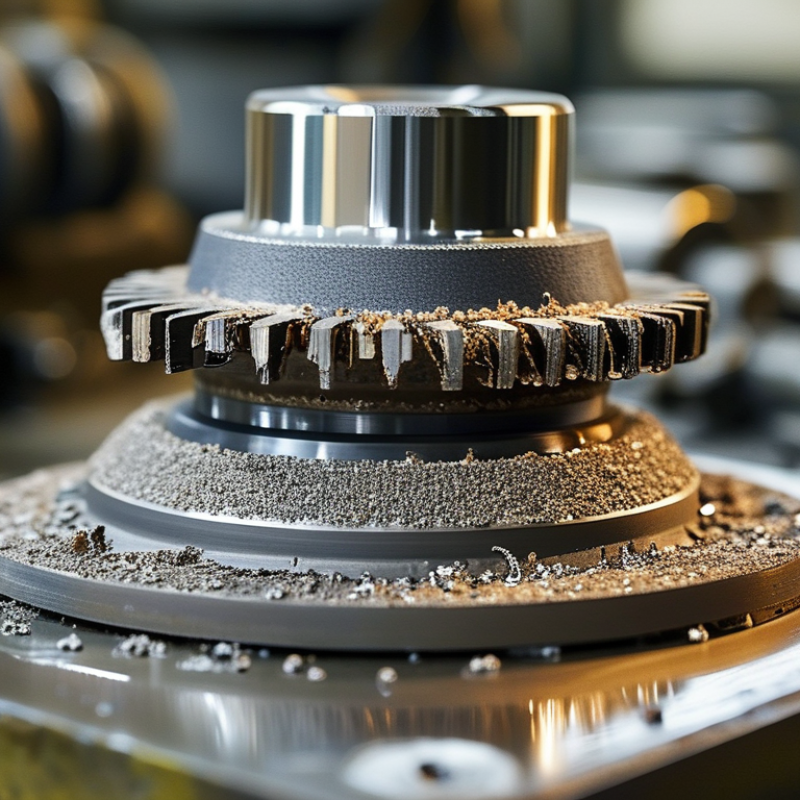
Why are magnetic polishing machines essential for small parts?

The Role of Magnetic Polishing Machines in Surface Finishing

Magnetic polishing machines are vital for achieving superior surface finishes on small parts. These machines use magnetic abrasive particles to polish surfaces uniformly. This polishing method is efficient and reduces the risk of scratches compared to traditional methods. As a result, small components benefit from enhanced appearance and performance.

Tips for optimal usage include ensuring the right abrasive type for your specific materials. The size and shape of the parts also play a role in achieving desirable results. It is crucial to monitor the polishing time. Over-polishing can lead to unwanted surface wear. Under-polishing might not give the desired finish.

Pay attention to the machine settings, such as speed and magnetic field strength. Inconsistent settings can lead to uneven finishes. Regular maintenance of the machine ensures longevity and reliability in production. Observing the process can highlight areas for potential improvement, leading to better results. Embrace small imperfections as learning opportunities to refine your techniques further.

Importance of Magnetic Polishing Machines in Surface Finishing of Small Parts

This chart represents the importance level of various factors regarding magnetic polishing machines in the surface finishing process for small parts. The factors include speed of polishing, surface smoothness, time efficiency, cost-effectiveness, and versatility, evaluated on a scale of 1 to 10.

Advantages of Magnetic Polishing for Small Parts Manufacturing Efficiency

Magnetic polishing machines play a crucial role in improving manufacturing efficiency for small parts. They utilize magnetic spheres, which move freely in a polishing chamber. This movement allows for a unique polishing process that can reach intricate surfaces of small components effectively. The gentle yet effective action reduces burrs and surface imperfections without damaging the parts.

One major advantage of magnetic polishing is the time saved in production. Traditional methods of polishing often require manual labor and can be tedious. Magnetic polishing is automated, which speeds up the process significantly. This efficiency translates to lower operational costs and more consistent results. The capacity to handle delicate parts precisely also enhances the reliability of the finished product.

However, it's crucial to acknowledge some challenges. Not all materials respond equally to magnetic polishing. Some may require pre-treatment to achieve optimal results. This can complicate the overall process and require careful planning. Addressing these imperfections can lead to a more tailored approach in manufacturing practices, ensuring the highest quality for end users.

Industry Statistics: Impact of Polishing Machines on Production Rates

Magnetic polishing machines play a crucial role in optimizing production rates for small parts. These machines enhance surface finish and reduce manufacturing time significantly. By utilizing magnetic abrasive technology, they polish intricate shapes that traditional methods may struggle with. This efficiency is vital, particularly in industries like automotive and aerospace, where precision and quality cannot be compromised.

Industry statistics show that implementing magnetic polishing machines can boost production rates by up to 30%. This improvement can lead to increased output and reduced labor costs. Manufacturers adopting these machines often report lowered rejection rates, saving both time and resources. Markedly, the investment in magnetic polishing technology can provide a rapid return on investment through enhanced productivity.

Tip: Regularly maintain your polishing machines to prevent downtime. Keep abrasives clean for optimal performance. It's also wise to monitor production rates closely. This helps identify bottlenecks early and improve efficiency. Reflect on your current processes. Are you utilizing polishing technology to its full potential? Finding gaps can lead to significant improvements in quality and output.

Comparative Analysis: Magnetic Polishing vs. Traditional Finishing Methods

Magnetic polishing machines are revolutionizing how small parts are finished. This method offers precision and efficiency compared to traditional techniques. Traditional finishing often relies on manual processes, which can introduce variability. A 2022 industry report showed that businesses using magnetic polishing achieved a 30% increase in consistent surface quality.

Comparatively, magnetic polishing can significantly reduce processing time. While traditional methods may take hours, magnetic polishing can complete tasks in minutes. This speed allows companies to meet growing demands without compromising quality. According to a manufacturing analysis, 70% of surveyed companies reported lower production costs after adopting magnetic polishing.

However, challenges remain. Operators must ensure optimal setup to prevent over-polishing. Improper use can lead to surface damage, creating a need for operator training. Additionally, not every material responds well to magnetic polishing. Understanding material specifications is crucial for effective use. A balance of techniques may be essential to achieve the best results in various manufacturing contexts.

Why are magnetic polishing machines essential for small parts? - Comparative Analysis: Magnetic Polishing vs. Traditional Finishing Methods

Feature Magnetic Polishing Traditional Finishing
Processing Time Shortened (minutes) Lengthy (hours)
Surface Finish Quality Superior (high polish) Variable (depends on method)
Material Versatility Wide range of materials Limited (specific materials)
Labor Intensity Low (automated) High (manual labor)
Cost Efficiency High (lower operational costs) Potentially high (depends on method)
Environmental Impact Reduced waste Higher waste output
Setup Complexity Moderate (quick setup) Complex (varies by process)

Key Applications of Magnetic Polishing Machines in Precision Engineering

Magnetic polishing machines play a crucial role in precision engineering, especially for small parts. These machines utilize magnetic fields to finely polish components, enhancing surface finish and reducing roughness. In applications requiring high precision, such as aerospace and medical devices, the ability to achieve a consistent and smooth finish is critical. Magnetism allows for a more efficient process, often yielding superior results compared to manual polishing.

One key application is in the manufacturing of intricate small parts, where traditional polishing methods may falter. The non-contact nature of magnetic polishing minimizes the risk of damage to delicate features. However, achieving optimal results requires proper calibration and an understanding of the materials being polished. Over-polishing can lead to undesired effects, such as shape distortion. It is essential for operators to evaluate each component's needs carefully.

Additionally, magnetic polishing machines are not without their challenges. They can pose difficulties in managing the media used for polishing. Selecting the right media can mean the difference between success and failure. This highlights the importance of experience and expertise in an engineering team's approach. Emphasizing training and adaptation in technique is vital to fully harness the benefits of these machines.

FAQS

: What are the benefits of using magnetic polishing machines?

: They provide uniform surfaces, reduce scratches, and enhance appearance for small parts.

How should one select the right abrasive for magnetic polishing?

Choose abrasives based on specific materials, considering both size and shape for optimal results.

What can happen if parts are over-polished?

Over-polishing can lead to unwanted wear and shape distortion, affecting the part’s functionality.

Why is monitoring machine settings important?

Inconsistent settings can create uneven finishes, impacting the overall quality of the polished parts.

What are the challenges of magnetic polishing machines?

Some materials may need pre-treatment, complicating processes and requiring careful planning.

How does magnetic polishing improve manufacturing efficiency?

It automates polishing, saving time and reducing operational costs while ensuring consistent results.

What special considerations are needed for delicate parts?

The non-contact nature minimizes damage risk, but requires careful calibration for optimal results.

What role does regular maintenance play in magnetic polishing?

It ensures machine longevity and reliability, allowing for more consistent performance in production.

Can every material be polished using magnetic polishing machines?

No, materials vary in responsiveness; knowing this helps refine manufacturing practices more effectively.

How can operators improve their magnetic polishing techniques?

Embracing small imperfections as learning opportunities can enhance skill and adaptability in polishing.

Conclusion

Magnetic polishing machines have emerged as indispensable tools in the realm of precision engineering, particularly for the finishing of small parts. The role of these machines is crucial in enhancing the surface quality and ensuring uniformity, which is essential for manufacturing efficiency. Their popularity is rapidly increasing due to their ability to dramatically reduce production times while achieving superior finish quality compared to traditional methods.

Why are magnetic polishing machines becoming popular for small parts? They offer significant advantages in terms of speed, consistency, and the ability to reach intricate geometries that are often challenging for conventional polishing processes. Additionally, industry statistics illustrate that the implementation of magnetic polishing machines leads to notable improvements in production rates, making them a preferred choice for manufacturers aiming to optimize their operations in the competitive landscape of small parts fabrication.

Aria

Aria

Aria is a dedicated marketing professional with a deep passion for innovative strategies and a keen understanding of our company's product offerings. With a wealth of experience in the industry, Aria excels at crafting engaging content that highlights the unique features and benefits of our......