The quality of steel materials is crucial in various industries, from construction to automotive manufacturing. Understanding "what factors affect steel material quality" is essential for professionals seeking to enhance product durability and performance. According to a report by the World Steel Association, the global demand for high-quality steel is projected to rise by 30% in the next decade. This increasing demand highlights the need for industry experts to explore key influences on steel quality.
Dr. Emily Zhang, a prominent metallurgical engineer, emphasizes, "The chemical composition and manufacturing process play crucial roles in determining the quality of steel." This statement underscores the significance of raw material selection and production techniques. Variations in alloy elements, for example, can lead to substantial differences in strength and corrosion resistance.
Additionally, external factors such as environmental conditions and quality control measures affect the end product. Despite advancements, many industries still struggle with inconsistent steel quality. This inconsistency calls for ongoing research and improvements. Addressing these challenges will be vital for meeting future steel demands.
Raw Materials and Their Impact on Steel Quality
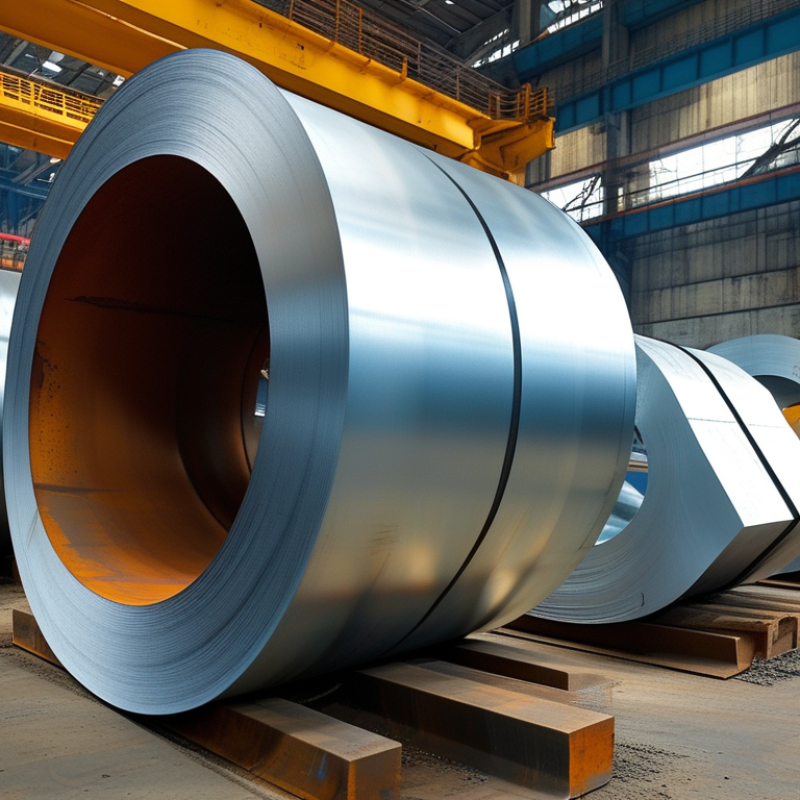
The quality of steel materials is profoundly influenced by the raw materials used in their production. Iron ore, a primary ingredient, contains varying levels of impurities. These impurities can affect the strength and durability of the final product. High-quality iron ore leads to stronger steel, while lower-quality ore can result in weaknesses. Other materials, such as scrap steel, play a significant role as well. The cleanliness and composition of scrap highly impact the properties of the new steel.
Additionally, additives like carbon and manganese are crucial in steel manufacturing. Carbon content affects hardness and tensile strength; too much carbon can lead to brittleness. Manganese helps in steel’s resistance to wear and its ability to withstand shock. The balance of these elements must be closely monitored to achieve the desired steel characteristics. Poor quality control in raw materials not only compromises structural integrity but can lead to safety concerns in applications.
The sourcing of raw materials is another area that requires reflection. It’s important to consider the environmental impact and sustainability of extraction processes. Some suppliers may cut corners, which could affect the quality. A transparent supply chain can help ensure that only optimal materials are used in steel production. Such practices contribute to higher quality standards and support a more sustainable industry.
Manufacturing Processes Affecting Steel Performance
The manufacturing processes used in steel production play a crucial role in determining the overall quality of the material. Initially, the choice of raw materials significantly affects steel performance. Impurities in iron ore can lead to weaknesses in the final product. Using high-quality iron ore is essential, yet not always feasible.
Heat treatment processes also have a major impact. Techniques like quenching and tempering alter the microstructure of steel. These changes can enhance hardness but may also introduce brittleness. It’s a delicate balance that requires expertise and precision. Furthermore, welding techniques vary widely and can influence the integrity of the joints. Poor welding can create weak points that compromise the entire structure.
Moreover, environmental factors are often overlooked. Variations in temperature and humidity during production can affect the cooling rates of steel, leading to different properties. These subtle details may seem minor but can have lasting effects on performance. Each decision in the manufacturing process must be made carefully to ensure the reliability of the final product. Understanding these influences is key to improving steel quality.
Heat Treatment Techniques and Steel Integrity
Heat treatment significantly impacts the quality of steel materials. Various techniques affect steel's microstructure, leading to improvements in strength and hardness. For instance, studies show that quenching can enhance yield strength by up to 20%. Tempering subsequently reduces brittleness while maintaining desirable hardness levels. This intricate balancing act, however, can go wrong. Too high a tempering temperature may lead to loss of hardness.
The integrity of steel depends largely on its heat treatment process. Improperly executed techniques can introduce residual stresses or microstructural defects. These flaws compromise the material’s performance, especially under dynamic loads. Data indicates that 15-30% of industrial failures stem from inadequate heat treatment. Knowing the right parameters is crucial. Whether it's the temperature or cooling rates, small variations can lead to significant discrepancies in the final product.
Furthermore, monitoring the heat treatment environment plays a key role. Contamination from other materials can negatively influence outcomes. Research emphasizes maintaining clean atmospheres to ensure optimal results. The need for better tracking and analysis in heat treatment underscores the necessity for ongoing industry improvement. Operators must refine their techniques and adapt to new challenges. Quality in steel is a continuous journey.
What Factors Influence the Quality of Steel Materials? - Heat Treatment Techniques and Steel Integrity
| Factor |
Description |
Impact on Quality |
| Heat Treatment |
Processes such as annealing, quenching, and tempering to alter mechanical properties. |
Improves strength, ductility, and hardness. |
| Chemical Composition |
Elements such as carbon, manganese, and silicon determine steel's properties. |
Affects tensile strength, corrosion resistance, and workability. |
| Microstructure |
The arrangement of phases such as ferrite and pearlite within steel. |
Influences toughness and fatigue resistance. |
| Impurities |
Presence of unwanted elements like sulfur and phosphorus can degrade quality. |
Can lead to brittleness and reduced durability. |
| Processing Method |
Techniques such as forging, welding, and casting affect the final product. |
Impacts integrity, performance, and application suitability. |
Testing and Standards for Quality Assurance in Steel
The quality of steel materials hinges significantly on rigorous testing and adherence to established standards. Various testing methods assess the properties of steel, such as tensile strength and ductility. Each method plays a crucial role in ensuring that the materials meet specific requirements for different applications. For example, ultrasonic testing can reveal internal flaws that visual inspections may miss.
Standards for quality assurance in steel production are vital for maintaining reliability. Organizations develop these standards to create a uniform framework for quality assessment. However, not all steel producers may comply with these standards consistently. There are instances where the desire to cut costs can lead to subpar quality, risking structural integrity. Regular audits and inspections become necessary to address these gaps.
Practitioners in the steel industry must focus on both the compliance aspect and the consistency of quality testing. Training staff and investing in advanced testing technologies are critical steps. Nonetheless, the industry faces challenges in keeping pace with evolving standards. Awareness and continuous education are essential to adapt to these changes and maintain the quality of steel materials.
Environmental Factors Influencing Steel Material Quality
Environmental factors significantly influence the quality of steel materials. Air quality is a crucial aspect. High levels of pollutants can affect the steel's chemical composition. For instance, sulfur and nitrogen oxides lead to defects in the final product. Even slight variations in these elements can result in weak points during use.
Weather conditions play a role as well. Extreme temperatures, both hot and cold, can change how steel is processed. In cold climates, steel may become brittle, impacting its durability. High humidity can introduce moisture, leading to corrosion. These changes often challenge manufacturers to meet strict quality standards.
Water quality is another factor often overlooked. Impurities in the water used during production can introduce harmful contaminants. This can alter the mechanical properties of steel, affecting its strength and flexibility. Manufacturers must be diligent in monitoring these environmental aspects to ensure effective steel production. Addressing these challenges requires ongoing evaluation and adjustment in processes.
Influence of Environmental Factors on Steel Material Quality
FAQS
: Impurities in iron ore can weaken the final product. Using high-quality materials is essential but often challenging.
Heat treatment alters steel's microstructure. Techniques like quenching enhance hardness but can introduce brittleness.
Welding methods vary and can affect joint strength. Poor welding practices create weak points in the structure.
Air quality can change steel's chemical composition. Pollutants like sulfur may lead to defects in the final product.
Extreme temperatures can affect processing. Cold climates may make steel brittle, while high humidity can cause corrosion.
Impure water can introduce harmful contaminants. This impacts steel’s strength and flexibility, affecting performance.
They need to monitor raw materials, heat treatment, and environmental conditions carefully. It requires ongoing adjustments.
Meeting strict quality standards is difficult due to environmental variations. Continuous evaluation is necessary for success.
Conclusion
The quality of steel materials is influenced by a variety of factors that can significantly affect their performance and integrity. One of the primary considerations is the selection of raw materials; the type and purity of iron ore, along with alloying elements, play a crucial role in determining the final properties of the steel. Additionally, the manufacturing processes, such as melting, casting, and forming, directly impact the microstructure and mechanical properties of the steel.
Heat treatment techniques are also essential, as they can enhance the strength and ductility of the material. Moreover, consistent testing and adherence to quality assurance standards help ensure that the steel meets the necessary specifications. Lastly, environmental factors, such as moisture and temperature during storage and use, can further influence the quality of steel materials. Overall, understanding what factors affect steel material quality is vital for producing reliable and high-performing steel products.

 Sandstorm Steel