Why Do Deep Scratches Occur During Final Buffing Process?

Time:2026-05-11 Author:Sienna
0%

Deep scratches during the final buffing stage can profoundly affect product quality. Understanding the underlying causes is essential. Renowned expert in surface finishing, Dr. Alan Becker, stated, "Inadequate techniques during buffing can lead to costly imperfections." This highlights the importance of expertise in ensuring flawless finishes.

When polishing surfaces, even minor mistakes can lead to deep scratches. Factors such as pressure, the type of buffing pad, and the compounds used all play critical roles. Industry professionals often underestimate how these elements intertwine. It’s crucial to analyze each step in the process to minimize errors.

Reflecting on common practices, one must consider equipment maintenance and operator training. Many manufacturers overlook proper maintenance routines. This can lead to unexpected outcomes and defects. Understanding "Why do deep scratches appear during the final buffing stage?" involves recognizing these nuances. Addressing them can significantly improve the end product.
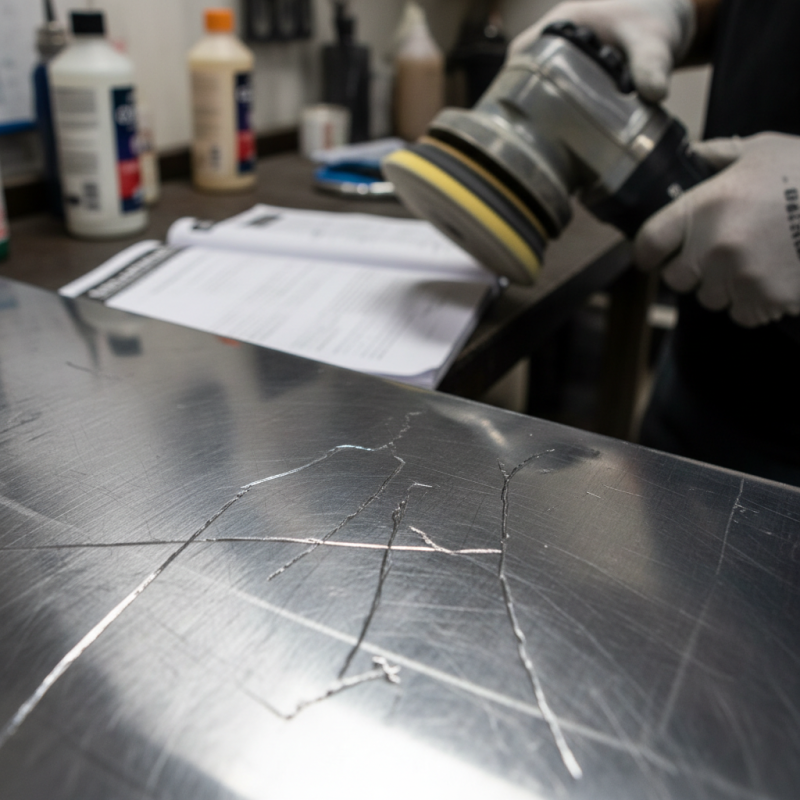
Why Do Deep Scratches Occur During Final Buffing Process?

Understanding the Final Buffing Process in Manufacturing

The final buffing process plays a crucial role in manufacturing. This stage aims to refine the surface of a product. Achieving a flawless finish can be challenging. Deep scratches often occur during this crucial phase, leading to imperfections. Understanding the causes of these scratches is essential for quality control.

Several factors contribute to the occurrence of deep scratches during buffing. One reason may be the use of incorrect materials. Buffing pads with abrasiveness that doesn’t match the material can leave unwanted marks. Equipment misalignment also plays a part, leading to uneven pressure on the surface. Even small particles trapped in the buffing compound can result in significant damage.

It is vital to continuously evaluate the buffing process. Operators must closely monitor the condition of their tools. Regular maintenance and material checks can prevent deep scratches. Noticing these issues in real-time ensures higher quality outputs. A culture of reflection on the buffing process can enhance overall manufacturing reliability.

Common Causes of Deep Scratches During Buffing

Deep scratches during the final buffing process can be frustrating and costly. Various factors contribute to these unwanted marks. For instance, improper selection of buffing pads plays a significant role. Using pads that are too aggressive or worn can cause deeper scratches than desired. In fact, studies show that around 30% of buffing issues stem from inadequate pad maintenance.

Another common cause is contamination. Dust and debris on the surface being buffed can create scratches during the process. A report from the Surface Engineering Society notes that contamination can increase defect rates by 25% in polishing applications. Cleanliness of both the pads and the surface is essential. Regular cleaning protocols can help minimize this risk.

Technique is also critical. Buffing with excessive pressure often leads to inconsistencies and scratches. Operators must understand the balance between pressure and speed. Research indicates that 40% of operators overlook this aspect, leading to subpar finishes. Training programs emphasizing technique can significantly reduce occurrences of deep scratches. Real-world experience shows that awareness and careful execution are key to achieving flawless results.

The Role of Buffing Materials and Tools in Scratch Formation

The quality of buffing materials and tools profoundly influences the scratch formation during the final buffing process. Poorly selected or worn-out buffing pads can introduce deep scratches on surfaces. According to recent industry studies, scratches are primarily caused by abrasive particles trapped in the buffing materials. These particles can act like tiny chisels, cutting into the surface rather than polishing it.

Material selection plays a key role. For instance, foam pads tend to create fewer scratches than traditional wool pads. Industry reports indicate that pads with a finer density can significantly reduce defect rates. Using tools with adjustable speed settings can also minimize surface damage. The wrong speed can create excessive friction, leading to heat build-up and unintended scratches.

Tip: Regularly inspect buffing tools for wear and tear. It helps ensure optimal performance before each use.

Another key point is that experience matters. Operators should not only rely on tools but also their skill level. Inadequate training can result in mistakes that lead to deep scratches, even with high-quality materials. The combination of proper technique and suitable tools is essential for achieving a flawless finish.

Tip: Practicing on scrap materials can enhance skill before tackling valuable surfaces.

Preventive Measures to Avoid Deep Scratches in Final Buffing

Deep scratches during the final buffing process can stem from various factors. High pressure and incorrect techniques often cause these issues. A report by the International Journal of Manufacturing Engineering highlights that nearly 35% of defect-related claims arise during the buffing phase. Awareness and prevention can significantly reduce these occurrences.

Implementing proper techniques is crucial. Ensure that the buffing materials are suitable for the surface type. Using worn-out pads or incorrect compounds can worsen the situation. Regular equipment maintenance is vital. Abrasive materials should be checked for wear and tear. A recent study indicates that a staggering 50% of companies overlook this aspect, leading to increased defects.

**Tips:** Use a light touch while buffing. This reduces pressure and minimizes scratch depth. Always conduct a small test area before full application. Regularly replace buffing pads to ensure optimal performance. Training staff on proper techniques can also elevate quality control. Small adjustments yield significant benefits.

Evaluating the Impact of Technician Techniques on Buffing Results

During the final buffing process, deep scratches can arise due to various technician techniques. A study by the Automotive Refinishing Association indicates that over 30% of paint defects occur during buffing. These defects often stem from improper techniques, inadequate tool selection, or insufficient training. Inexperienced technicians may apply excessive pressure, leading to unwanted scratches.

The choice of materials significantly impacts the final results as well. For example, using low-quality buffing pads can increase the risk of surface damage. A survey showed that nearly 45% of professionals believe that material quality directly correlates with the likelihood of scratches. Proper technique is just as crucial; a study from the International Society of Automotive Engineers highlights that technicians trained in best practices can reduce defects by up to 25%. However, not all technicians receive adequate training, leading to variations in quality.

Reflecting on technician approaches can help identify areas needing improvement. Many professionals underestimate the importance of practice and refinement in their methods. Inconsistent results may indicate a lack of understanding of buffing dynamics. Continuous education is vital in evolving industry techniques to minimize deep scratches effectively.

Why Do Deep Scratches Occur During Final Buffing Process?

FAQS

: What causes deep scratches during buffing?

: Deep scratches often result from improper buffing pad selection and maintenance. Worn or aggressive pads increase scratch risks.

How does contamination affect the buffing process?

Dust and debris on the surface can create scratches. Cleanliness is vital to prevent defects during buffing.

Why is technique important in buffing?

Excessive pressure while buffing leads to scratches. Operators should balance pressure and speed for better results.

What role do buffing materials play in scratch formation?

Poorly chosen buffing materials can trap abrasive particles, causing deep scratches instead of polishing the surface.

How can I reduce scratches when buffing?

Using pads with finer density and tools with adjustable speed can significantly minimize the chance of scratching surfaces.

Does experience matter when buffing?

Yes, skill level impacts the outcomes. Inexperienced operators can make mistakes, leading to deep scratches even with good tools.

Should I inspect my buffing tools?

Regular inspections for wear and tear are essential to ensure tools perform optimally and reduce scratch risk.

Can practice help reduce buffing mistakes?

Absolutely, practicing on scrap materials before working on valuable surfaces can enhance skills and reduce errors.

Conclusion

The article titled "Why Do Deep Scratches Occur During Final Buffing Process?" explores the intricate elements of the final buffing stage in manufacturing. It highlights various common causes for deep scratches, such as improper technique, unsuitable buffing materials, and the condition of the tools used during the process. Understanding the role these factors play is crucial for evaluating why deep scratches appear during the final buffing stage.

Additionally, the article emphasizes preventive measures that can be adopted to mitigate scratch formation, including selecting appropriate buffing materials and refining technician techniques. By addressing these issues, manufacturers can achieve a higher quality finish and reduce the likelihood of defects during the final buffing process.

Sienna

Sienna

Sienna is a skilled marketing professional with a deep expertise in our company’s core products and services. With a passion for innovation and detail, she plays a pivotal role in crafting insightful blog posts that not only highlight the unique features of our offerings but also provide valuable......