The orange peel effect on polished metal surfaces is a perplexing issue faced by manufacturers and craftsmen alike. This surface imperfection can significantly impact aesthetics and functionality. Industry reports indicate that as much as 30% of surface finish defects result from this phenomenon, highlighting its prevalence. Understanding what causes "orange peel" effects on polished metal surfaces is crucial for achieving high-quality finishes.
Several factors contribute to the emergence of this effect. Temperature fluctuations during the polishing process can cause uneven surface tension. Additionally, the choice of abrasives and polishing techniques plays a significant role in surface quality. Research shows that inadequate control over these variables can lead to defects that compromise the integrity of the final product.
Despite technological advancements, the causes of orange peel remain an area needing further exploration. Manufacturers must continually refine their techniques to minimize imperfections. Addressing this challenge requires a combination of technical expertise and meticulous attention to detail. Efforts must focus on both equipment enhancements and better material selection to ensure polished metal achieves the desired visual and functional characteristics.
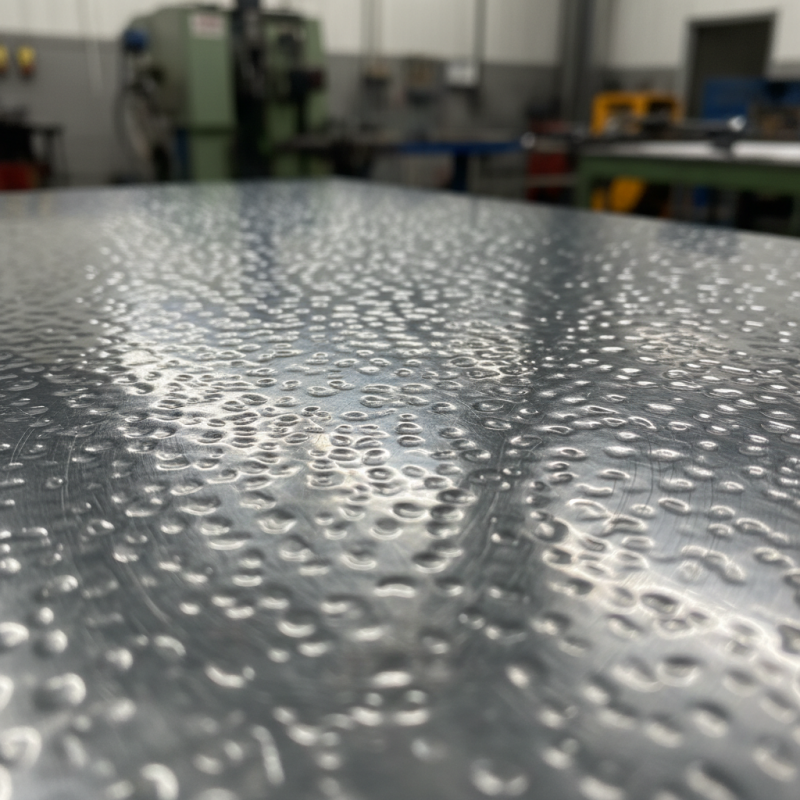
The orange peel effect refers to a texture that appears on polished metal surfaces, resembling the skin of an orange. This defect occurs due to various factors in the coating and finishing processes. When metal is polished, inconsistencies in surface smoothness can lead to an uneven appearance. A study by the American Society for Metals indicates that the orange peel effect is prevalent in coatings, with about 15% of polished surfaces exhibiting this flaw.
The characteristics of the orange peel effect can often be traced back to improper techniques during polishing or application of protective coatings. The effects arise from insufficient leveling agents in the paint or variations in the substrate surface. For example, research highlights that high temperature during application can exacerbate this texture. Additionally, environmental conditions, such as humidity and air flow, play a crucial role in the final appearance.
In summary, the orange peel effect is a common issue in polished metals, impacting aesthetic appeal. Its prevalence is a reminder of the importance of refining processes in manufacturing. Even seasoned professionals face challenges in achieving flawless finishes. A commitment to continuous improvement is vital in addressing these imperfections and enhancing the overall quality of finished products.
The chart above illustrates the impact levels of various causes contributing to the orange peel effect on polished metal surfaces. Surface imperfections have the highest impact level, followed by inadequate coating and improper application methods.
Achieving a flawless polished metal surface requires meticulous surface preparation. This step plays a critical role in determining the final finish. Imperfections in the underlying surface, such as scratches or contaminants, can lead to the orange peel effect. This results in a textured appearance that differs from the desired smoothness.
Proper cleaning and sanding of the metal surface are essential first steps. Using the right grit sandpaper can help eliminate deeper scratches. However, over-sanding can create additional imperfections. So, balance is key. The next step often involves applying a suitable polishing compound. If the compound is inappropriate or applied unevenly, it may exacerbate the orange peel effect.
Attention to detail during preparation makes all the difference. Even environmental factors, like humidity, can impact the polishing process. It’s easy to overlook these variables, leading to unexpected results. A reflective surface is not just about polish; it’s a combination of preparation and technique. The pursuit of a perfect finish is an ongoing journey, filled with lessons. Every polished surface tells the story of its preparation.
The orange peel effect on polished metal surfaces is a concern for manufacturers. It results from various factors during the finishing process. One significant factor is temperature fluctuations. When metal is subjected to heat and cool cycles, the surface can warp, leading to the distinct appearance of orange peel.
Another contributor is coating thickness. According to industry reports, a coating that is too thick can distort the surface. This is particularly true for metals painted with high-solid coatings. A study showed that a thickness of over 60 microns often results in visible imperfections. The evenness in application plays a critical role here.
Moreover, environmental humidity can also impact the outcome. High humidity levels can lead to improper drying, increasing the likelihood of the orange peel effect. Research indicates that maintaining humidity levels between 30% and 50% can improve surface finish quality significantly. Recognizing these factors allows professionals to reflect on their processes and adapt accordingly, aiming for smoother outcomes while understanding that perfection is not always achievable.
| Factor | Description | Impact Level |
|---|---|---|
| Surface Preparation | Inadequate cleaning and preparation can lead to defects during polishing. | High |
| Temperature | Extreme temperatures can cause uneven expansion and affect the polish. | Medium |
| Polishing Technique | Improper polishing methods can result in an uneven finish. | High |
| Material Composition | Different metal alloys react differently to polishing processes. | Medium |
| Humidity | High humidity can affect the adhesion and drying of the polish. | Low |
| Polish Quality | Using low-quality polish can lead to a poor finish and orange peel. | High |
Orange peel effect on polished metals can be frustrating. It manifests as a bumpy, uneven surface, detracting from the intended aesthetic. This condition often arises from improper application techniques or material incompatibility. However, addressing and preventing this issue requires a deep understanding of metal polishing processes.
Effective treatment begins with identifying the underlying cause. Adjusting polishing techniques can lead to better results. For instance, using consistent pressure and avoiding excessive heat can enhance the surface quality. Also, selecting the right abrasive materials is crucial. Frequent evaluation of these factors during the polishing process can prevent the orange peel effect from surfacing.
Prevention strategies are essential for maintaining polished metals. Maintaining ideal environmental conditions is key. High humidity or temperature fluctuations can negatively impact the finishing process. Regular training for technicians on best practices also plays a vital role. Such measures can foster a culture of continuous improvement. Recognizing that even small details matter helps in ensuring a flawless finish.
The quality of metal polishing is heavily influenced by environmental conditions. Humidity, temperature, and air quality can all alter the polishing process. For instance, high humidity can introduce moisture, leading to a dull finish rather than a brilliant shine. Cold temperatures might slow down the polishing speed, leaving surfaces less refined. These factors can easily compromise the desired outcome.
Additionally, pollutants in the air can settle on the metal surface during polishing. Dust and dirt can create a barrier, leading to an uneven or orange peel effect. Improper ventilation in the workspace can exacerbate this issue. Even small particles can significantly affect the final result. The environment must support an optimal polishing process.
Time and experience play crucial roles in achieving a polished surface. Knowing how to adjust techniques based on environmental cues is vital. For example, a professional might choose different polishing compounds based on humidity levels. Reflection on past projects can help identify patterns in environmental impact. This leads to constant improvement in techniques and outcomes.
: Surface preparation is critical for achieving a flawless finish. It directly affects the final result.
Imperfections like scratches and improper application techniques can lead to the orange peel effect.
Use consistent pressure and avoid excessive heat during polishing. This improves surface quality.
The right abrasive material ensures effective polishing. It helps prevent surface issues like the orange peel effect.
Humidity and temperature can alter polish quality, leading to a dull finish or slow polishing speed.
Regular training on best practices helps technicians improve skills and adapt to changing conditions.
An ideal environment has controlled humidity and temperature to support the polishing process.
Yes, dust and dirt can settle on the surface, causing an uneven finish or orange peel effect.
Experience helps in adjusting techniques based on environmental conditions for better outcomes.
Focus on details, technique, and environmental factors to ensure a smooth, reflective finish.
The article titled "What Causes Orange Peel Effect on Polished Metal Surfaces?" delves into the phenomenon known as the orange peel effect, characterizing it as a textured surface appearance that resembles the skin of an orange. The initial section clarifies the definition and characteristics of this effect, setting the stage for a deeper exploration of the underlying causes. A crucial aspect discussed is the role of surface preparation, emphasizing that inadequate prepping can exacerbate the issue when polishing metals.
Factors contributing to the orange peel effect include inconsistencies in the metal substrate, variations in polishing techniques, and the influence of environmental conditions such as temperature and humidity. The article outlines treatment and prevention strategies, highlighting that proper preparation, controlled polishing parameters, and environmental management can significantly mitigate the orange peel effect. By understanding what causes orange peel effects on polished metal surfaces, one can enhance the final quality and aesthetics of metal finishes.

Sandstorm Steel