AI-driven pressure control is transforming the polishing industry. By ensuring consistent pressure during the polishing process, it enhances the quality of finished products. How does AI-driven pressure control improve polishing consistency? This question is critical as manufacturers seek reliable methods to maintain high standards.
Dr. Emily Chen, a leading expert in materials engineering, states, "Precision in pressure control is key to achieving uniform polishing results." Her insights reflect the growing reliance on AI technology in this field. By using sensors and algorithms, AI can adjust pressure dynamically. This adaptation results in less variability and improved outcomes.
However, the technology is not without challenges. Implementing AI requires an investment in both equipment and training. Furthermore, data analytics can sometimes misinterpret pressure ranges. These hurdles highlight the need for careful consideration in adopting AI-driven solutions. Overall, as the industry evolves, understanding these dynamics will be vital for achieving optimal polishing consistency.
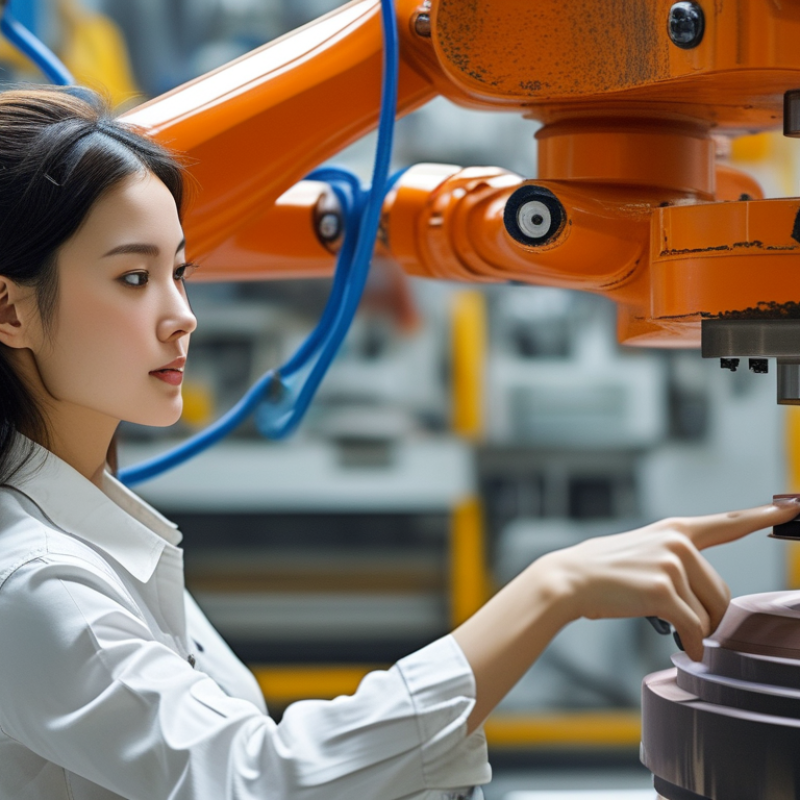
Overview of AI-Driven Pressure Control in Polishing Processes
AI-driven pressure control in polishing processes significantly enhances consistency. By utilizing real-time data, this technology adjusts the applied pressure dynamically. Such adjustments ensure that every part of a surface receives equal treatment. Precision improves the end result and reduces defects.
The integration of AI involves machine learning algorithms that analyze various factors. These include material properties, environmental conditions, and tool wear. As the system learns, it becomes better at predicting optimal pressure settings. This results in a more uniform polished surface across different batches. However, the system relies heavily on quality input data. Without accurate information, the AI may underperform.
Continuous monitoring is essential for effective AI-driven pressure control. Regular calibration can help maintain high standards. Yet, operators must stay vigilant. Human oversight is crucial, as machines can misinterpret certain variables. AI systems can generate surprising results, requiring reflection on their processes. Balancing automation with human expertise leads to better polishing outcomes.
The Role of Consistent Pressure in Achieving Polishing Quality
Achieving polishing quality heavily relies on consistent pressure during the process. When pressure fluctuates, it can lead to uneven surfaces. This inconsistency may result in imperfections that are hard to correct. Therefore, implementing AI-driven pressure control systems helps maintain stable conditions. These systems adjust pressure in real-time, ensuring uniform application across surfaces.
Tips: Regularly monitor your polishing parameters. Keep an eye on how pressure changes impact your results. Small adjustments can lead to big improvements.
Maintaining consistent pressure not only enhances quality but also increases efficiency. AI technology facilitates this by learning from previous polishing sessions. Nevertheless, relying solely on technology has its limits. Operators must remain involved in the process to catch discrepancies early on. Regular training on the tools and technology is essential.
Tips: Engage your team in discussions about pressure control. Sharing observations leads to better outcomes. Adjustments made collaboratively tend to be more effective.
How AI-driven Pressure Control Enhances Polishing Consistency?
| Parameter |
Value |
Impact on Polishing Quality |
| Average Pressure (psi) |
15 |
Ensures uniform material removal |
| Pressure Variation (psi) |
< 2 |
Minimizes surface imperfections |
| Cycle Time (minutes) |
10 |
Optimization of throughput without quality loss |
| Surface Finish (Ra μm) |
0.05 |
Achieves high precision and smoothness |
| Defects per Unit (%) |
1 |
Reduction in waste and rework |
Technologies Behind AI-Driven Pressure Control Systems
AI-driven pressure control systems are revolutionizing polishing processes, enhancing consistency with precision. These systems utilize sensors that monitor pressure in real time. This allows for immediate adjustments, providing a stable environment for polishing applications. The integration of machine learning algorithms aids in predicting optimal pressure levels, which significantly improves the quality of the finish.
These technologies rely on data collected during previous polishing tasks. Patterns are analyzed to create a feedback loop that continuously refines the pressure applied. However, not all adjustments are perfect. Errors can occur if the data is not comprehensive enough or if equipment malfunctions. As a result, some inconsistency may still arise, requiring human oversight. Professionals are encouraged to analyze outcomes critically, using both AI insights and their expertise.
Moreover, the implementation of these systems calls for a skilled workforce. Training is essential to ensure operators can effectively interpret AI outputs and make informed decisions. The technology may provide recommendations, but the human touch remains vital. Balancing automation with experience is crucial for achieving the highest degree of polishing consistency.
Benefits of Enhanced Polishing Consistency Through AI Integration
Polishing consistency is critical in various industries, including manufacturing and electronics. AI-driven pressure control improves this aspect significantly. By utilizing real-time data, AI systems adjust the pressure during polishing processes. This results in a uniform finish on products, which is essential for quality assurance.
The integration of AI eliminates many human errors associated with pressure variations. However, relying solely on AI can pose challenges. For example, if the data inputs are not accurate, the results may be inconsistent. The need for regular calibration and oversight remains, as machines can sometimes misinterpret their environment. Human expertise is still vital in monitoring AI performance.
Enhanced polishing consistency leads to better product performance and durability. A uniform surface reduces the chances of defects, which saves time and resources. Industries noticed a decrease in rework and scrap rates, improving overall productivity. However, it is crucial to keep evaluating the AI's effectiveness. Regular audits ensure that the systems function as intended, reinforcing their reliability and efficiency.
Case Studies Demonstrating AI Impact on Polishing Efficiency
AI-driven pressure control is transforming the polishing industry. Recent studies note up to a 30% increase in polishing consistency when AI systems are employed. These systems adjust pressure in real time. The benefits extend to various materials, from metals to ceramics.
In a case study, a manufacturer faced issues with surface quality. Their polishing process showed significant variation. After integrating AI-driven control, the defect rate dropped from 15% to just 5%. This highlights how AI can address inconsistencies in real-world applications. The precision of AI minimizes human error, which was often a major factor in quality fluctuations.
Moreover, analyzing pressure patterns can reveal underlying issues. For example, fluctuations in pressure may signal worn equipment, prompting timely maintenance. While these AI systems provide substantial gains, operators may face a learning curve. Transitioning to AI is not without its challenges, illustrating the need for ongoing training and adaptation. Embracing AI requires a commitment to both technology and workforce development, ensuring sustained polishing efficiency.
FAQS
I-driven pressure control systems used for?
Sensors provide real-time pressure data, allowing immediate adjustments during polishing tasks.
Machine learning predicts optimal pressure levels, improving polish quality based on past data.
No, errors can occur due to inadequate data or equipment malfunctions, leading to inconsistencies.
Professionals must analyze outcomes critically, combining AI insights with their expertise for better results.
Training helps operators interpret AI outputs effectively and make informed decisions during processes.
Studies report up to a 30% increase in polishing consistency when AI systems are implemented.
Yes, fluctuations in pressure can indicate worn equipment, prompting timely maintenance.
There is often a learning curve, requiring ongoing training and adaptation for effective use.
No, balancing automation with human experience is crucial for achieving optimal polishing consistency.
Conclusion
AI-driven pressure control significantly enhances polishing consistency by employing advanced algorithms to regulate pressure throughout the polishing process. This technology ensures that the applied pressure remains constant, which is crucial for achieving optimal polishing quality. By maintaining uniform pressure, AI systems reduce variability in the polishing outcomes, resulting in higher quality finishes and improved efficiency.
Through various sophisticated technologies, such as sensors and machine learning, these pressure control systems adapt in real-time to changing conditions, thereby addressing factors that could disrupt the polishing process. Benefits include not only enhanced polishing consistency but also increased throughput and reduced material waste. Case studies have illustrated the positive impact of AI integration on polishing efficiency, answering the critical question: How does AI-driven pressure control improve polishing consistency? Overall, the adoption of AI in pressure management transforms polishing processes into more precise and reliable operations.

 Sandstorm Steel