Achieving Food Grade Surface Finish for Dairy Equipment How?

Time:2026-05-31 Author:Charlotte
0%

In the dairy industry, maintaining hygiene is crucial. Equipment surfaces must meet strict food safety standards. Hence, "How to achieve a food-grade surface finish for dairy equipment?" becomes a vital question. This process not only involves technical skills but also a deep understanding of material properties. Dairy equipment needs to prevent microbial growth. Smooth surfaces are essential for easy cleaning and sanitation.

Achieving a food-grade finish requires specialized techniques. This includes mechanical polishing and chemical treatments. It’s important to choose materials that are inherently resistant to contamination. However, the path is not always straightforward. Challenges often arise, such as surface imperfections or inadequate maintenance practices.

Reflections on current practices reveal room for improvement. Many facilities overlook regular training programs for staff. Without proper knowledge, maintaining these finishes becomes a daunting task. Therefore, fostering a culture of continuous learning is key. By addressing these factors, we can make significant strides in achieving durable and sanitary dairy equipment surfaces.
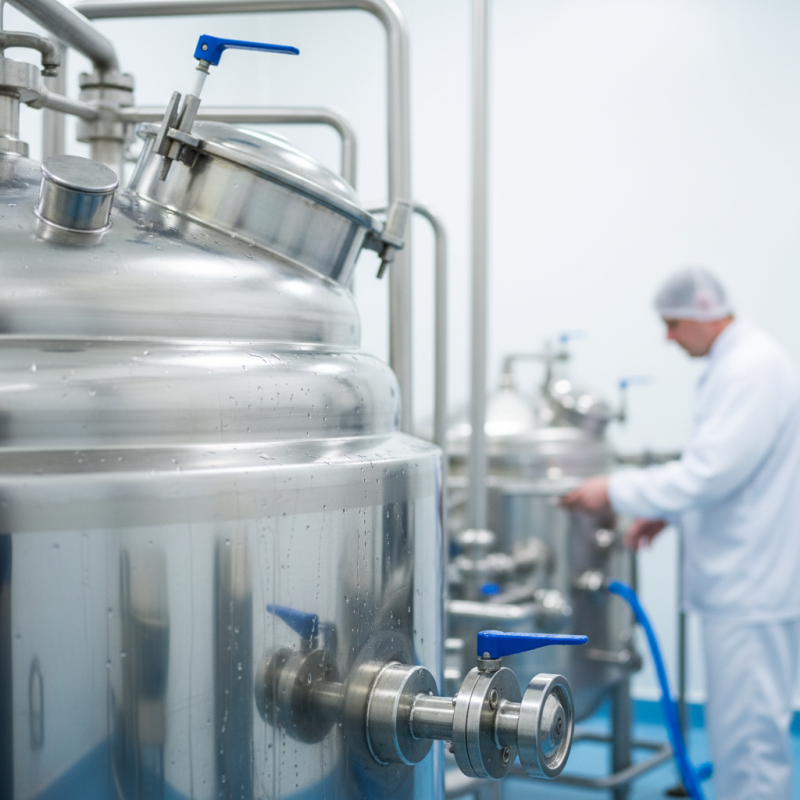
Achieving Food Grade Surface Finish for Dairy Equipment How?

Understanding the Importance of Food Grade Surface Finishes in Dairy Equipment

Achieving food grade surface finishes in dairy equipment is crucial for safety. Reports indicate that 48% of dairy processors face contamination risks due to inadequate surface finishes. Smooth surfaces minimize the risk of bacteria adhering to equipment. This is vital since dairy products are highly susceptible to spoilage.

Food grade finishes ensure compliance with stringent health standards. Dairy processors must meet regulations set by organizations like the FDA and the USDA. A study showed that equipment with proper finishes reduced microbial loads by over 30%. This highlights the importance of regular inspections and maintenance of dairy machinery.

While achieving these finishes, there are challenges. Many manufacturers struggle with material selection. Not all surfaces can withstand the cleaning processes without degrading. Inconsistent quality can lead to costly product recalls and damage to brand reputation. It’s essential to reflect on these issues and prioritize continuous improvement in production methods.

Key Standards and Regulations for Dairy Equipment Surface Finishes

The surface finish of dairy equipment is crucial for food safety and quality. Regulatory bodies, such as the FDA and USDA, set stringent standards for dairy operations. According to a report by Dairy Processing Magazine, achieving a Ra value (roughness average) of 32 microinches is necessary for stainless steel surfaces. This ensures minimal bacteria retention.

Surfaces must be non-porous and easy to clean. Standard regulations emphasize practices that minimize contamination risks. A survey by the International Dairy Foods Association noted that 78% of dairy plants face challenges in meeting these surface criteria. Proper finishing techniques, like electropolishing, can significantly enhance surface smoothness and hygiene.

Additionally, ongoing audits and inspections reveal that many facilities struggle with maintaining compliant finishes. It’s essential to reflect on equipment condition regularly. Operators must invest in proper maintenance and training. The gap in understanding surface specifications can lead to compliance failures and safety risks. Continuous education in this area is necessary for long-term success.

Methods for Achieving Food Grade Surface Finishes in Dairy Processing

Achieving food grade surface finishes in dairy processing is crucial for maintaining product safety and quality. Several key methods can be employed to reach these standards. One popular approach is electropolishing, a technique that smooths the surface by removing a thin layer of material. This process can significantly reduce surface roughness and minimize the risk of bacterial growth.

Another effective method is the use of specialized cleaning processes. High-pressure water jets combined with foam sanitation can help eliminate pathogens. It is essential to ensure that all equipment is inspected regularly for wear and tear, as damage can compromise the surface quality.

Tips: Always keep surfaces clean. Regular maintenance is key to preventing contamination. Consider staff training on best practices for sanitation. Remember, achieving the desired finish takes time. Reflect on the processes; not every method will yield perfect results. Evaluate and adjust as necessary. Continuous improvement is the goal.

Methods for Achieving Food Grade Surface Finishes in Dairy Processing

Common Materials Used for Dairy Equipment Surface Treatments

When it comes to dairy equipment, selecting the right materials for surface treatments is crucial. Stainless steel is often preferred due to its durability and resistance to corrosion. It offers excellent hygiene, essential for dairy applications. According to industry reports, the use of stainless steel can reduce bacteria by up to 99%. However, not all stainless steel grades are equal. Some manufacturers overlook the importance of choosing the right grade, leading to risks of contamination.

Another common material is polypropylene. This plastic is lightweight and resistant to various chemicals. Polypropylene surfaces allow for easier cleaning, but they may not withstand high temperatures like stainless steel. A 2021 study revealed a 30% increase in residue buildup on untreated polypropylene as compared to treated surfaces. This reflection on surface treatment choices underscores the necessity of rigorous testing and assessments.

Emerging materials, such as ceramics and composites, show promise as well. These materials can provide excellent smoothness and durability. Their cost-effectiveness is still a consideration. Research indicates that while ceramic surfaces significantly reduce bacterial adhesion, they can be more expensive. The industry must ensure cost doesn’t compromise safety and functionality in dairy equipment.

Best Practices for Maintaining Food Grade Surfaces in Dairy Operations

Achieving a food grade surface finish in dairy equipment is crucial for safety and quality. Maintaining these surfaces is an ongoing challenge. Regular inspections are essential. Routine cleaning keeps surfaces free from contaminants. However, achieving perfection in these processes can be elusive.

Tips for maintaining food grade surfaces include using non-abrasive cleaners. Harsh chemicals can cause wear over time. Check for damage or wear regularly. Even minor scratches can harbor bacteria. Ensure that staff is trained in proper cleaning techniques to prevent mistakes.

Ensure equipment is compatible with food grade standards. This avoids costly repairs and potential contamination. While it's easy to overlook older equipment, they can be a source of risk. Reflecting on the practices in your operation can lead to better outcomes. Regular audits can help identify areas needing improvement. Stay proactive in equipment management and surface maintenance.

FAQS

: Why are food grade surface finishes important in dairy equipment?

: They are crucial for safety and reduce contamination risks significantly.

How do smooth surfaces benefit dairy processing?

Smooth surfaces minimize bacteria adherence, which protects dairy products from spoilage.

What regulations must dairy processors comply with regarding surface finishes?

They must meet health standards set by organizations like the FDA and USDA.

What can happen if surface finishes are inadequate?

Inadequate finishes can lead to contamination, costly recalls, and damaged reputations.

What is electropolishing?

It is a technique that smooths surfaces, reducing roughness and bacterial growth.

How can specialized cleaning processes help?

They eliminate pathogens effectively, maintaining high surface quality.

What should be done to ensure the quality of dairy equipment?

Regular inspections for wear and tear are essential for maintaining surface quality.

How can staff training impact surface finish quality?

Proper training can enhance sanitation practices, leading to better safety outcomes.

What should processors remember about achieving food grade finishes?

It takes time and reflection; not every method will produce perfect results.

How can manufacturers prioritize continuous improvement?

They should evaluate and adjust their methods regularly for better outcomes.

Conclusion

Achieving a food-grade surface finish for dairy equipment is essential to ensure the safety and cleanliness of dairy products. Food-grade surfaces prevent contamination and facilitate easier cleaning and maintenance. Key standards and regulations outline the necessary requirements for these surfaces, emphasizing the importance of compliance.

To achieve a food-grade surface finish for dairy equipment, manufacturers can employ various methods, including electro-polishing and the application of specific protective coatings. Common materials used in surface treatments include stainless steel and other non-corrosive alloys that are known for their durability and resistance to bacteria. Implementing best practices for maintaining these surfaces is crucial in dairy operations to ensure long-lasting performance and compliance with industry standards. Regular inspections and effective cleaning protocols play a significant role in upholding the integrity of food-grade surfaces.

Charlotte

Charlotte

Charlotte is a seasoned marketing professional with a deep understanding of the company's portfolio and a passion for elevating its presence in the market. With a keen eye for detail and a commitment to excellence, she ensures that our professional blog is regularly updated with insightful articles......