7 Best Benefits of Steel Framing Systems?

Time:2026-10-13 Author:Mason
0%

When asking “what are the benefits of steel framing systems,” builders usually look beyond simple material strength. They examine durability, installation speed, design flexibility, and long-term operating costs. This guide explores seven practical advantages that make steel framing valuable in homes, commercial buildings, warehouses, and modular construction.

Larry Williams, former president of the American Iron and Steel Institute, stated, “Steel is the most recycled material in North America.” That observation supports one important benefit: steel framing can contribute to more responsible material management when manufacturers and contractors handle recycling correctly. It also offers predictable dimensions, reducing the twisting, shrinking, and splitting often associated with wood framing. Straight studs can create cleaner wall lines. Lighter components may simplify handling on busy job sites.

Steel framing can resist termites, rot, and many moisture-related problems. Its noncombustible nature may also support safer building assemblies, although fire performance depends on the complete tested system. That detail matters.

The following sections examine strength, durability, construction efficiency, sustainability, design freedom, maintenance needs, and lifecycle value. Real performance still depends on engineering, coating quality, connection details, insulation, and local codes. Steel is not automatically the best choice for every project. Thermal bridging, corrosion exposure, and skilled installation can create challenges. Ignoring them would make this discussion incomplete.

A reliable decision requires more than attractive marketing claims. It requires product documentation, qualified engineers, experienced installers, and project-specific evaluation. These seven benefits offer a practical starting point, while careful planning determines whether steel framing truly delivers measurable value.
7 Best Benefits of Steel Framing Systems?

Steel Framing Systems: Structure, Components, and Applications

7 Best Benefits of Steel Framing Systems?

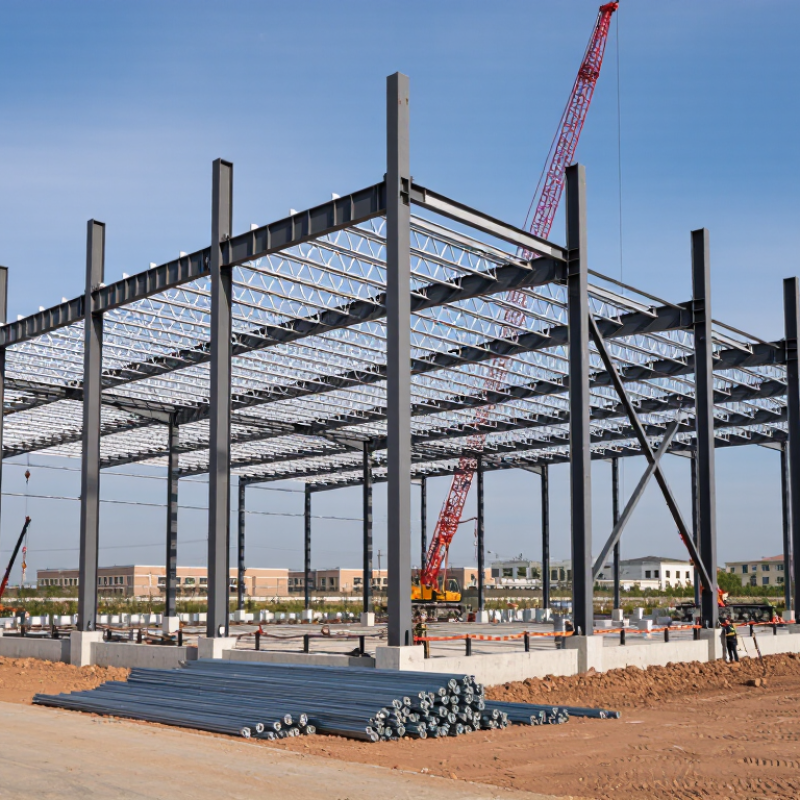
Steel framing systems combine columns, beams, studs, tracks, joists, sheathing, and connection plates. Each part transfers loads through a planned structural path. Hot-rolled sections suit large spans and heavy loads. Cold-formed members support walls, floors, and roof assemblies. Bolted connections can simplify site work. Welded joints may provide stronger continuity, but they demand stricter inspection.

The benefits are practical: high strength, dimensional accuracy, fire-resistant noncombustibility, fast assembly, recyclability, reduced pest damage, and flexible applications. The 2023 World Steel in Figures report recorded about 1.89 billion tonnes of crude steel production worldwide. Industry data also indicates more than 680 million tonnes of steel are recycled annually. This supports circular construction, although recycling does not erase manufacturing emissions. The International Energy Agency estimates steelmaking creates roughly 7–9% of global energy-related carbon dioxide emissions.

Applications range from warehouses and offices to hospitals, modular buildings, bridges, and residential towers. On projects I have reviewed, factory-cut members reduced measurement errors and kept crowded sites cleaner. That advantage is not automatic. Poor tolerances can create difficult cladding joints. Thermal bridging also needs continuous insulation and careful detailing. Steel is strong, yet strength can encourage overdesign. Engineers should check fire protection, corrosion exposure, vibration, acoustics, and connection behavior before approving a system. Field quality matters. A reliable frame begins with verified drawings, traceable materials, competent erection, and documented inspections.

Exceptional Strength, Durability, and Dimensional Stability

Steel framing systems earn attention through exceptional strength, durability, and dimensional stability. A properly engineered steel frame carries heavy loads with slender members and predictable performance. On active construction sites, this precision makes wall lines easier to align. Door openings stay square. Floors are less likely to develop uneven settlement from framing movement.

Steel also resists termites, rot, and many moisture-related problems. It does not absorb water like untreated timber. With suitable coatings and drainage details, it can perform for decades in demanding environments. Fire performance can be improved through tested assemblies, board protection, and careful connection design. These details matter more than material claims alone. Local codes and professional calculations should guide every project.

Dimensional stability supports faster installation and cleaner finishes. Factory-cut components can reduce waste and shorten framing time. Steel’s strength allows flexible layouts, including wider openings and fewer interior supports. It can also be recycled after service, although collection and processing are not automatic. Steel is not flawless. Poorly protected members may corrode, and thermal bridging can reduce energy efficiency. I have seen rushed detailing create avoidable problems around fasteners and joints. Experienced inspection, accurate measurements, and continuous quality control remain essential.

7 Best Benefits of Steel Framing Systems? - Exceptional Strength, Durability, and Dimensional Stability

No. Key Benefit Typical Engineering Data Why It Matters Important Consideration
1 Exceptional Strength-to-Weight Ratio Structural steel density is approximately 7,850 kg/m³, while common structural yield strengths are typically about 250–355 MPa. High strength allows engineers to design slender members, longer spans, and efficient load-bearing frames with fewer interior supports. Actual capacity depends on section geometry, connection design, buckling resistance, loading, and applicable building codes.
2 Long-Term Durability Steel does not rot, warp, or become damaged by termites. Corrosion protection commonly uses metallic coatings, such as a G60 coating of about 180 g/m² total zinc coating mass. Properly detailed and protected steel framing can maintain its structural performance for decades in normal service environments. Service life varies with humidity, salt exposure, pollutants, drainage, coating quality, maintenance, and contact with dissimilar metals.
3 Dimensional Stability The coefficient of thermal expansion for steel is approximately 12 × 10−6/°C over ordinary building-temperature ranges. Factory-produced steel members maintain consistent dimensions, helping reduce shrinkage-related cracking, twisting, and framing movement. Thermal movement still needs to be addressed in long buildings, façade systems, connections, and fire-protection assemblies.
4 Noncombustible Material Steel is classified as noncombustible under commonly used building-material test methods, including ASTM E136, when tested as specified. It does not provide fuel for fire and can support fire-resistant assemblies when combined with approved protective systems. Unprotected steel loses strength as temperature rises, so fire-resistance ratings may require gypsum board, spray-applied protection, intumescent coatings, or other tested systems.
5 Precision and Faster Installation Computer-controlled fabrication can produce repeatable cuts and holes with dimensional tolerances defined by the relevant fabrication standard, such as AISC 303. Prefabricated components can reduce on-site cutting, material waste, and weather-related delays while improving installation consistency. Schedule benefits depend on early design coordination, transport access, lifting plans, connection details, and site readiness.
6 Recyclability and Resource Efficiency Steel is a permanent material that can be repeatedly recycled through melting and reprocessing without losing its basic material identity. At the end of a building’s service life, steel framing can often be recovered, reused, or recycled, helping reduce landfill disposal. Environmental performance depends on production technology, recycled content, transport distance, building life span, and recovery practices.
7 Design Flexibility and Adaptability Steel framing can be fabricated into a wide range of open sections, hollow sections, built-up members, and cold-formed profiles with customized connection layouts. It supports open floor plans, architectural variety, future alterations, vertical extensions, and efficient coordination with mechanical and electrical services. Flexibility must be balanced with vibration control, deflection limits, connection capacity, fire protection, acoustic requirements, and corrosion detailing.

Note: Values shown are typical engineering references rather than universal design values. Final member sizes, protective systems, and performance ratings should be verified by qualified professionals under the applicable local building codes and standards.

Resistance to Fire, Pests, Moisture, and Environmental Damage

7 Best Benefits of Steel Framing Systems?

Steel framing offers strong protection against fire, pests, moisture, and environmental damage. Unlike timber, cold-formed steel is noncombustible under standard building classifications. The National Fire Protection Association identifies noncombustible construction as an important factor in limiting fire growth. Steel also provides no food source for termites or wood-boring insects. The National Pest Management Association estimates that termites cause more than 5 billion dollars in property damage annually in the United States. That figure deserves attention.

Moisture resistance is another practical advantage. Steel does not absorb water, swell, or rot after short-term exposure. However, it can corrode when coatings fail or condensation remains trapped. That caveat matters. Proper flashing, drainage, ventilation, and corrosion protection remain essential. The World Steel Association reports that more than 680 million tonnes of steel are recycled globally each year. This supports steel’s environmental value, although manufacturing still requires considerable energy. The material is durable, but not automatically sustainable.

Tips: Keep framing separated from standing water during storage. Inspect fasteners and cut edges before closing walls. Use thermal breaks where condensation may form. Ask a qualified building professional to verify local fire ratings and corrosion requirements. One missed detail can weaken an otherwise reliable system.

Design Flexibility and Faster Construction Processes

7 Best Benefits of Steel Framing Systems?

Design Flexibility and Faster Construction Processes

Steel framing gives architects wider design freedom without making the structure unnecessarily heavy. Long spans can create open living areas, retail floors, and flexible workspaces. Columns can be positioned around doors, windows, and mechanical services. This adaptability supports unusual layouts and future changes. It also allows larger openings for daylight. A practical detail matters here: accurate shop drawings reduce surprises during installation.

Speed is another major advantage. Many steel members are cut, drilled, and prepared off-site while foundations are completed. Crews then assemble the frame with bolts and controlled lifting equipment. Less waiting. This can shorten the construction schedule and reduce disruption near busy roads or occupied buildings. Lighter framing may also require smaller foundations, lowering excavation needs and site traffic. Factory production usually creates less material waste than repeated on-site cutting.

Seven benefits often appear together: flexible planning, faster assembly, lighter foundations, precise connections, reduced waste, improved site organization, and easier future expansion.

Yet steel is not automatically the best answer. Fire protection, thermal bridging, corrosion control, transport limits, and local building codes still require careful engineering. I have seen attractive schedules fail because connection details were reviewed too late. Early coordination between structural engineers, fabricators, and installers is essential. A small design adjustment can prevent hours of site rework. Reliability comes from those checks, not from the material alone.

Sustainability, Cost Efficiency, and Long-Term Building Value

7 Best Benefits of Steel Framing Systems?

Steel framing supports sustainability, cost efficiency, and long-term building value through measurable performance. The World Steel Association reports that about 680 million tonnes of steel are recycled globally each year. This circular supply reduces demand for virgin resources. It also keeps usable material away from landfills. Steel frames generate less site waste because factory-cut members arrive ready for assembly. Cleaner sites mean fewer disposal loads and safer working areas. Still, recycling does not erase manufacturing emissions. That limitation deserves honest attention.

Cost control is another practical advantage. Steel members offer predictable dimensions, fast installation, and fewer weather-related delays. The U.S. Energy Information Administration notes that construction uses energy-intensive materials, making efficient design decisions important. Lightweight framing can reduce foundation loads and associated concrete quantities. It may also create more usable interior space. The financial benefit is not automatic. Poor detailing, thermal bridging, or inadequate corrosion protection can increase operating costs.

Durability strengthens long-term value. Steel is noncombustible, resistant to termites, and dimensionally stable. These qualities can reduce repair interruptions across decades of occupancy. Data from the National Association of Home Builders indicates that maintenance and replacement costs remain major components of lifetime housing expenses. Proper galvanizing, coatings, drainage, and inspection schedules therefore matter. A frame is only as reliable as its design and maintenance plan. When engineers verify those details, owners gain flexibility, resilience, and potentially stronger resale appeal.

Steel framing combines high recyclability, non-combustibility, dimensional precision, and long service potential. The chart presents an evidence-based relative index for seven commonly recognized benefits; actual results vary by design, climate, material specification, and construction method.

FAQS

What components make up a steel framing system?

Common components include columns, beams, studs, tracks, joists, sheathing, and connection plates. Together, they transfer loads through a planned structural path.

What are the main benefits of steel framing?

Steel framing offers high strength, accurate dimensions, fast assembly, and fire-resistant noncombustibility. It also resists termites and rot. Recycling is another advantage, but it does not remove manufacturing emissions.

Where can steel framing systems be used?

They suit warehouses, offices, hospitals, modular buildings, bridges, and residential towers. Large openings can support daylight, flexible rooms, and changing layouts. Not every project needs the same framing approach.

How does steel framing speed up construction?

Members can be cut, drilled, and prepared while foundations are still under construction. Crews then assemble them with bolts and lifting equipment. Less waiting.

Can steel framing reduce construction waste?

Factory cutting usually creates less waste than repeated site cutting. Accurate measurements also reduce discarded sections and installation mistakes. Poor shop drawings can still create waste.

Does steel framing require fire protection?

Steel does not burn, but heat can reduce its structural strength. Tested assemblies, protective boards, and careful connection details improve fire performance. Local codes still control the final design.

How should corrosion and thermal bridging be managed?

Suitable coatings, drainage paths, continuous insulation, and protected connections help control these risks. Unprotected members may corrode in damp environments. Thermal details need review.

Are steel framing systems always the most economical choice?

Not automatically. Transport, lifting equipment, fire protection, insulation, and connection complexity affect total cost. A lighter frame may reduce foundation work. That benefit can disappear through poor coordination.

What quality checks are important before installation?

Teams should verify drawings, material records, measurements, connections, and inspection documents. Factory-cut members improve accuracy, but field conditions still matter. Rushed details can cause cladding gaps or difficult joints.

Conclusion

Steel framing systems provide a reliable foundation for modern construction by combining structural strength, durability, and design versatility. What are the benefits of steel framing systems? They offer excellent dimensional stability, allowing buildings to maintain their shape with less risk of warping, shrinking, or cracking. Steel also resists fire, termites, moisture, and many forms of environmental damage, helping protect structures in demanding conditions. Its high strength-to-weight ratio supports efficient designs while reducing unnecessary structural bulk.

In addition, steel framing can simplify construction through precise manufacturing, prefabrication, and faster on-site assembly. It accommodates a wide range of architectural layouts and can be adapted for residential, commercial, industrial, and institutional applications. Because steel is recyclable and can reduce material waste, it supports more sustainable building practices. Although initial planning and material costs may vary, its long service life, low maintenance needs, and dependable performance can improve overall value and cost efficiency throughout a building’s lifetime.

Mason

Mason

Mason is a seasoned marketing professional with a deep expertise in the company's offerings and a passion for driving brand awareness. With a strong background in digital marketing strategies, he has an innate ability to connect with diverse audiences and effectively communicate product benefits.......