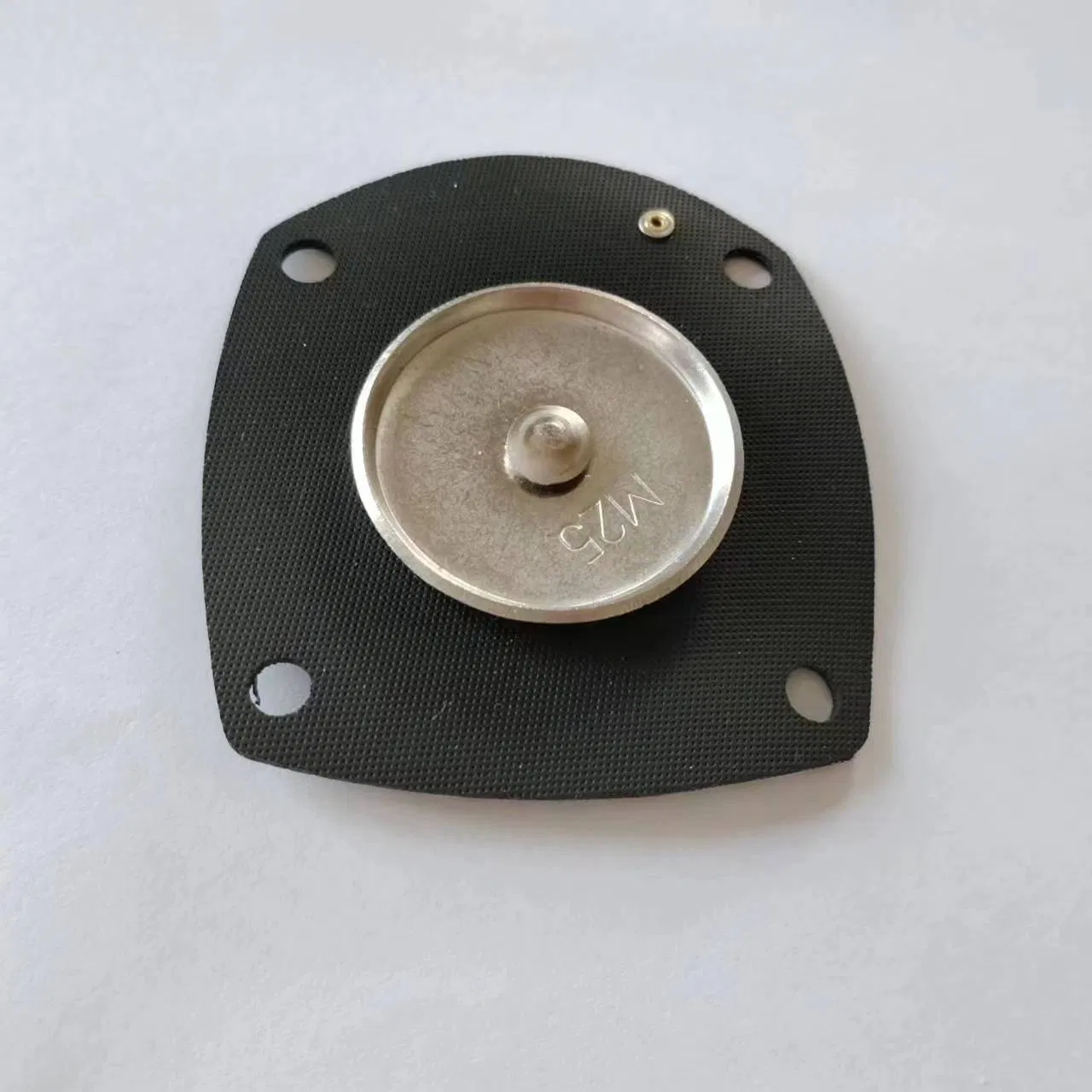
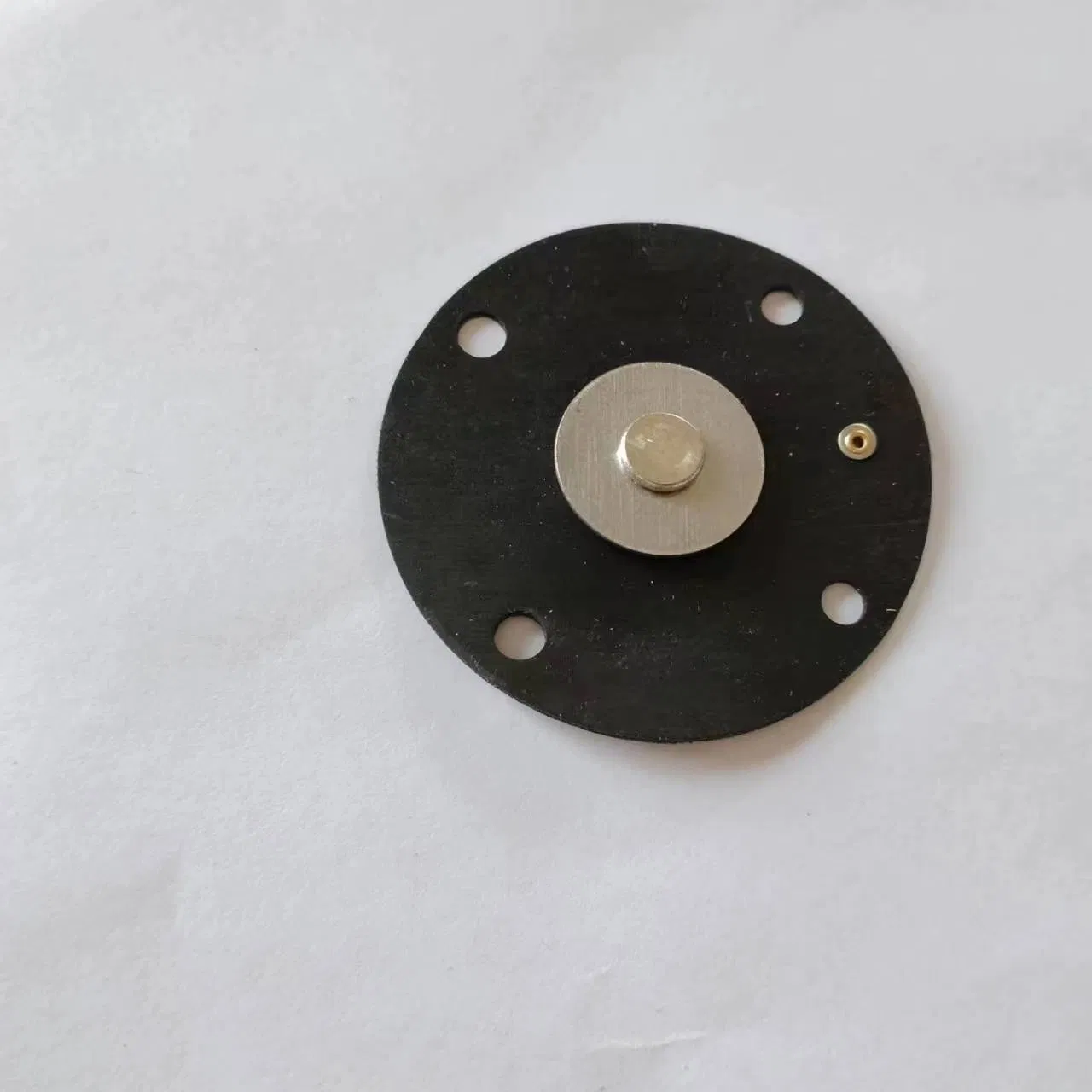
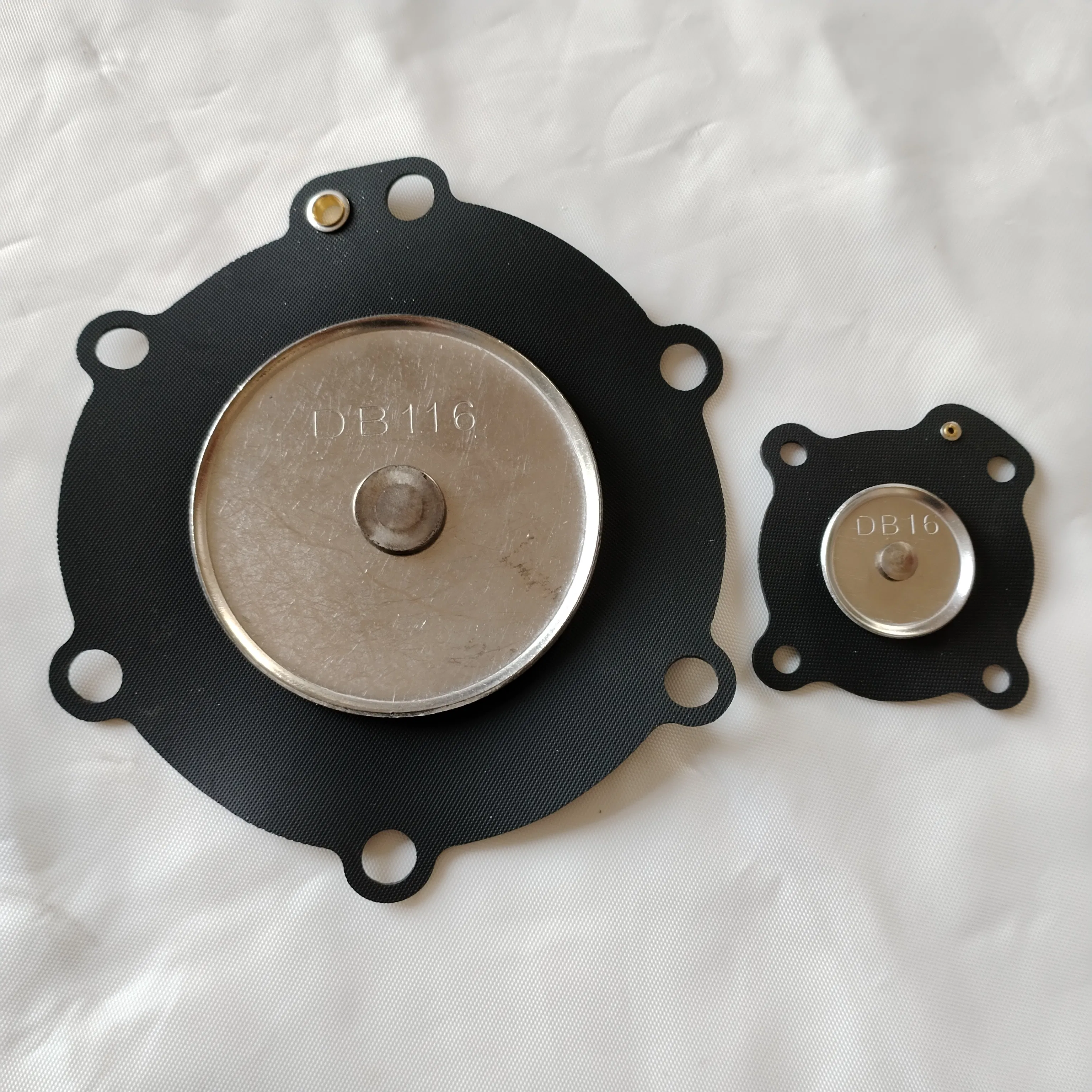
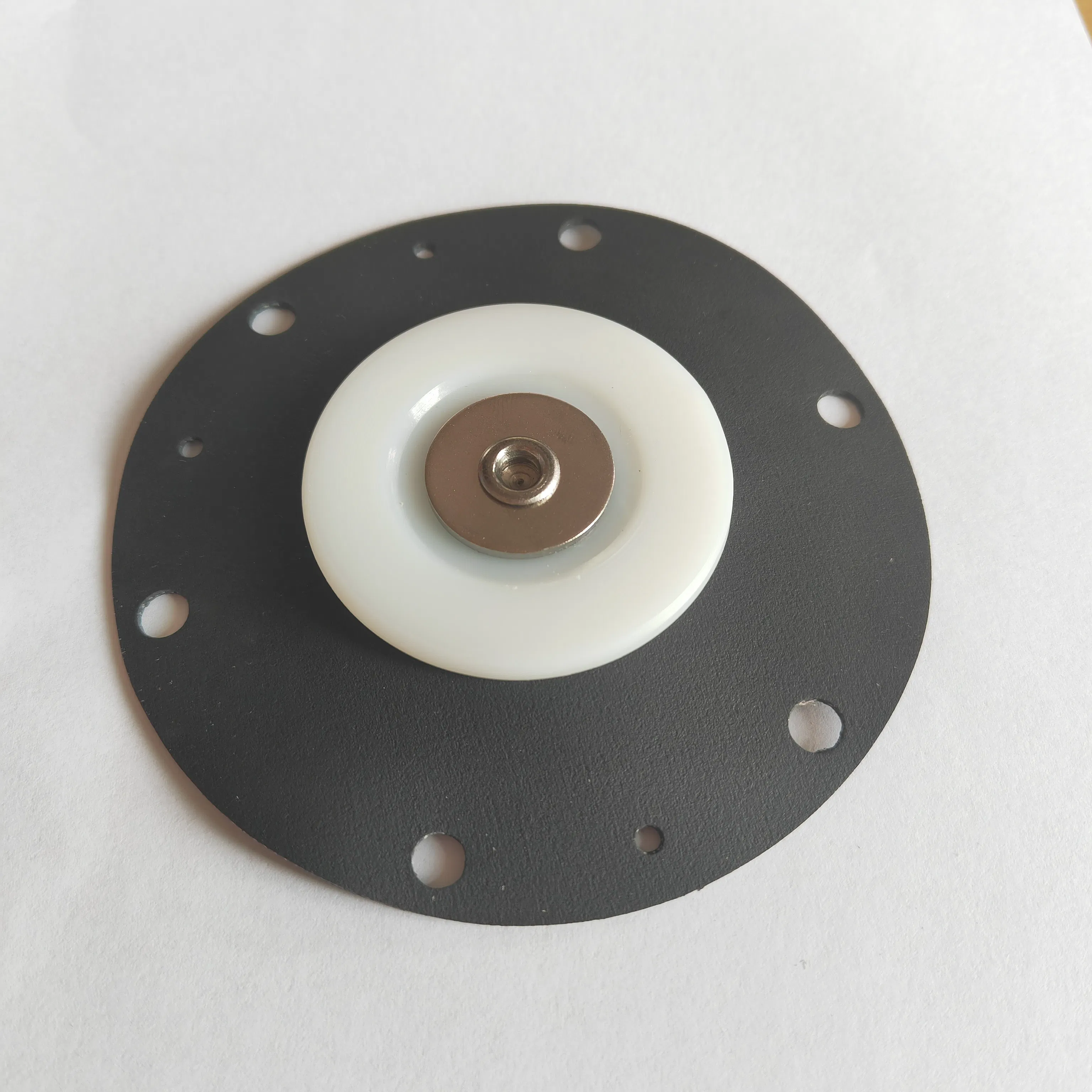
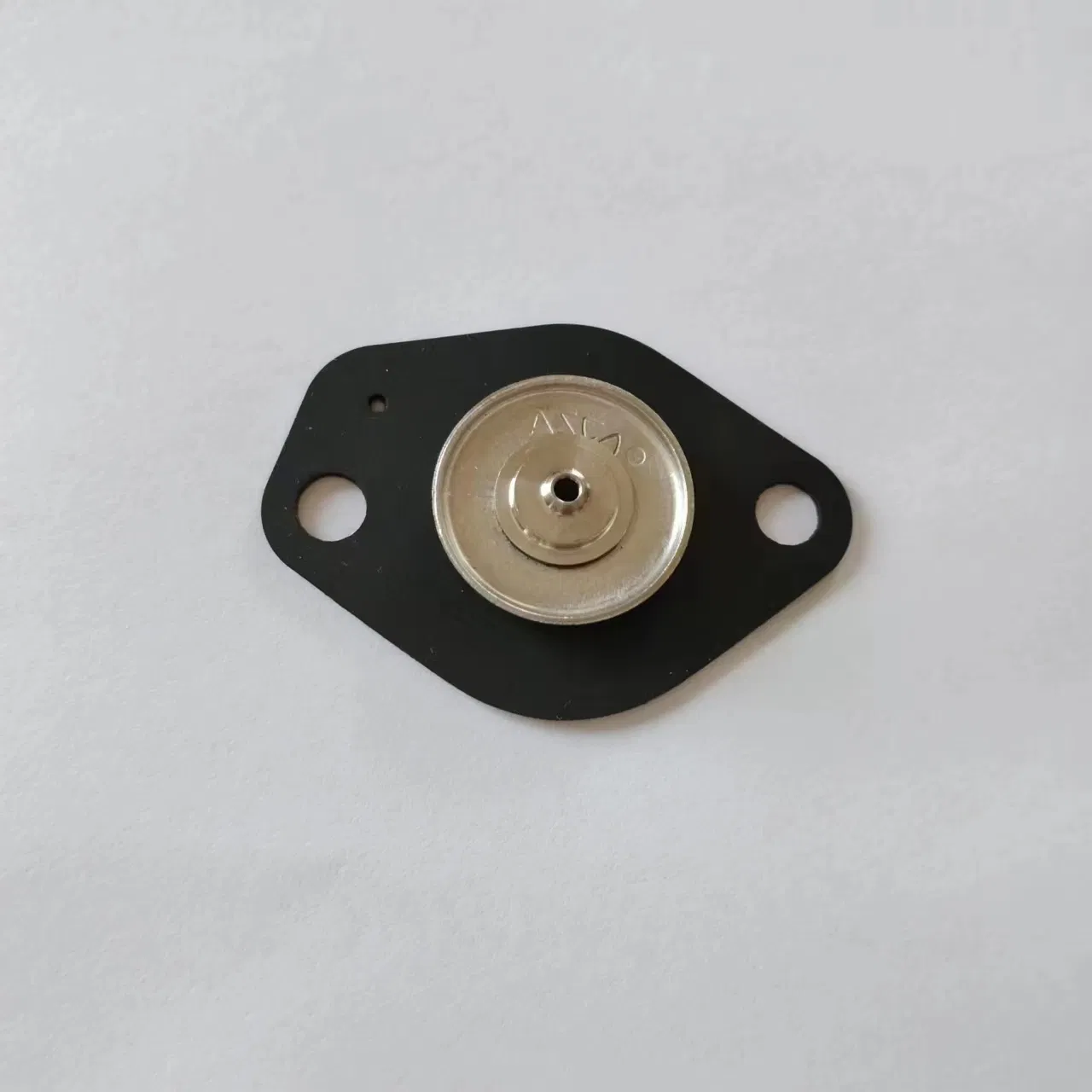
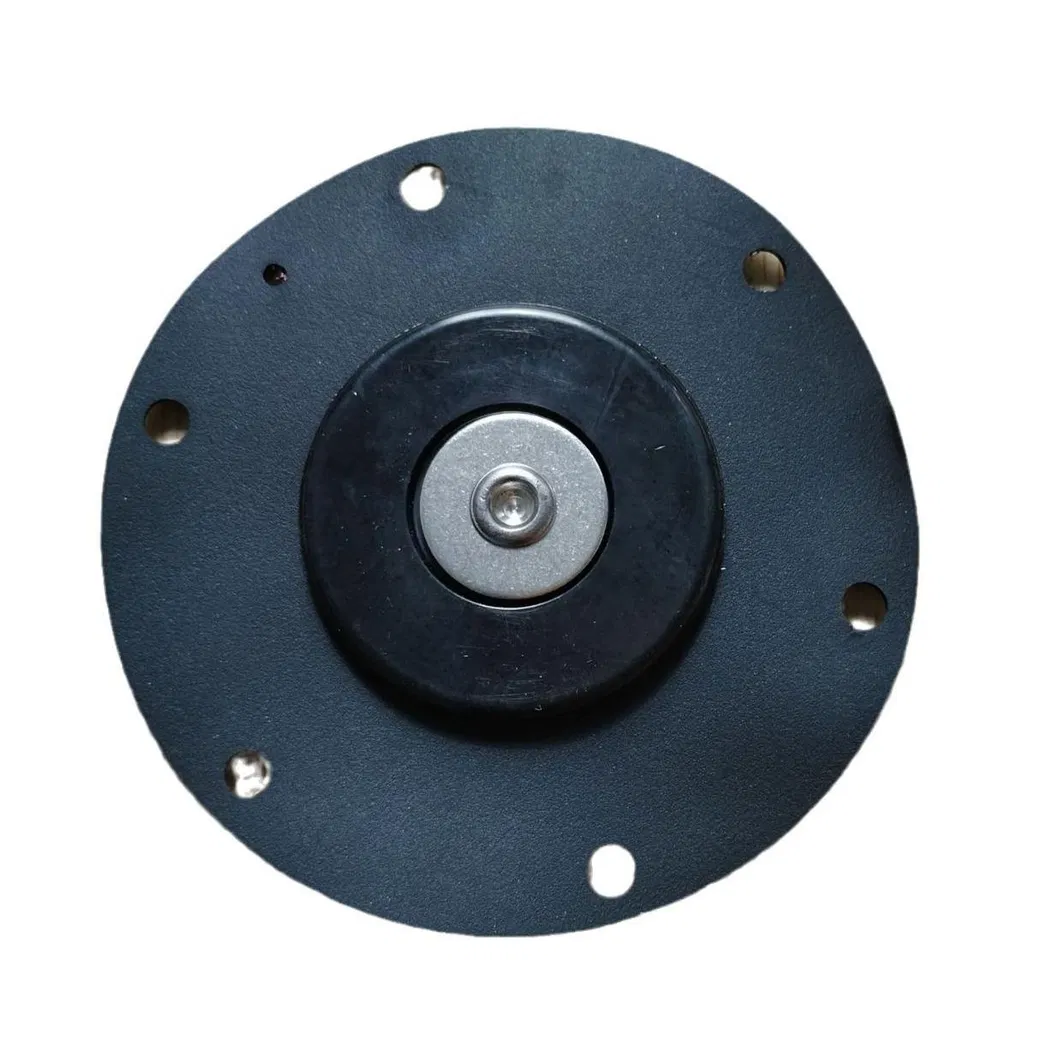
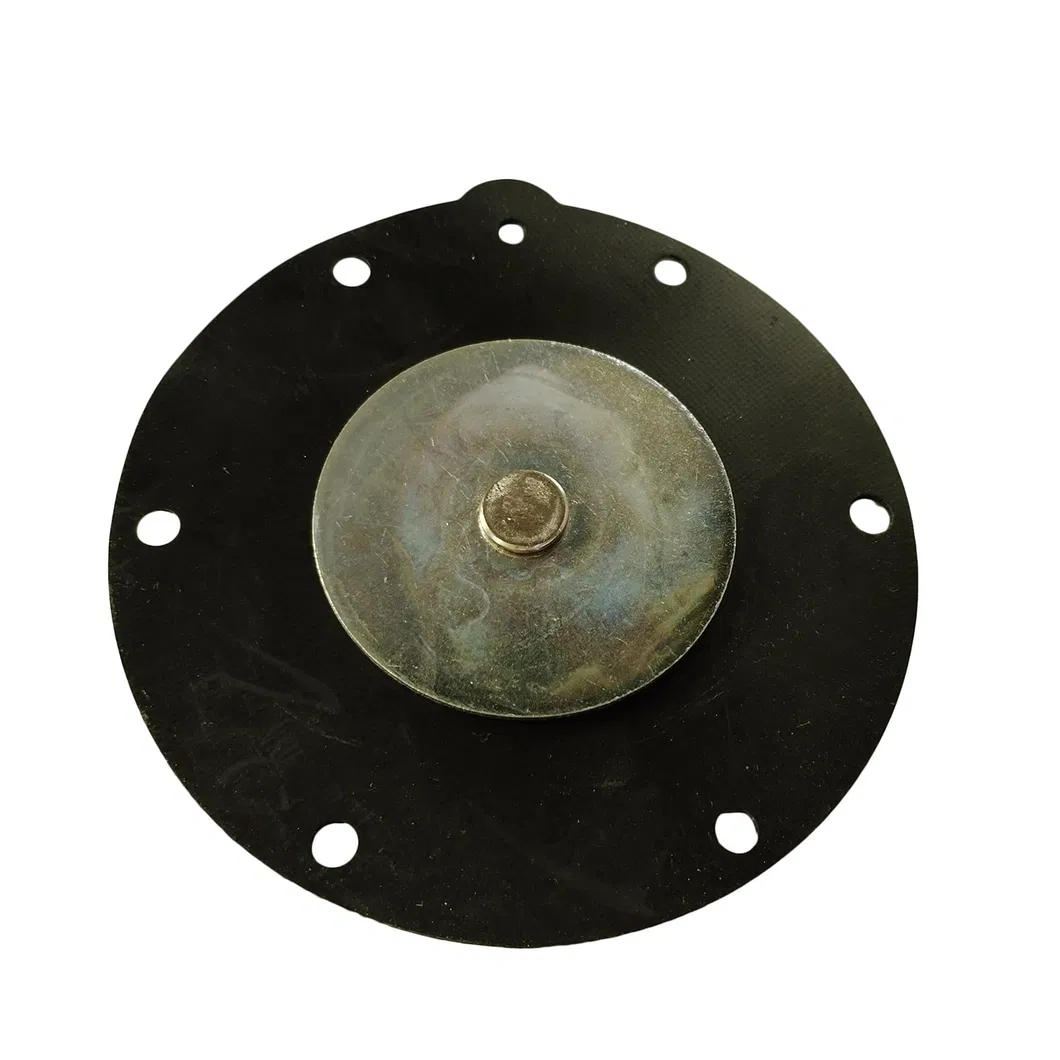
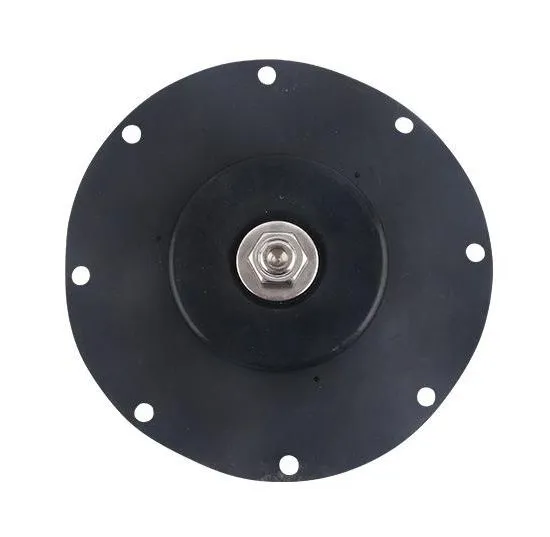
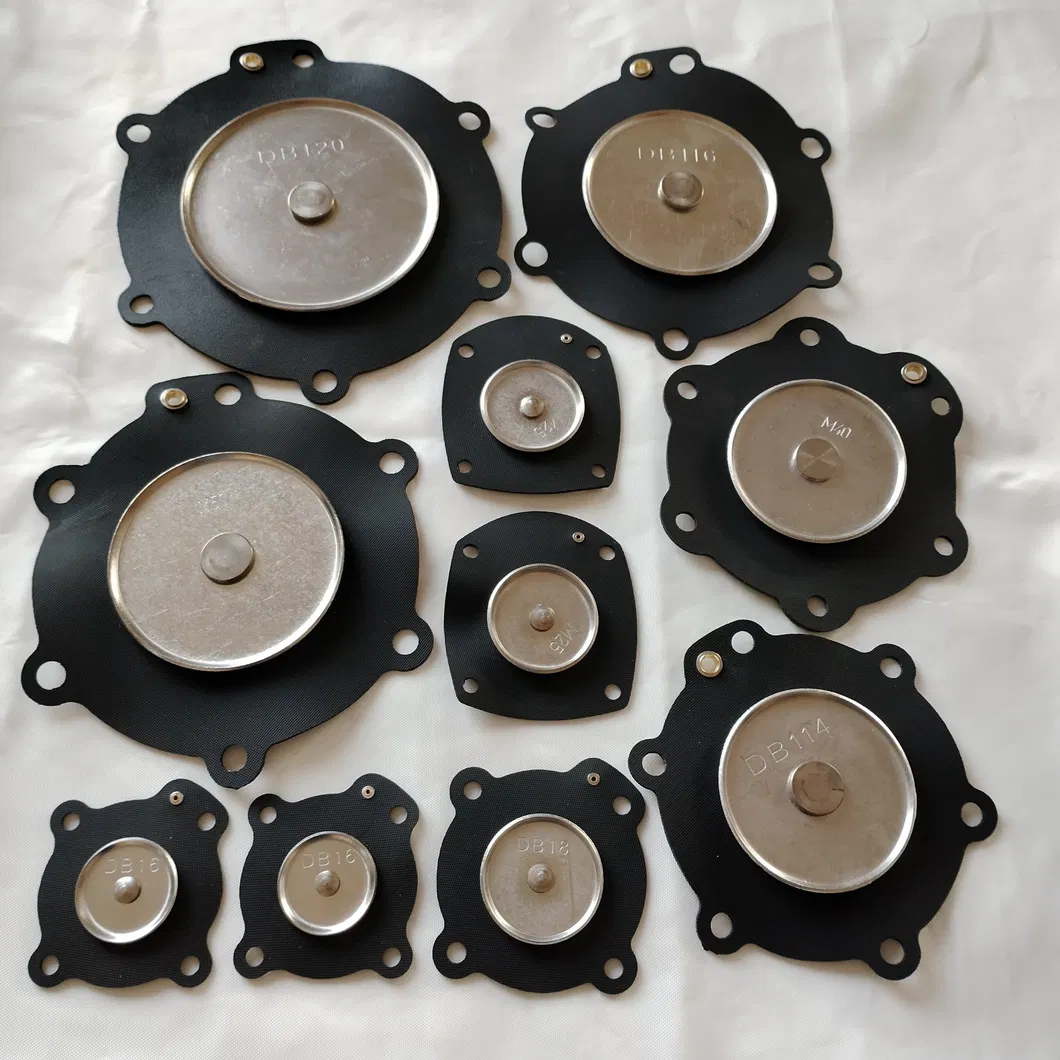
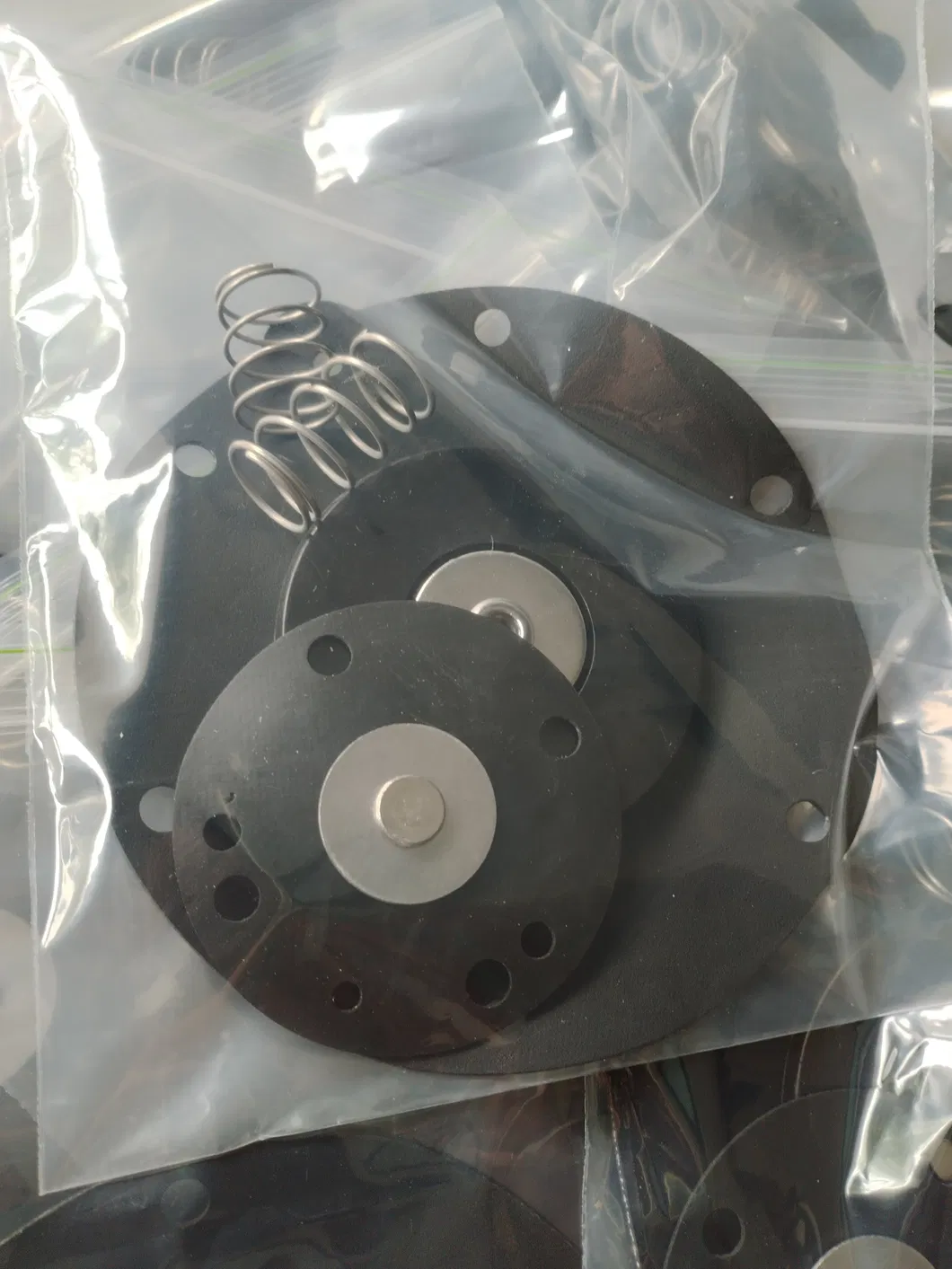
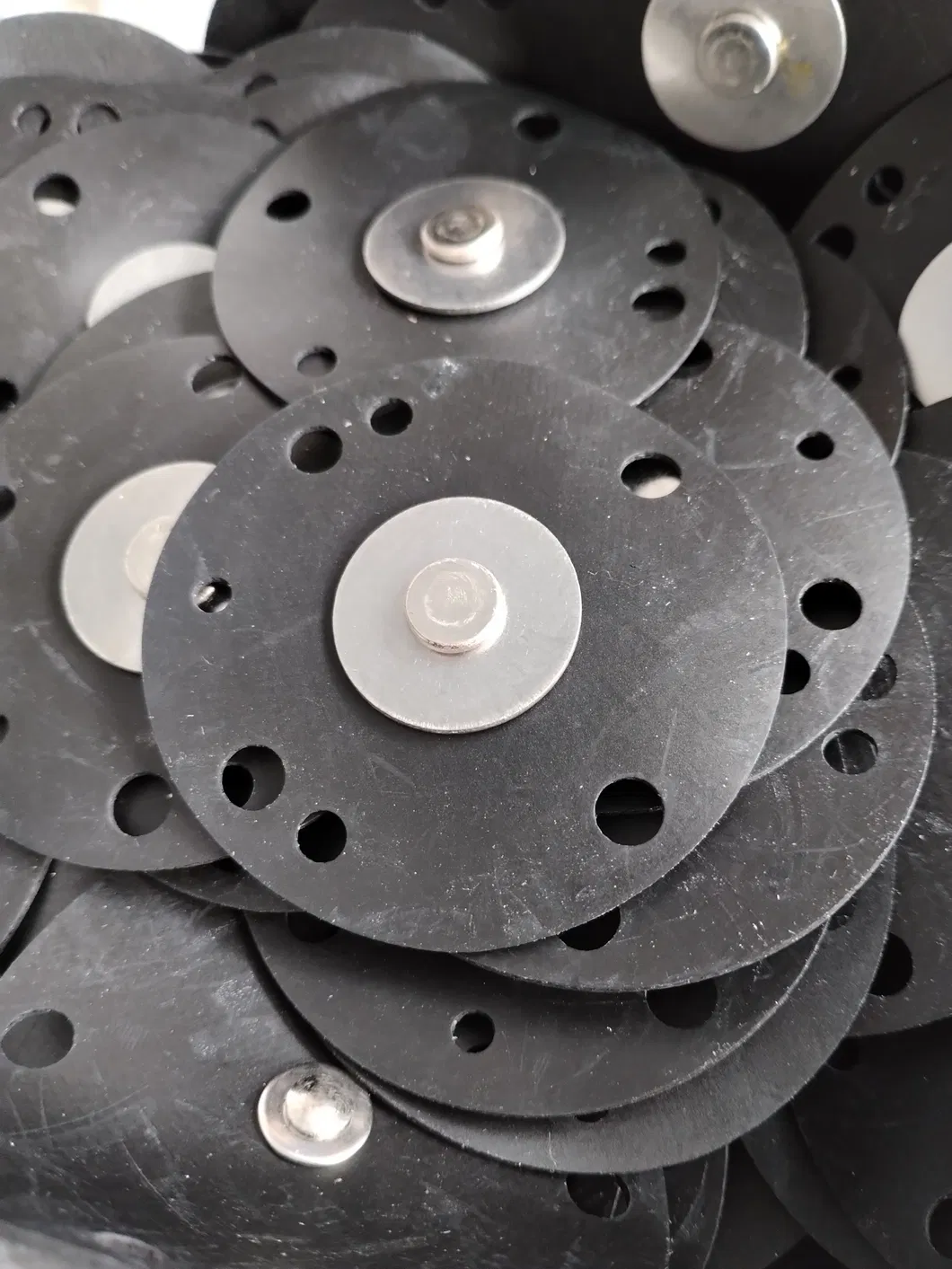
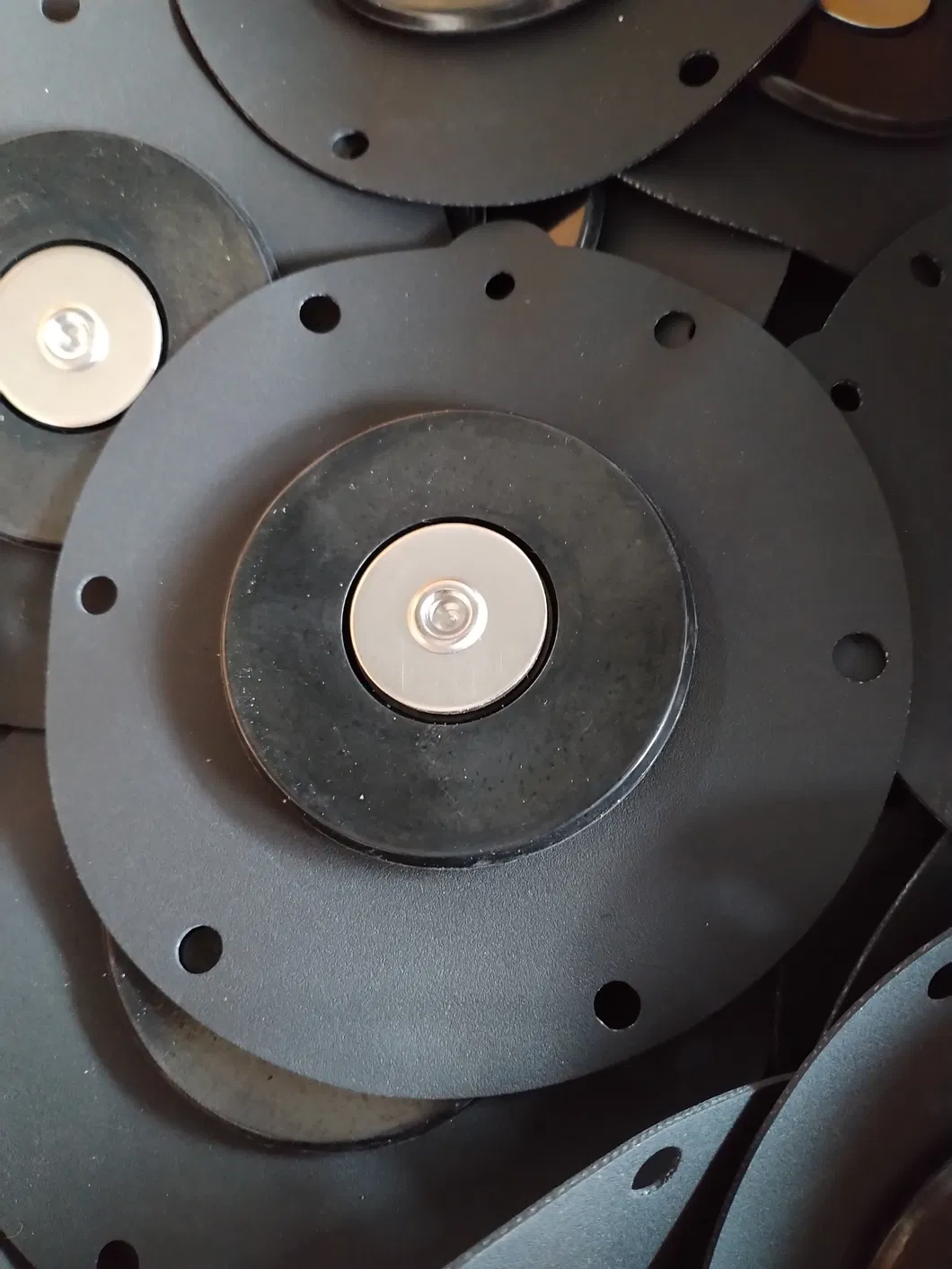
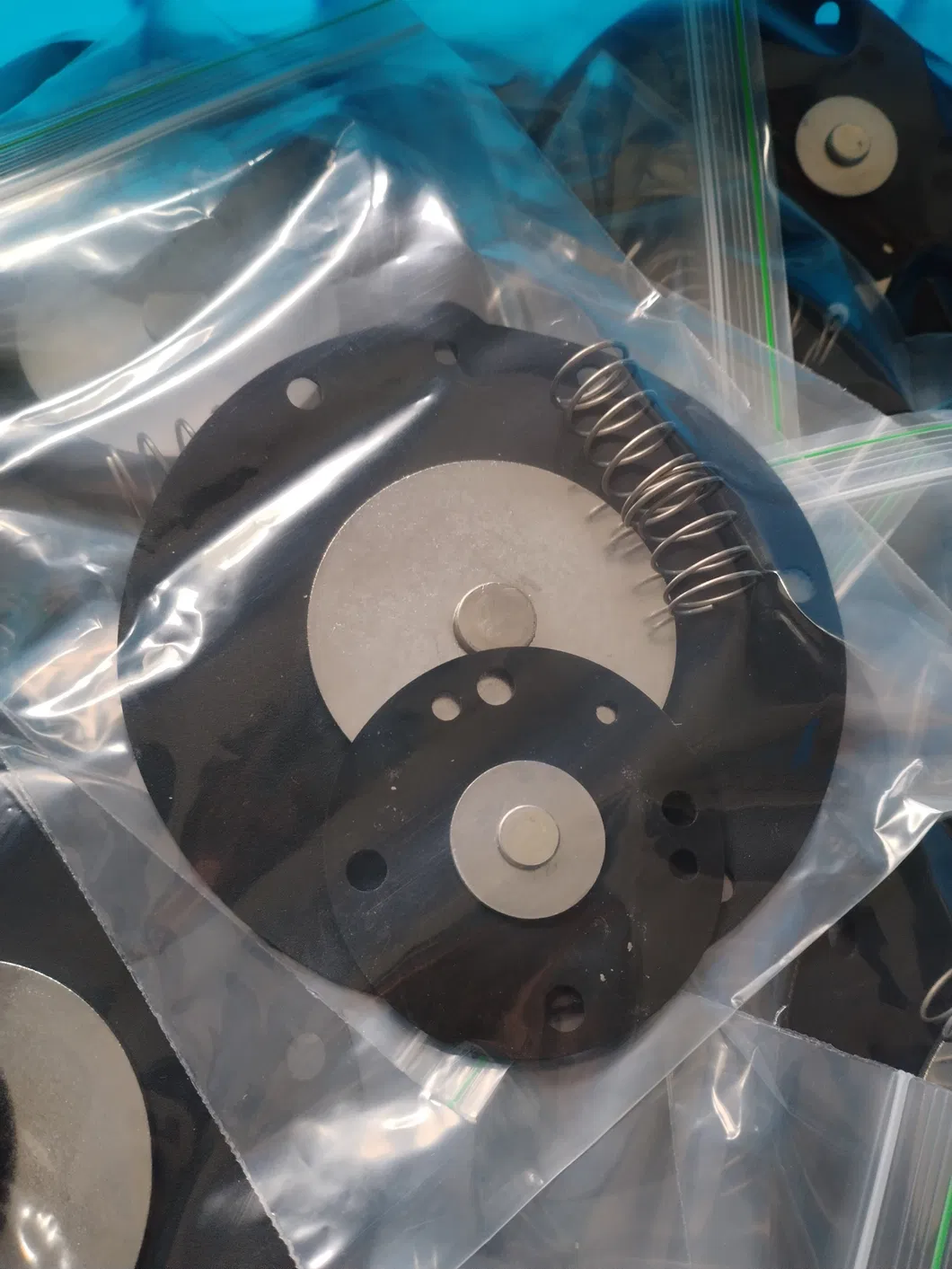
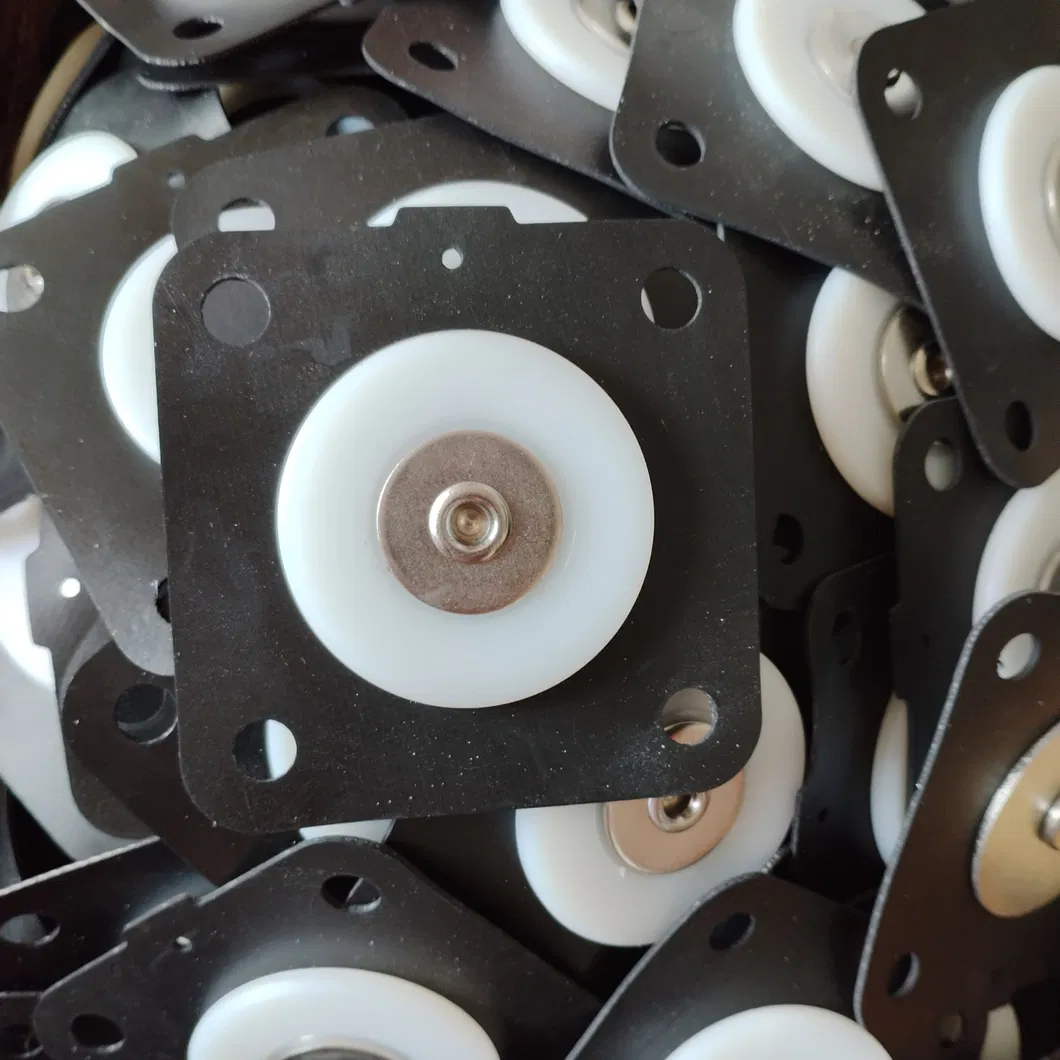
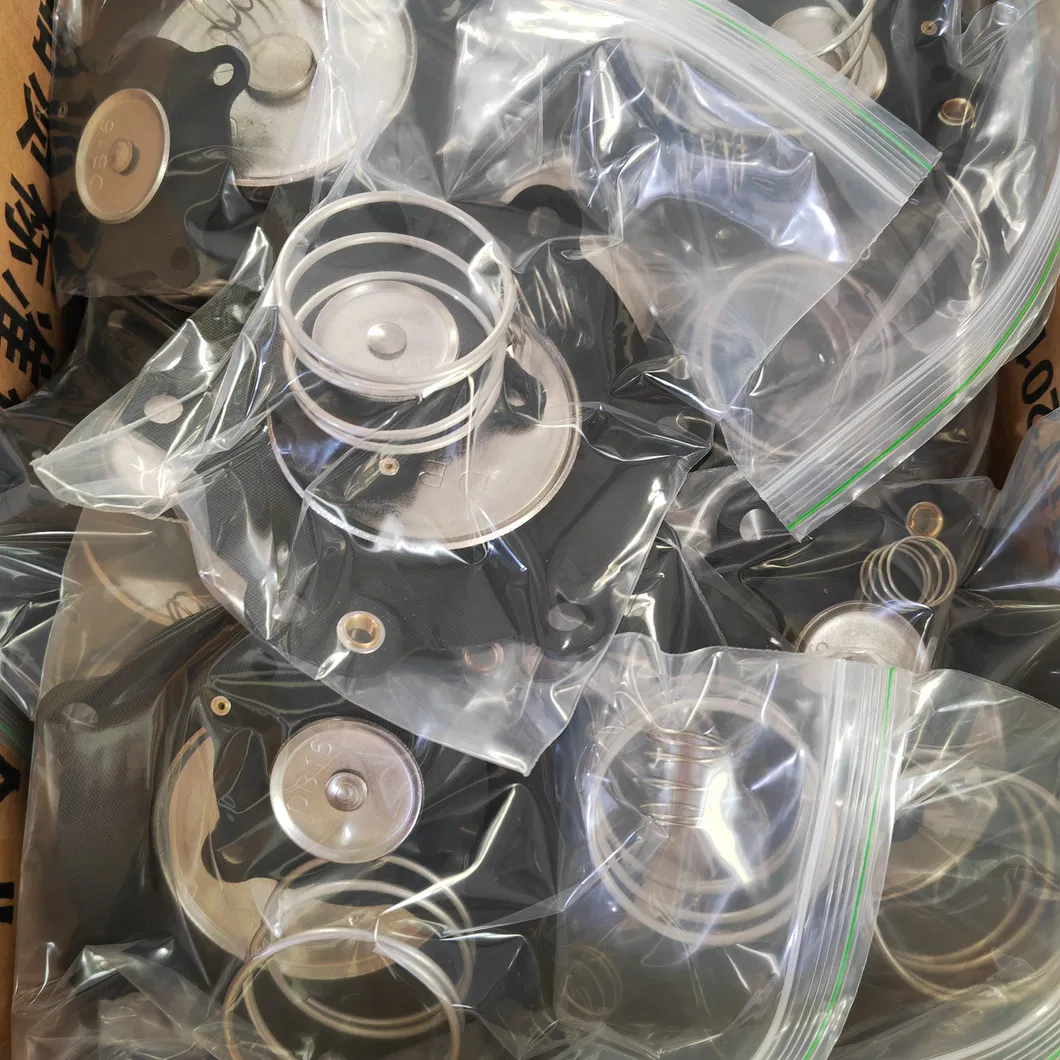
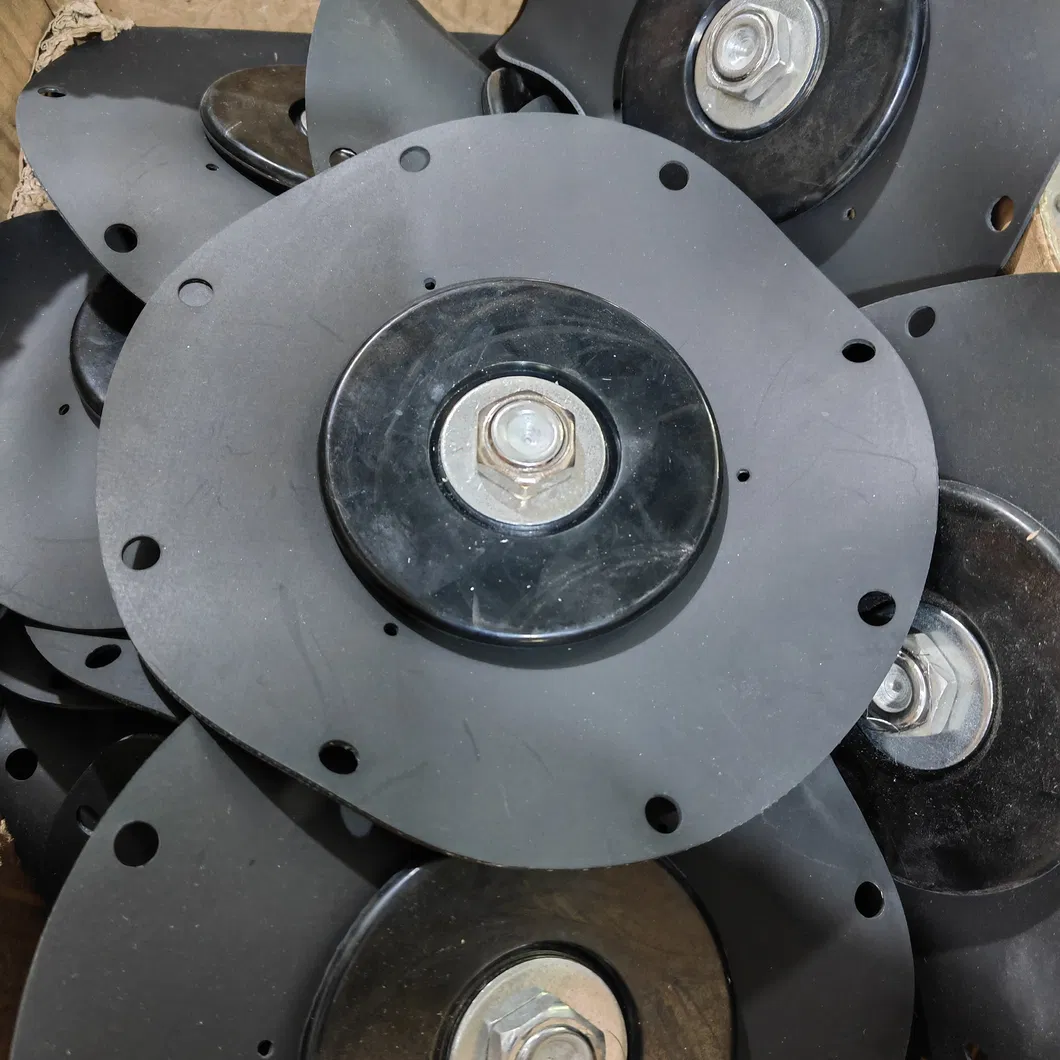
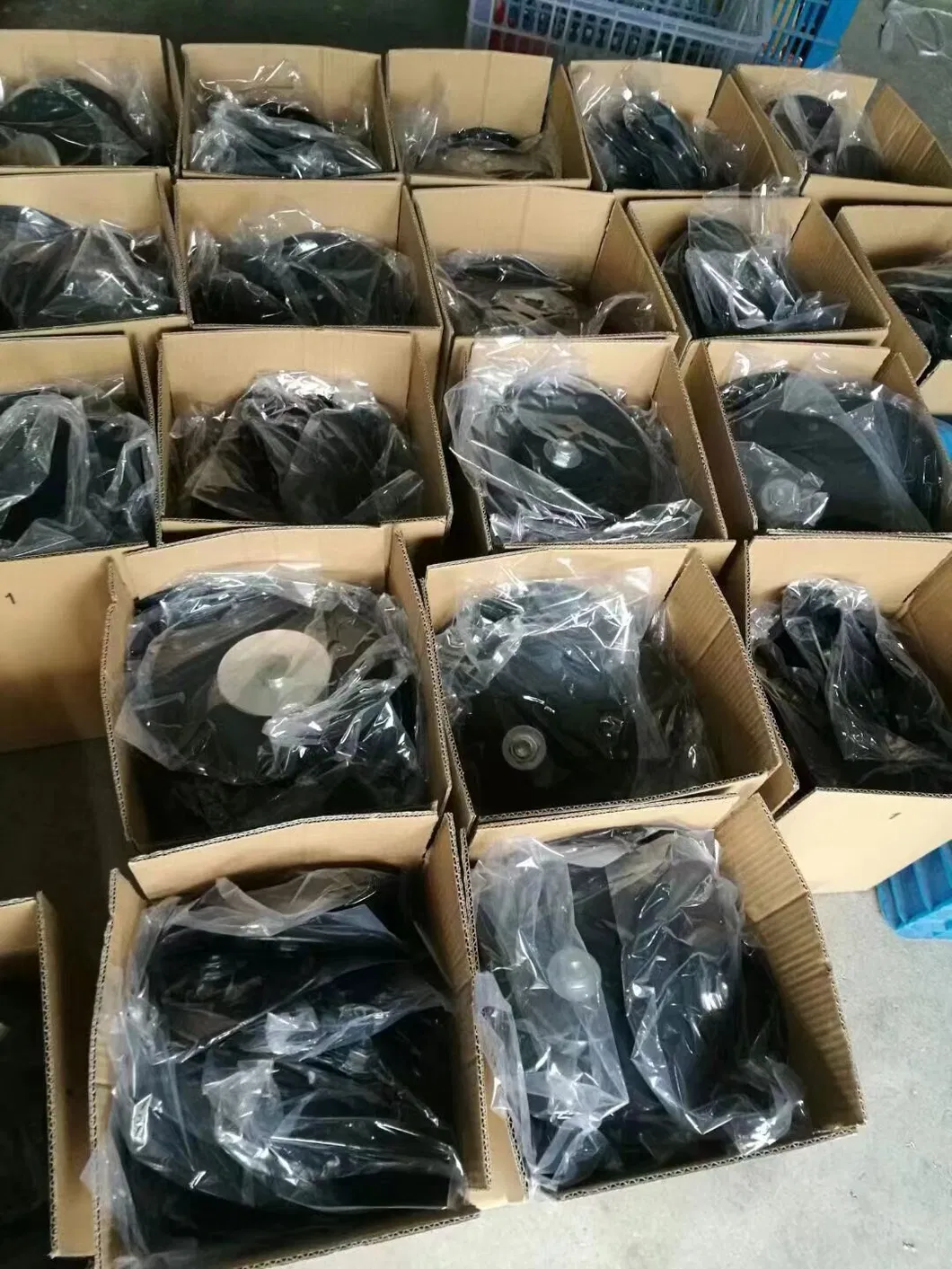
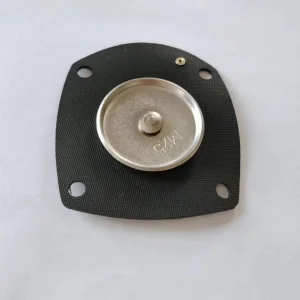
The pulse valve diaphragm stands as a pivotal component within the pulse valve, acting as the crucial air-blowing circuit switch in the sophisticated dust removal system of the pulse bag filter. Typically crafted from high-quality rubber cloth or pure rubber, this diaphragm boasts impressive characteristics like double-sided pressure bearing. It reliably ensures seamless operation and extended service life, even under the most challenging conditions.
The performance metrics, including the working temperature and pressure ranges, are dictated by the diaphragm's composition of glue, fabric, and structural design, generally operating effectively at -20~80ºC, 0.3~0.8MPa. Additionally, diaphragms crafted from fluorine rubber and silicone rubber can thrive within a broader temperature range of -40~220ºC.
Impressive adhesion and robust tensile strength meticulously ensure the diaphragm's impeccable sealing capabilities.
Remarkable high strength tear resistance meticulously preserves the diaphragm's exceptional flexibility and durability.
Outstanding corrosion resistance, enabling optimal functionality even in compressed air environments with oil, water, and other components.
Frequently Asked Questions
What materials are the pulse valve diaphragms made of?
Diaphragms are typically crafted from high-quality rubber cloth, pure rubber, and specialty materials like fluorine rubber or silicone rubber for extreme temperature requirements.
What is the standard working temperature for these diaphragms?
Standard diaphragms operate effectively between -20ºC and 80ºC. For high-temperature applications, fluorine and silicone variants can withstand -40ºC to 220ºC.
What pressure range can the pulse valve diaphragm handle?
They are designed to operate reliably within a pressure range of 0.3MPa to 0.8MPa.
Are these diaphragms resistant to oil and water?
Yes, they feature outstanding corrosion resistance, allowing them to function optimally even in compressed air environments containing oil and water.
What applications are these diaphragms used for?
They are primarily used in industrial dust removal systems, acting as the air-blowing circuit switch in pulse bag filters.
How does the diaphragm ensure a good seal?
The diaphragm is engineered with impressive adhesion and robust tensile strength to ensure impeccable sealing capabilities and extended service life.
 Sandstorm Steel