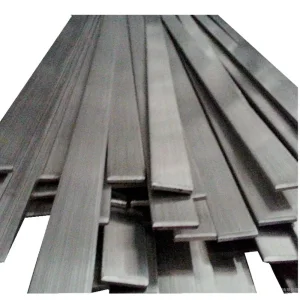
Properties of HM3 materials
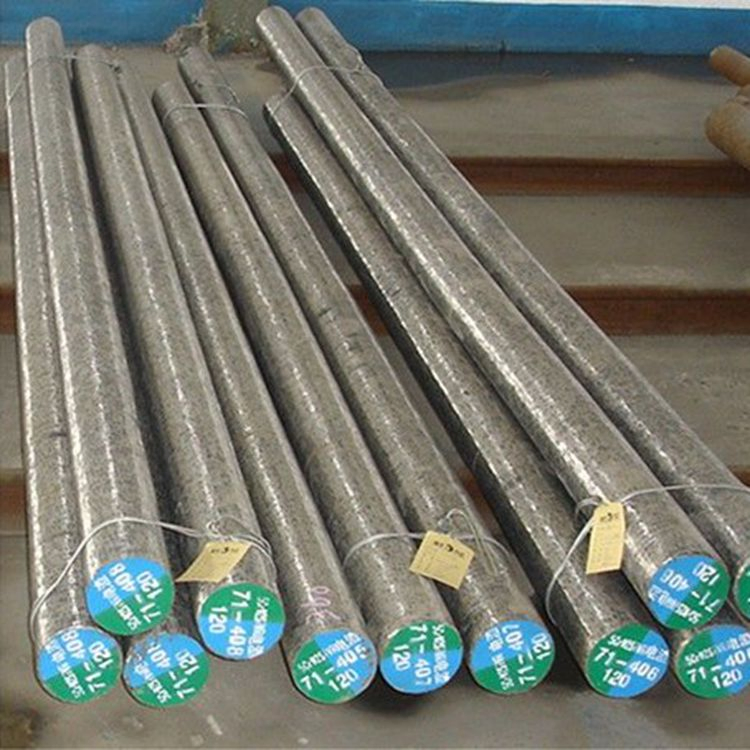
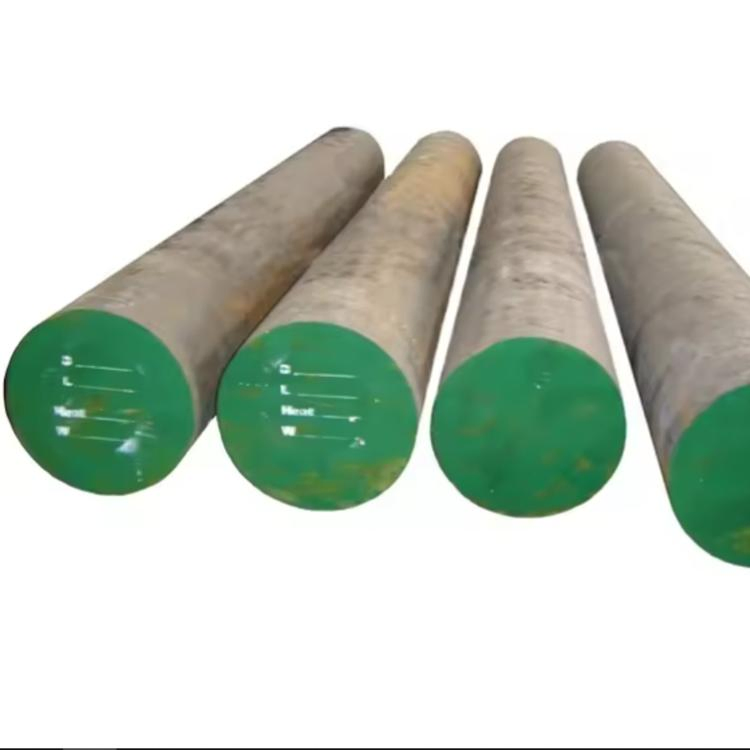
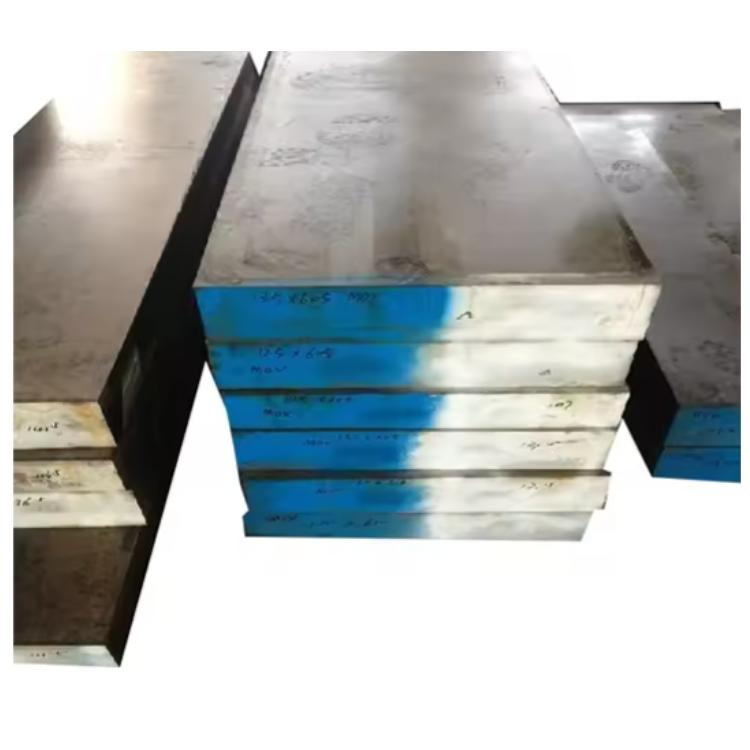
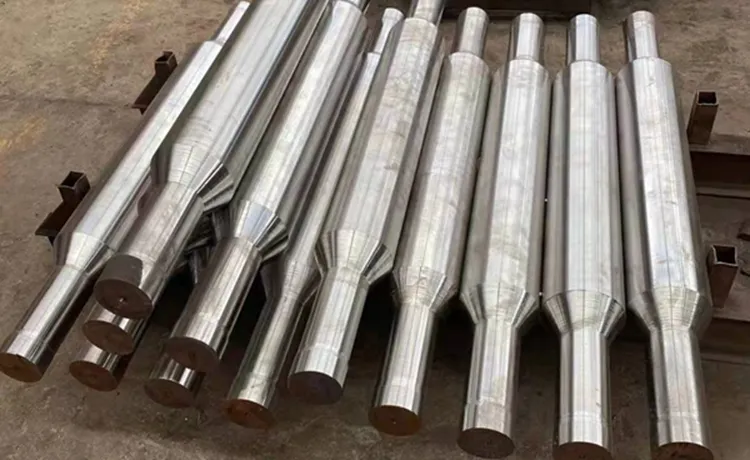
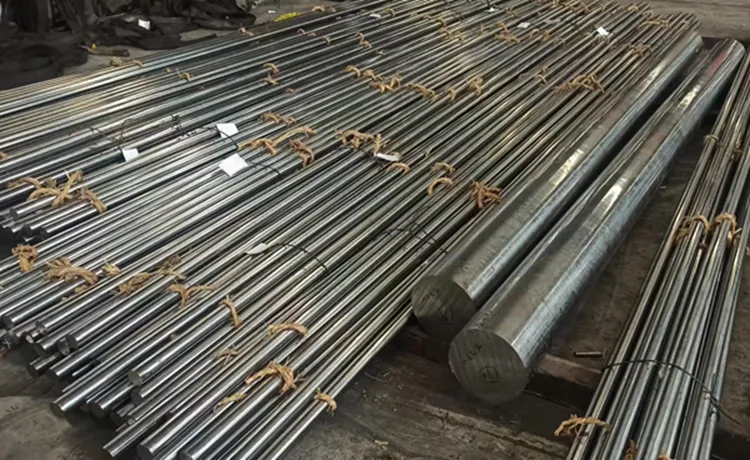
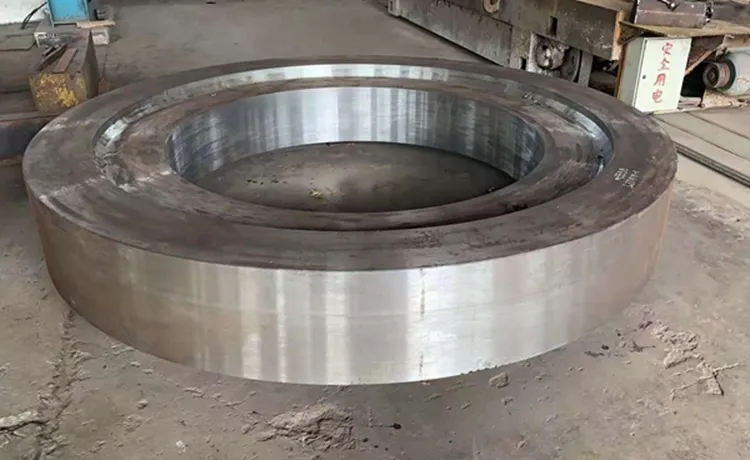
3Cr3Mo3VNB steel code name is HM3, is a hypereutectoid steel, is a middle carbon chromium series high strength and toughness hot work die steel. The steel is an improved steel with reference to American AISI standard H10 steel and Russian TOCT standard 3X3M3Φ steel, similar to HM1 steel.
Chemical Composition (%)
C
Si
Mn
Cr
Mo
V
Nb
P
S
0.24-0.33
≤0.60
≤0.35
2.60-3.20
2.70-3.20
0.60-0.80
0.08-0.15
≤0.030
≤0.030
Quenching and Tempering Specifications
The quenching temperature is 950~1000ºC, the hardness is 46~50HRC, the grain size is 10~11 grade. The tempering temperature is 500~580ºC, and the hardness is 1~1.5HRC higher than that of the quenched state. Tempering temperature 450~650ºC, hardness 42~48HRC.
HM3 Purposes & Applications
Roll-forging die for connecting rod: Eliminates die wear, thermal fatigue, and collapse; service life of 19,000 pieces.
Service life can reach more than 4 times that of 5CrNiMo and 5CrMnMo steels.
In the bearing industry, extrusion die service life is 4~7 times higher than 3Cr2W8V steel.
In forging dies, service life is generally up to about two times that of H13 steel.
Seamless steel pipe top service life is twice that of 3Cr2W8V and 3 times that of H13 steel.
Suitable for production of non-titanium metal die casting dies and heat resistant stainless steel forging dies.
Especially suitable for moulds with large impact load and high working temperature differences.
Applicable for heat resistant, stainless high-temperature alloy forming molds.
Ideal for integral hardened plastic molds.
FAQ
1. What is HM3 material?
HM3 (3Cr3Mo3VNB) is a hypereutectoid, middle carbon chromium series hot work die steel known for its high strength and toughness, similar to AISI H10 standards.
2. How does HM3 compare to H13 steel?
HM3 offers significant improvements in service life over H13 steel, often lasting twice as long in forging die applications and three times as long for seamless pipe tops.
3. What are the heat treatment requirements for HM3?
The standard quenching temperature is 950~1000ºC for a hardness of 46~50HRC, with tempering usually performed between 450~650ºC.
4. Can HM3 be used for die casting?
Yes, it is highly suitable for non-titanium metal die casting dies, providing excellent heat resistance and durability under impact.
5. Is HM3 suitable for extreme temperature differences?
Absolutely. HM3 is specifically designed for moulds that handle large impact loads and high working temperature fluctuations.
6. What is the typical service life for connecting rod dies?
When using HM3 steel for roll-forging dies of connecting rods, the service life can reach up to 19,000 pieces due to its resistance to thermal fatigue.
 Sandstorm Steel