Ultimate Tips for Automatic Tube Polishing Success?

Time:2026-03-13 Author:Aria
0%

Automatic Tube Polishing is increasingly vital in various industries, such as aerospace and automotive. A recent industry report indicates that the market for automated polishing technologies is expected to reach $4 billion by 2025, reflecting a robust growth rate. Companies are investing heavily to enhance their production efficiency and product quality.

However, achieving success in Automatic Tube Polishing is not without its challenges. Many businesses struggle with inconsistencies in surface finishes due to equipment limitations or operator errors. A survey suggests that nearly 30% of organizations encounter issues related to inadequate training or improper usage of polishing machines. This indicates a pressing need for improved processes and systematic training programs to ensure effectiveness.

Moreover, as technology continues to evolve, companies must adapt to new techniques and materials. The introduction of advanced robotic systems offers high precision but also requires a thorough understanding of their operation. The path to mastering Automatic Tube Polishing is multiple-faceted, highlighting the importance of continuous learning and adaptation.
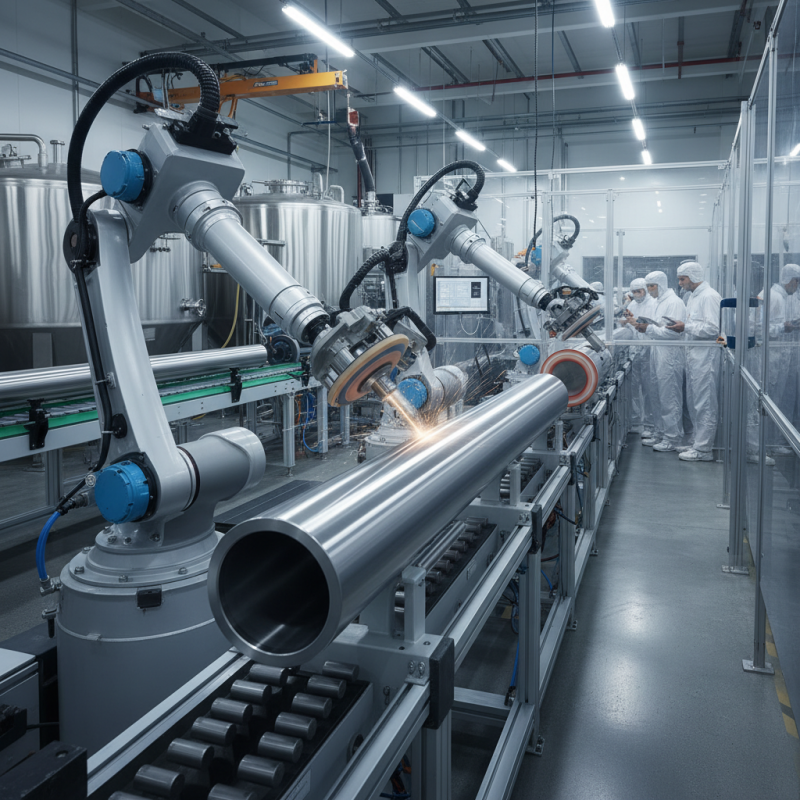
Ultimate Tips for Automatic Tube Polishing Success?

Ultimate Guide to Automatic Tube Polishing Systems and Methods

Automatic tube polishing systems are essential for achieving a high-quality finish. These systems utilize various methods to enhance the appearance and functionality of tubes. They can streamline production processes, saving both time and labor costs. Understanding how these systems work is crucial for optimal results.

When selecting an automatic polishing method, consider the material and finish required. For instance, stainless steel often requires different treatment than aluminum. Experimenting with different parameters is vital. Polishing speed, pressure, and abrasive material all affect the outcome. It may take several trials to find the right balance.

Despite advancements, challenges remain. Equipment can malfunction, leading to inconsistent results. It’s also easy to overlook maintenance, affecting performance. Regular checks are necessary to prevent issues. Success in automatic tube polishing may not be instantaneous; learning and adjustments are part of the process.

Key Parameters Impacting Tube Polishing Efficiency and Quality

When discussing tube polishing efficiency and quality, several key parameters come into play. The type of abrasive used significantly affects the final finish. Coarser abrasives can remove more material quickly. However, they may leave scratches that require more polishing time later. Choosing the right grit is essential for balancing cut rate and surface smoothness.

Another important factor is the pressure applied during the polishing process. Too much pressure can damage the tube surface and lead to uneven results. Conversely, too little pressure may result in inadequate polishing. Operators often need to find that delicate equilibrium for optimal outcomes.

The speed of the polishing operation also plays a crucial role. A faster speed can increase productivity but may compromise the quality of the finish. It’s a balancing act that requires careful observation and adjustment. Operators should monitor the results closely and be prepared to tweak settings as needed. The goal is to achieve both efficiency and high-quality results.

Optimal Abrasive Materials for Distinct Tube Metal Finishes

Choosing the right abrasive materials is crucial for automatic tube polishing. The finish of tube metals can vary significantly based on the abrasives used. For stainless steel, silicon carbide is often recommended. It provides a smooth, shiny finish but can wear out quickly if not monitored. Aluminum might require a different approach. Abrasives like aluminum oxide are better suited for this material.

It's important to note that not every abrasive fits every tube. Some abrasives can leave unwanted scratches. This can lead to increased costs in re-polishing. Regular testing is essential to refine your process. Experimenting with varying grit sizes can also yield different results. A balance between speed and quality should always be sought.

Additionally, surface irregularities may emerge during polishing. It's easy to overlook these imperfections in the initial stages. Observing your results critically can lead to improvements. Sometimes, the focus on speed overshadows the need for a flawless finish. Continuous learning is key to mastering tube polishing.

Step-by-Step Setup for Consistent Automatic Tube Polishing

Setting up an automatic tube polishing system requires attention to detail. Start by selecting the right type of polishing media. According to industry reports, using ceramic or plastic media can improve surface quality by nearly 30% compared to traditional methods. This choice directly affects the longevity and efficiency of your equipment.

Next, calibrate your machine correctly. Precision matters. A well-calibrated system ensures consistent results. Data indicates that machines operating within a 0.5 mm tolerance have significantly fewer defects. However, even minor adjustments can lead to differences in the polished finish. Regularly check and adjust settings for optimal performance.

Monitoring the process is crucial. Automation is not a cure-all. Machines can fail, media can degrade, and issues can arise. Feedback from operators suggests that routine manual inspections can catch problems early. It’s vital to remain vigilant, as neglecting these checks could lead to increased operational costs and wasted materials. Strive for a balance between automation and hands-on control to enhance your polishing success.

Ultimate Tips for Automatic Tube Polishing Success

Process Step Description Time Required Key Tips
Preparation Clean the tubes and remove surface contaminants. 30 minutes Use appropriate cleaning agents to ensure effectiveness.
Setup Configure the polishing machine settings according to the tube material. 20 minutes Refer to the machine specs for optimal settings.
Polishing Begin the automatic polishing process. 1-2 hours Monitor for consistency and adjust speed if necessary.
Inspection Inspect the polished tubes for quality and uniformity. 15 minutes Use a light source for better visibility of imperfections.
Finishing Apply a protective coating if necessary. 10 minutes Ensure the coating is compatible with the tube material.

Common Challenges in Tube Polishing and Effective Solutions

Automatic tube polishing can be a game-changer but comes with its own set of challenges. One major issue is inconsistent polishing results. Factors like incorrect speed settings or wrong abrasive materials can lead to uneven surfaces. This could frustrate operators and waste time. Experimenting with different settings and materials is often necessary. Testing small batches can help identify the right combination before scaling up.

Another common challenge is equipment maintenance. Neglecting the polishing machines can reduce their effectiveness. Regular cleaning and timely parts replacement are crucial. Scheduling maintenance checks would ensure machines run smoothly. Operators should also receive training to use the equipment properly. Mishandling can lead to costly errors.

Lastly, there's the issue of safety. Tube polishing involves dust and particles, creating a hazardous environment. Ensuring proper ventilation and using protective gear is essential. Operators sometimes overlook these precautions, risking health in the workplace. Encouraging a culture of safety can address these concerns, making for a more efficient and secure operation. Each of these challenges presents an opportunity for improvement and growth in the tube polishing process.

FAQS

: What are the key benefits of automatic tube polishing systems?

: They enhance tube appearance and functionality. They also save time and labor costs in production.

How do different materials affect polishing methods?

Materials like stainless steel need different treatments than aluminum. The method chosen can greatly influence the finish.

Why is experimenting with polishing parameters important?

Parameters such as speed, pressure, and abrasives impact outcomes. Trials help find the optimal balance for desired results.

What are common challenges in automatic tube polishing?

Equipment malfunctions can lead to inconsistent results. Also, neglecting maintenance may affect overall performance.

How can one choose the right abrasive material?

Different abrasives suit different metals. For stainless steel, silicon carbide is effective; aluminum performs better with aluminum oxide.

What issues can arise from using the wrong abrasives?

Incorrect abrasives can leave scratches, increasing re-polishing costs. Regular testing helps refine the process to avoid such problems.

How can surface irregularities affect polishing results?

These imperfections may be overlooked initially. They can become apparent later, affecting the final finish quality.

What should be monitored during the polishing process?

Abrasive wear should be checked regularly. This ensures a consistent, smooth finish and prevents unexpected delays.

How can one improve their tube polishing skills?

Continuous learning and critical observation of results lead to better techniques. Balancing speed with quality requires ongoing effort.

Conclusion

The article "Ultimate Tips for Automatic Tube Polishing Success" provides a comprehensive overview of automatic tube polishing systems, exploring various methods and techniques. It highlights key parameters that significantly affect the efficiency and quality of tube polishing, ensuring that users understand how to optimize their processes. The guide emphasizes the importance of selecting the right abrasive materials tailored to achieve different finishes on various tube metals.

In addition to foundational knowledge, the article offers a step-by-step setup guide that enables consistent results in automatic tube polishing. It also addresses common challenges faced in tube polishing operations and presents effective solutions for overcoming these hurdles. Overall, this resource serves as an essential handbook for anyone looking to enhance their automatic tube polishing practices and achieve superior results.

Aria

Aria

Aria is a dedicated marketing professional with a deep passion for innovative strategies and a keen understanding of our company's product offerings. With a wealth of experience in the industry, Aria excels at crafting engaging content that highlights the unique features and benefits of our......