How to Buy Steel in Bulk What Should You Consider?

Time:2026-11-27 Author:Isabella
0%

Buying steel in bulk can lower unit costs, but a low price does not guarantee a good purchase. The right decision starts with the application: a warehouse frame, a machine part, and an outdoor handrail may need different grades, dimensions, and finishes. What to consider when buying steel in bulk includes material specifications, supplier reliability, delivery planning, and the full cost of handling and storage. Small details matter. A few millimeters of thickness can affect fit, fabrication time, and performance.

Metallurgist John D. Verhoeven’s published work on steel explains why composition and processing matter to a material’s properties. A practical paraphrase of that lesson is: match the steel’s properties to the demands of its intended use. That sounds obvious. It is also easy to overlook when comparing quotes. Ask suppliers to identify the grade, applicable specifications, tolerances, and available test documentation. Check whether the quoted product matches your drawings, not just a broad label such as “carbon steel.” Confirm bundle sizes, minimum order quantities, lead times, and whether deliveries can arrive in stages. A crowded yard or an unexpected delay can erase savings quickly.

This guide examines the decisions that shape a bulk steel order, from choosing a supplier to checking quality and calculating total landed cost. It also considers storage, because unprotected steel can develop surface rust before fabrication begins. There is no perfect checklist for every project. Buyers sometimes discover that only after speaking with the fabricator. Still, careful questions before placing an order can reduce costly surprises and make comparisons more dependable.
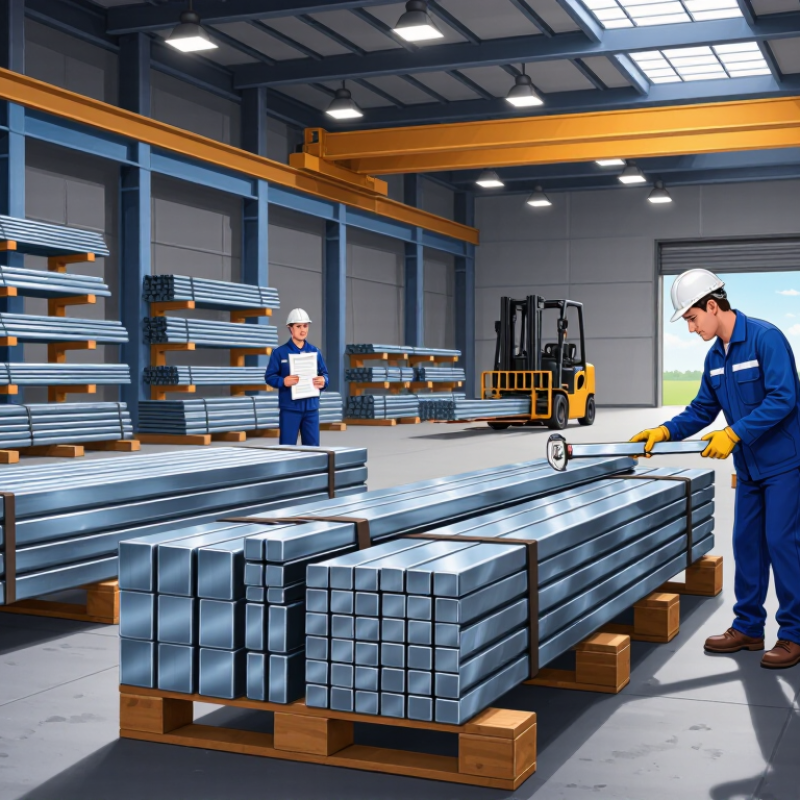
How to Buy Steel in Bulk What Should You Consider?

Define Your Steel Requirements and Order Volume

Before requesting bulk steel prices, write down the exact requirements for each item. Specify the steel grade, product form, thickness or diameter, width, length, surface finish, and applicable tolerances. A “steel plate” request alone leaves too much room for mismatched quotes. Include a drawing or sample specification when dimensions are critical.

Match the material to its real use. A frame stored indoors may need different corrosion protection from a component exposed to rain or chemicals. Note fabrication steps too, such as bending, welding, or laser cutting, since these can affect the suitable grade and finish. Ask what inspection records or material certificates are available. That matters. Verify that the quoted specification matches your purchase documents before approving an order.

Calculate volume from a realistic production plan, not just an optimistic forecast. Estimate the number of pieces, then account for their dimensions, cutting loss, and any unusable remnants. Compare the result with the supplier’s minimum order quantity and the way steel is sold, often by weight. A small buffer can prevent a production delay, but too much stock ties up cash and storage space. Keep it practical. It is easy to misjudge demand; review recent usage and confirm whether deliveries can be split before committing to the full quantity.

How to Buy Steel in Bulk: Define Your Requirements and Order Volume

Estimated theoretical weight of 100 m of solid round steel bar at different diameters

Use the bar diameter and required length to estimate order tonnage before requesting a quote. Estimates use a steel density of approximately 7,850 kg/m³ and exclude tolerances, packaging, and cutting losses; confirm the exact grade and dimensions with your supplier.

Select the Steel Grade, Form, and Required Specifications

Choose the grade by matching its properties to the job, not by price alone. A load-bearing frame may need specified yield strength and weldability; a damp or corrosive setting may call for stainless steel or a protective coating. Name the governing standard and grade precisely, such as ASTM A36, and state any required toughness, chemistry, or testing. World Steel Association’s World Steel in Figures 2024 reports 1,892.2 million tonnes of crude steel produced worldwide in 2023. With many grades in circulation, vague descriptions invite costly substitutions.

Specify the form and dimensions as carefully as the grade. Sheet, coil, plate, bar, and structural sections are not interchangeable in fabrication. List thickness, width, length, shape, dimensional tolerances, surface finish, and coating requirements. Include quantity by size, acceptable length variation, and required inspection documents, such as material test certificates. Confirm whether the supplier can provide the requested form without extra cutting or processing charges. Small details matter.

Tips: Send a cut list or drawing with the inquiry. Ask for written confirmation of grade, standard, dimensions, and tolerances before ordering. Check sample certificates against the purchase specification; paperwork can look complete while omitting a critical test. Even a precise specification cannot predict every handling or fabrication issue, so leave room to review fit-up before committing the full batch.

Compare Suppliers, Certifications, and Minimum Order Quantities

When comparing bulk steel suppliers, request like-for-like quotes for the same grade, dimensions, tolerances, finish, and delivery terms. World Steel Association data puts 2024 crude steel production at 1,882.6 million tonnes, but large market output does not guarantee consistent material from every mill. Ask suppliers to identify the producing mill, explain stock availability, and state how they handle out-of-spec material. Check references and delivery performance, not just the lowest price. A cheap quote can become costly when freight, cutting, or delays are added.

Verify paperwork against the product specification. For many steel products, an EN 10204 type 3.1 inspection certificate links test results to a production batch; check its heat number against the material markings. ISO 9001 indicates a quality-management system, but it does not certify that a shipment meets a particular steel grade. Request the applicable ASTM or EN grade documents, and confirm chemistry and mechanical properties with the supplier. Still, paperwork deserves a careful cross-check.

Minimum order quantities may be set by coil weight, mill production runs, or transport loads. Ask whether the supplier can offer cut lengths or split deliveries, and compare the added charges with storage costs and cash tied up in inventory. A smaller trial order can expose packaging or documentation gaps before a larger purchase. It may also carry a higher unit price. That trade-off is easy to underestimate.

How to Buy Steel in Bulk What Should You Consider? - Compare Suppliers, Certifications, and Minimum Order Quantities

Supplier Type Typical Fit Common Product and Specification Checks Documents to Request Minimum Order Quantity (MOQ) Key Buying Consideration
Steel service center Buyers needing stock material, cut-to-length pieces, or smaller quantities than a mill may offer. Confirm the grade, dimensions, thickness, tolerance, surface condition, and whether cutting or processing is included. Examples of specifications include ASTM A36 for structural carbon steel plate and ASTM A572/A572M for certain high-strength low-alloy structural steels. Request a material test report or mill test certificate linked to the supplied heat or batch. Where applicable, check that the report identifies the grade, chemical analysis, and mechanical test results. Often based on available stock, a bundle, a plate, or a processing charge; there is no universal MOQ. Confirm whether the material is in stock and whether processing, packaging, and delivery are included in the quoted price.
Steel mill or producer Large, repeat orders with defined specifications and a schedule that can accommodate production lead times. Agree on the governing product standard, grade, dimensions, tolerances, quantity, and inspection requirements before production. Specify the required inspection documents in the purchase order. EN 10204 type 3.1 is a commonly used inspection-document type for metallic products; confirm acceptance and scope with the buyer and supplier. May require a production lot, campaign, or other mill-defined quantity. Minimums vary by product, size, and production schedule. Ask for written confirmation of production capacity, shipment timing, price validity, and remedies for specification deviations.
Metal stockholder or distributor Buyers combining several standard sizes or products, or seeking material from local inventory. Check that each line item matches the required grade and product form; do not assume similar-looking grades are interchangeable. Request traceability documents for each relevant item or batch, and verify that document references match the delivered material markings and packing list. Can be a stock piece, bundle, or order-value threshold; confirm the supplier's terms for each product. Compare the complete delivered cost, including freight, handling, cutting, and any small-order fees.
Specialty or stainless-steel supplier Orders requiring corrosion-resistant, heat-resistant, or other specialty alloys and product forms. Specify the exact alloy designation, product standard, finish, dimensions, and intended service conditions. For example, ASTM A240/A240M covers chromium and chromium-nickel stainless-steel plate, sheet, and strip for pressure vessels and general applications. Request grade and heat traceability documentation, and clarify any additional testing or inspection requirements before ordering. Depends on alloy, finish, dimensions, stock availability, and whether the order requires production; ask for a written minimum. Confirm suitability for the application with the project engineer or applicable code requirements; a grade designation alone may not establish suitability.
Fabricator or processor supplying finished steel Buyers who need steel cut, formed, drilled, or fabricated to drawings rather than supplied only as raw stock. Provide controlled drawings, revision level, tolerances, quantities, and any required welding or inspection criteria. Agree on material certificates, inspection records, and any fabrication or welding documentation required by the project. May be determined by setup time, batch size, fabrication complexity, or material procurement requirements. Separate raw-material cost from processing charges and confirm drawing revisions, acceptance criteria, and responsibility for inspection.

Note: MOQ, lead time, documentation, and availability vary by supplier, product, dimensions, and destination. ISO 9001 is a quality-management-system certification, not a certificate of a specific steel grade or shipment. Confirm applicable product standards, regulatory requirements, and document acceptance in writing before placing an order.

Evaluate Pricing, Payment Terms, and Delivery Logistics

When buying steel in bulk, compare more than the quoted price per ton. Ask whether the quote includes cutting, packaging, inspection, and loading fees. Check the steel grade, dimensions, tolerances, and quantity against your purchase order. A low price means little if the material needs rework. Request a written quote with an expiry date, since market prices can change. Small details matter.

Payment terms affect the real cost, too. Confirm the deposit, balance due date, accepted payment methods, and any charges for late payment. For a large order, staged payments may help match cash flow to production and dispatch milestones. Avoid paying against vague promises; tie each payment to clear documents, such as an order confirmation or inspection record. The paperwork can feel tedious, but it prevents disputes.

Delivery logistics deserve equal attention. Agree on the delivery window, unloading responsibilities, vehicle access, and who pays for storage if your site is not ready. Ask how bundles will be labeled and protected from rain, especially if steel will sit outdoors. Confirm the delivery address and offloading equipment before the truck leaves. A missed crane or narrow gate can delay a shipment and add costs. Even a careful plan has gaps; leave room for weather and schedule changes.

Inspect the Shipment and Plan for Storage and Inventory

When bulk steel arrives, inspect it before signing off on the delivery. Compare the packing list with your purchase order, including quantities, sizes, grades, and heat numbers. Look for bent edges, torn wrapping, loose bands, standing water, or fresh rust. Check sample dimensions with suitable measuring tools, and match material markings to the supplied mill certificates. Paperwork can be incomplete, so do not rely on it alone. Photograph damage and note shortages on the delivery record before moving the material.

Tips: Keep a camera, tape measure, and receiving checklist nearby. Separate questionable bundles from accepted stock. Small discrepancies are easy to miss during a busy unload.

Plan storage before the truck arrives. Use level, load-rated racks, and keep steel clear of damp floors and leaking walls. Store material by grade, size, and heat number, with labels visible from the aisle. Record each bundle’s location and quantity as it moves. Update the inventory when steel is issued, not at the end of the week. A tidy spreadsheet can still drift from reality; occasional physical counts help reveal misplaced or partly used stock.

FAQS

How should I choose a steel grade for a project?

Match the grade to the job’s load, weldability, and environment. Damp areas may need corrosion-resistant steel or a protective coating. Price alone is a weak guide.

What details should a steel purchase specification include?

State the grade, standard, form, thickness, width, length, tolerances, and finish. Add coating, quantity by size, and required test documents. Small details matter.

How can I reduce mistakes when requesting a quote?

Send a drawing or cut list. Ask for written confirmation of the grade, dimensions, and tolerances. A clear request helps, but fit-up can still surprise you.

What should I check when comparing suppliers?

Compare quotes for identical material and delivery terms. Ask which mill produced the steel and how out-of-spec items are handled. Freight and cutting can change the real cost.

Do certificates prove that a shipment meets my requirements?

Not by themselves. Check test results against your specification, and match heat numbers on certificates to the material markings. Paperwork can look complete and still miss a key test.

How can I manage minimum order quantities?

Ask about cut lengths or split deliveries. Compare extra charges with storage costs and money tied up in stock. A small trial order can reveal gaps, though its unit price may be higher.

What should I inspect when steel arrives?

Compare the packing list with the order. Check sizes, grades, and heat numbers; look for bent edges, torn wrapping, water, or rust. Photograph damage before moving the bundle.

How should bulk steel be stored and tracked?

Use level, load-rated racks and keep steel away from damp floors and leaks. Label bundles by grade, size, and heat number. Update stock when material is issued, then do occasional physical counts. A spreadsheet can drift.

Conclusion

Buying steel in bulk starts with clearly defining your project requirements and estimating the order volume you can use and store. Identify the steel grade, form, dimensions, and performance specifications needed for the job, then confirm that each supplier can meet them. When deciding what to consider when buying steel in bulk, compare suppliers’ quality certifications, minimum order quantities, and ability to provide consistent materials.

Look beyond the quoted price by reviewing payment terms, shipping costs, delivery schedules, and how the shipment will be handled. Before ordering, make sure the delivery plan fits your timeline and receiving capacity. When the steel arrives, inspect it against the order details and check for visible damage or discrepancies. Arrange suitable storage and keep inventory records so the material remains organized, protected, and available when needed.

Isabella

Isabella

Isabella is a dedicated marketing professional with a sharp focus on driving brand growth and engagement through strategic content creation. With an extensive background in digital marketing, she combines her passion for storytelling with her keen understanding of industry trends to deliver......