Galvanized Iron Wire is a crucial material in the construction industry. Its durability and rust resistance make it ideal for various applications. According to industry reports, the global galvanized steel wire market is projected to grow significantly in the coming years. The demand for such materials highlights their importance in building structures.
Construction uses this wire for reinforcement, fencing, and tying materials together. The galvanized coating protects against corrosion, extending the wire's lifespan. Studies show that structures using Galvanized Iron Wire have better durability. However, some still overlook quality standards in production. This poses risks for longevity and safety.
In the competitive construction market, efficiency matters. While many rely on galvanized wire, not all are aware of its full potential. There is room for improvement in sourcing and selection processes. Education about the benefits of Galvanized Iron Wire is essential for optimal use in construction projects.
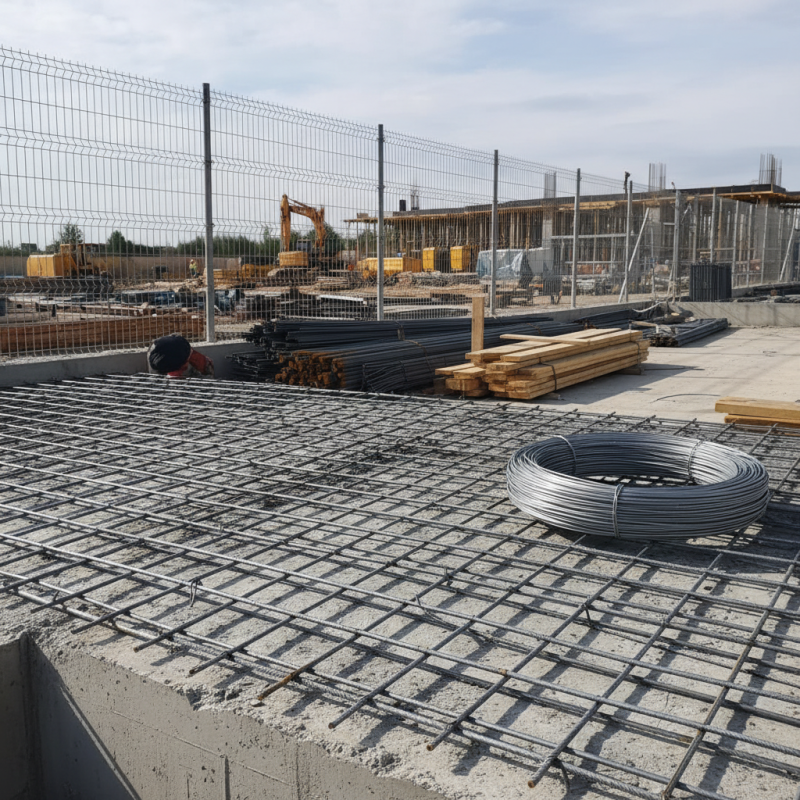
Galvanized iron wire is a type of steel wire coated with a layer of zinc. This coating protects the wire from rust and corrosion. It is known for its strength and durability. Often, it is used in fencing, binding, and construction projects. The galvanized surface helps it withstand environmental factors better than regular wire.
In construction, galvanized iron wire serves various purposes. It is commonly used for reinforcing concrete structures. The wire provides additional strength to the concrete, making it more resilient. Additionally, builders utilize it for tying rebar and holding forms in place. Its corrosion resistance makes it a reliable choice, even in humid or rainy conditions.
Tip: When selecting galvanized iron wire, consider its gauge. Thicker wires offer more strength but can be harder to work with. Also, ensure the coating is intact for optimal performance. Check for signs of wear or damage to maintain safety in your construction projects. Small oversights may lead to big issues later on. Regular inspections are essential.
Galvanized iron wire is widely used in construction due to its unique properties. One of its defining characteristics is
corrosion resistance. The galvanization process coats the iron
with zinc, creating a protective layer. This shield helps the wire withstand harsh weather, making it suitable for
outdoor applications. It can endure exposure to moisture without rusting as quickly as uncoated iron.
Another significant property is tensile strength.
Galvanized iron wire is robust, allowing it to handle heavy loads without breaking. This feature is vital in reinforcing structures.
Builders often use it for tying bricks and as support for concrete reinforcement. However, the quality of the galvanization
can vary, leading to discrepancies in performance over time. Inspecting the wire before use can prevent potential issues.
Flexibility is another aspect worth noting. While strong, galvanized iron wire can also bend well, making it easy to work
with during installation. Despite its advantages, it may sometimes lack the malleability of other materials. Builders must
balance between strength and flexibility according to project needs. This need for careful evaluation can be an area for
improvement in construction planning.
Galvanized iron wire is a material widely used in construction. Its durability and resistance to corrosion make it a popular choice. The wire is coated with zinc, which provides extra protection against rust. This feature is crucial for structures exposed to harsh weather conditions.
One key advantage of using galvanized iron wire is its strength. It can bear heavy loads, making it ideal for supporting structures. Additionally, this wire is versatile. It can be used for fencing, reinforcing concrete, and even crafting. The adaptability adds value in various construction projects.
Another benefit is its cost-effectiveness. While there may be cheaper alternatives, galvanized iron wire offers long-term savings. It reduces the need for frequent replacements and maintenance. However, some may wonder about its environmental impact. Although zinc is recyclable, it's essential to consider the entire lifecycle of the material. Balancing these factors can lead to more sustainable choices in construction.
Galvanized iron wire is a versatile material widely used in construction. Its anti-corrosive properties make it ideal for various applications. In fact, according to the Steel Wire Producers Association, the use of galvanized wire in the industry has increased by 15% over the past five years. This wire is coated with zinc, which protects it against rust and extends its lifespan.
In fencing, galvanized iron wire serves as an effective barrier. It provides safety for livestock and delineates property boundaries. Additionally, it is commonly used in concrete reinforcement. Contractors often employ it to add tensile strength to structures. A report from the American Concrete Institute indicates that using galvanized wire can reduce structural failures by up to 25%.
However, the market also faces challenges. The quality of galvanized wire varies significantly across suppliers. Not all wire meets industry standards, leading to potential weaknesses in construction. This inconsistency can encourage project delays and added costs. It's essential for builders to source high-quality materials to ensure safety and durability.
When it comes to using galvanized iron wire in construction, industry standards play a vital role. These standards ensure that the wire maintains its protective zinc coating, which prevents rusting. In construction, a robust galvanized wire must meet specific tensile strength requirements. This means it should endure heavy loads without breaking. However, not all galvanized wires are made equal. Variations in coating thickness can affect performance.
Regulations dictate that galvanized wire must undergo rigorous testing. This testing checks for corrosion resistance and durability. If a wire fails, it can compromise the integrity of a structure. Sometimes, there are lapses in quality control at production sites. This leads to inconsistencies in the wire's strength and durability. Builders need to choose suppliers carefully. Ensuring compliance with regulations can result in safer structures.
Additionally, installers must be aware of proper handling techniques. Even the best galvanized wire can suffer damage if mishandled. Bending or twisting can weaken its structure. Training for all workers is essential to maintain the wire's integrity. Ignoring these details can lead to costly repairs later. Overall, adhering to industry standards is crucial for the successful use of galvanized iron wire in construction projects.
: Galvanized iron wire is durable and resistant to corrosion. It can withstand heavy loads and is adaptable for various uses.
It is commonly used for fencing, concrete reinforcement, and crafting. Its anti-corrosive properties extend its lifespan.
Yes, it may cost more upfront but saves money in the long run due to reduced maintenance and fewer replacements.
The quality varies among suppliers. Inconsistent quality can lead to weaknesses in construction and potential project delays.
Galvanized wire must meet tensile strength requirements and undergo testing for corrosion resistance to ensure safety in construction.
Improper handling, like bending or twisting, can weaken the wire, compromising its integrity and leading to future issues.
While zinc is recyclable, evaluating the entire lifecycle of the material is crucial for sustainable construction choices.
Training ensures correct handling of galvanized wire. Ignoring this can lead to damage and costly repairs down the line.
Galvanized Iron Wire is a type of steel wire that has been coated with a layer of zinc to prevent rusting and enhance durability, making it an essential material in the construction industry. Its properties, such as high tensile strength and corrosion resistance, make it suitable for various applications, including fencing, reinforcement of concrete structures, and as support for different types of building materials.
The key advantages of using Galvanized Iron Wire include its longevity, low maintenance requirements, and the ability to withstand harsh environmental conditions. Moreover, it complies with established industry standards and regulations, ensuring it meets safety and performance criteria. This makes Galvanized Iron Wire a reliable choice for contractors and builders aiming for high-quality construction outcomes.

Sandstorm Steel