Achieving a Perfect Mirror Finish on 304 Stainless Steel How?

Time:2026-03-20 Author:Oliver
0%

Achieving a perfect mirror finish on 304 stainless steel is both an art and a science. Renowned expert John Smith, a leading metallurgist, states, "Attention to detail is crucial when polishing stainless steel." This highlights the meticulous approach required for a flawless finish.

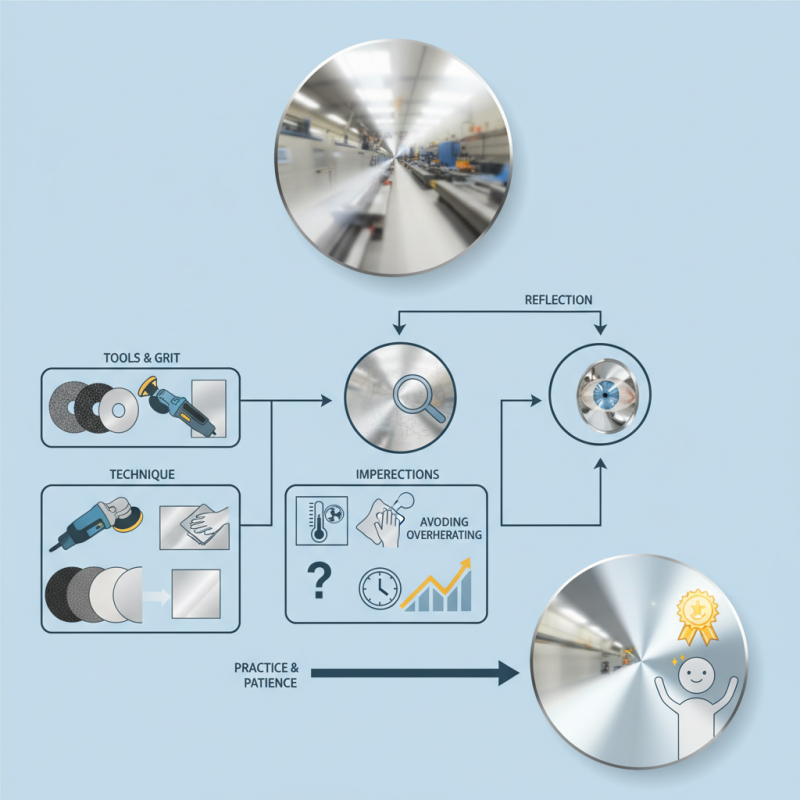
The journey begins with selecting the right tools and grit levels. It is essential to start with coarse grits and gradually move to finer ones. However, many overlook the importance of proper technique. Applying even pressure, keeping the surface clean, and avoiding overheating are vital.

Many people find themselves frustrated by imperfect results, often missing small scratches or haze. These imperfections can be subtle yet can ruin the overall appearance. Reflection is essential in this process. Each attempt teaches us something new, leading closer to that perfect shine. How to get a perfect mirror finish on 304 stainless steel? It requires practice and patience, but the rewards are well worth the effort.
Achieving a Perfect Mirror Finish on 304 Stainless Steel How?

Choosing the Right Grade of 304 Stainless Steel for Polishing

Choosing the right grade of 304 stainless steel is crucial for achieving a perfect mirror finish. This stainless steel alloy is known for its durability and corrosion resistance. However, not all 304 grades offer the same polishing potential. It's important to assess your specific needs before making a choice.

The two most common grades of 304 stainless steel are 304L and 304H. The 304L grade has a lower carbon content, allowing for better ease of polishing. In contrast, 304H is optimized for high-temperature applications but may not yield the best finish. Before deciding, think about the intended application and finish quality required.

Tips for polishing 304 stainless steel include starting with a coarse abrasive and gradually moving to finer grits. Always inspect your work regularly. If you notice scratches or imperfections, don’t hesitate to go back a step. Polishing can take time and patience. Remember, achieving a flawless finish may require multiple attempts. The right grade and technique make a big difference.

Understanding the Surface Preparation Process for 304 Stainless Steel

Achieving a perfect mirror finish on 304 stainless steel requires meticulous surface preparation. This process significantly impacts the final appearance and durability of the surface. According to the Metal Finishing Association, a high-quality finish begins with thorough cleaning. Oils, greases, and other contaminants must be eliminated to ensure effective polishing.

The grinding stage is crucial. Using appropriately graded abrasives can enhance the surface texture. For instance, starting with a 120-grit belt and progressing to 600-grit can create a smooth canvas. Inadequate grinding might leave scratches, leading to a less reflective surface. It's essential to use consistent pressure and speed during this stage. Not paying attention to these details can have lasting effects.

Polishing is where the magic happens. Utilizing buffing compounds specifically designed for stainless steel can yield remarkable results. However, flaws often arise. Improper buffing technique may cause swirl marks, undermining the mirror finish. Regular inspections during this process can help identify these issues early. Inconsistent results are common, reminding us of the need for patience and precision.

Selecting Appropriate Tools and Abrasives for a Mirror Finish

Achieving a perfect mirror finish on 304 stainless steel requires careful selection of tools and abrasives. The process begins with assessing the surface condition of the steel. If the surface has deep scratches or flaws, start with coarse abrasives. Grits from 80 to 120 can effectively remove these imperfections. It’s crucial to use the right pressure and technique throughout this stage.

Once you've established a smooth surface, transition to finer abrasives. Grits ranging from 320 to 600 help refine the finish. Rubber backing pads can provide even pressure, ensuring a uniform result. After this, polishing compounds come into play. They can enhance the sheen immensely but require practice to master.

Many enthusiasts find themselves frustrated during this process. Even with careful steps, achieving a flawless finish can be elusive. It's common to notice uneven patches or lingering scratches. Each person may face unique challenges. The key lies in patience and experimentation with various tools. Adjusting technique and pressure levels can lead to surprising improvements. Remember, perfection often takes time and persistence.

Step-by-Step Polishing Techniques for Achieving a High Gloss Finish

Achieving a high gloss finish on 304 stainless steel can be a rewarding task. Start with a coarse grit sandpaper, like 80 or 120. This step removes any surface imperfections. Move in a straight line, applying consistent pressure. It's key to keep the motion even. You may notice scratches left behind. Don't worry; that’s part of the process.

After sanding, switch to a finer grit, around 400 or 600. This stage refines the surface further. Spend time here. It might feel tedious, but patience pays off. Use a lubrication spray to reduce friction and heat. Watch for any areas that need more attention; they can ruin your final look.

Finish with a polishing compound and a soft cloth or buffer. Apply the compound evenly. Buff the surface in small sections. This will enhance the shine. If the finish isn’t perfect, try again. Keep adjusting your technique until you achieve that desirable mirror-like quality. Sometimes, imperfections can add character. Embrace the process and learn from each attempt.

Achieving a Perfect Mirror Finish on 304 Stainless Steel: Step-by-Step Polishing Techniques for Achieving a High Gloss Finish

Step Description Tools Required Expected Outcome
1 Clean the Surface Cleaning agents, cloth Surface free from contaminants
2 Grinding Angle grinder, flap discs Smooth surface without scratches
3 Sanding Sandpaper (various grits) Refined surface with reduced roughness
4 Buffing Buffing wheel, polishing compound High shiny finish
5 Final Cleaning Microfiber cloth, cleaner Clear, reflective surface

Common Challenges and Solutions in Mirror Finishing 304 Stainless Steel

Achieving a mirror finish on 304 stainless steel can be challenging. One common issue is uneven surface texture. This can occur if the initial grinding or sanding is inconsistent. Attention to technique can remedy this. Another hurdle is the presence of scratches during polishing. These can be frustrating, as they may require starting over.

Tips: Use a light touch during finishing. It helps to inspect the surface frequently. This allows for adjustments before moving on to finer grits.

Chemical treatments can also present challenges. Some may not react well with certain polishing compounds. If a product leaves residue, it can mar the finish. Experimenting to find compatible combinations is often necessary. Patience is crucial in this phase.

Tips: Test products on scrap pieces first. This saves time and material. Always maintain a clean workspace to avoid contamination. Regularly clean tools during the process to ensure consistency.

FAQS

: What factors are important when choosing 304 stainless steel for polishing?

: Consider the grade, carbon content, and your specific needs for the application.

What are the common grades of 304 stainless steel?

The two common grades are 304L and 304H. They differ in carbon content and application suitability.

Why is 304L preferred for polishing?

304L has lower carbon content, making it easier to polish and achieve a good finish.

What techniques should be used for polishing 304 stainless steel?

Start with coarse grit sandpaper, then gradually move to finer grits. Consistent motion is key.

How can I improve the polishing process?

Use lubrication spray to minimize friction. This can help avoid heat damage during polishing.

What should I do if I see scratches while polishing?

Don’t panic. Go back a step and refine the area until imperfections are minimized.

What if I don't achieve the desired finish on the first attempt?

Keep adjusting your technique. Sometimes, it takes multiple tries to reach that mirror-like quality.

Is patience necessary when polishing stainless steel?

Yes, polishing takes time and patience. Rushing can lead to mistakes and unsatisfactory results.

Can imperfections in the finish be a positive aspect?

Yes, some imperfections can add character. Learn from each attempt to improve your skills.

What are the risks of improper polishing?

Improper polishing may lead to a poor finish or damage to the stainless steel surface.

Conclusion

Achieving a perfect mirror finish on 304 stainless steel requires a systematic approach that includes selecting the right grade, understanding surface preparation, and using appropriate tools and abrasives. To start, it’s crucial to choose a high-quality grade of 304 stainless steel that can withstand the polishing process. Surface preparation is vital and involves cleaning and smoothing the surface to remove any imperfections.

Once the surface is prepared, selecting the right polishing tools and abrasives becomes essential for achieving that high gloss finish. Step-by-step polishing techniques should be employed, including using finer abrasives progressively and applying proper techniques to avoid scratches. Additionally, being aware of common challenges and their solutions can significantly aid in the process. By closely following these guidelines, anyone can learn how to get a perfect mirror finish on 304 stainless steel.

Oliver

Oliver

Oliver is a seasoned marketing professional with a wealth of expertise in driving brand awareness and engagement. With a deep understanding of our company's product offerings, he consistently delivers high-quality content that enriches our professional blog. His insights not only shed light on......